
Fig Recipes
Fresh figs have a short season and bruise easily, so they're best used simply, with cheese, honey, or a quick roast, rather than long cooking that breaks down their delicate flesh. A ripe fig should feel slightly soft and give at the neck near the stem; a firm fig will ripen a little at room temperature but never gets sweeter once picked. Dried figs work year-round in baking and preserves, where their concentrated sugar and chew hold up to real cooking. These are the fig recipes worth making with either.

Fig and Prosciutto Flatbread
Fresh figs, salty prosciutto, and melted gorgonzola over a crisp flatbread.
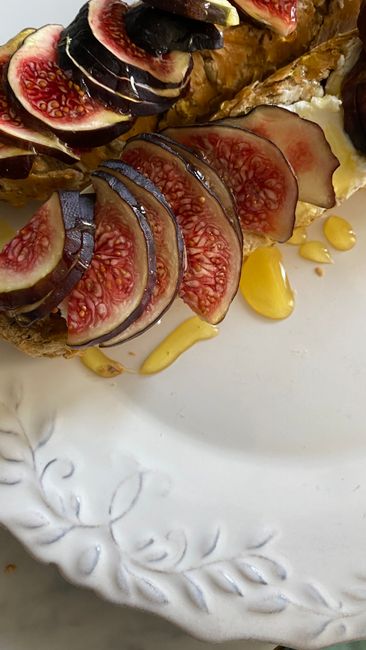
Honey-Roasted Figs
Fresh figs halved and roasted with honey until caramelized, served with yogurt or ice cream.
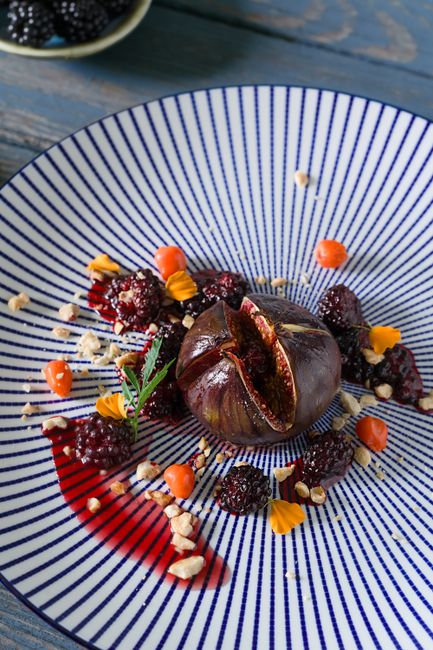
Fig Jam
A simple preserve made from fresh or dried figs, sugar, and lemon.
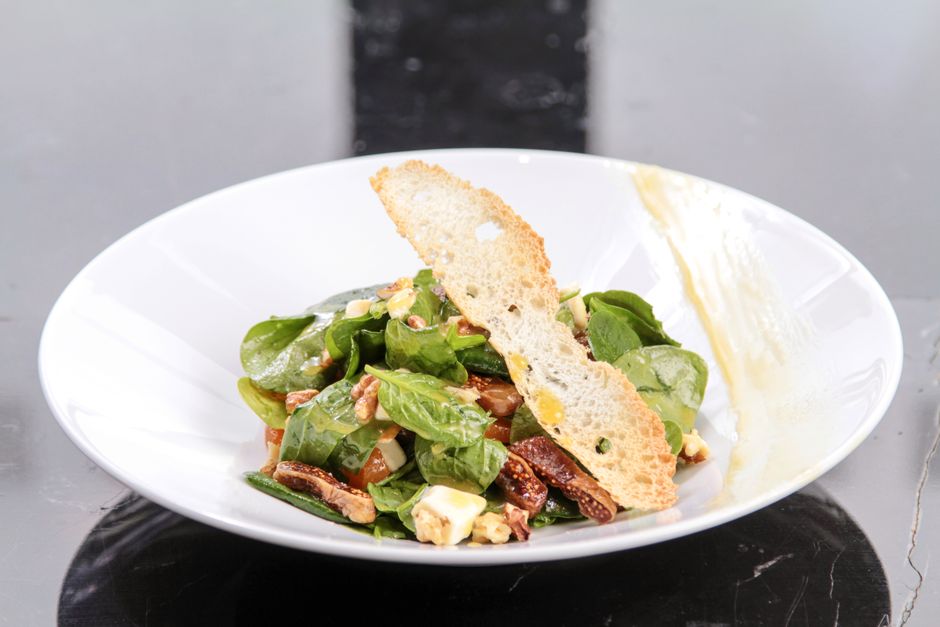
Fig and Goat Cheese Salad
Fresh figs, creamy goat cheese, and arugula with a balsamic drizzle.

Baked Brie with Fig Jam and Walnuts
A short, hot bake softens the interior of the brie into a molten center while the rind still holds its shape enough to spoon into, and the fig jam's sweetness balances the cheese's tang without needing a long ingredient list.

Fig Jam and Brie Puff Pastry Bites Recipe
Fig jam's concentrated sweetness balances the richness of melted brie, and wrapping both in puff pastry traps the cheese as it goes molten instead of spreading out flat on the pan.
FAQ
How do I tell when a fresh fig is ripe?
A ripe fig gives slightly to gentle pressure and often shows a small split or bead of syrup near the stem end. Firm, unyielding figs won't ripen much further once picked.
Can I substitute dried figs for fresh in these recipes?
For jam and baking, yes, rehydrate dried figs in warm water for 15-20 minutes first. For recipes that showcase fresh fig's texture (salads, roasted whole), dried figs are a poor substitute.
How do you know when a fig is ripe?
A ripe fig gives slightly when pressed near the stem and may show a small split in the skin; a hard fig is underripe and won't sweeten further once picked.
Can I substitute dried figs for fresh in a recipe?
Only in cooked applications like jam or baking, and not 1:1, since dried figs are much sweeter and denser; rehydrate them in warm water or juice first if a recipe calls for fresh.