
Rutabaga Recipes
Rutabaga is denser and sweeter than turnip, with a thick waxed skin that needs a sharp knife rather than a peeler. Its firm flesh holds up well to long roasting and simmering, and it takes on a custardy texture once mashed or pureed.

Mashed Rutabaga
Boiled rutabaga mashed with butter and a little cream, a lower-carb stand-in for mashed potatoes.
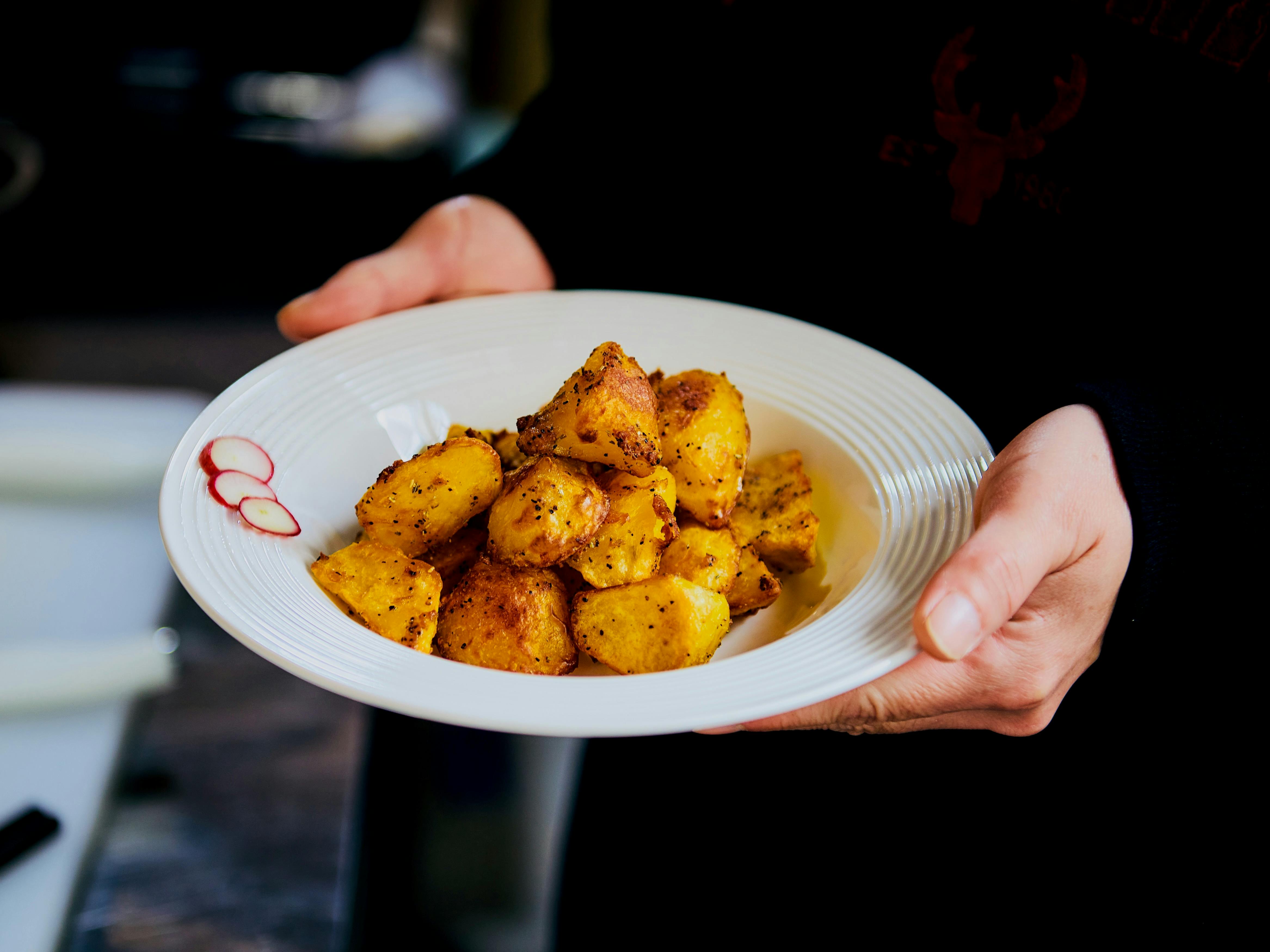
Roasted Rutabaga Cubes
Rutabaga chunks roasted at high heat until the edges caramelize and the centers turn soft and sweet.
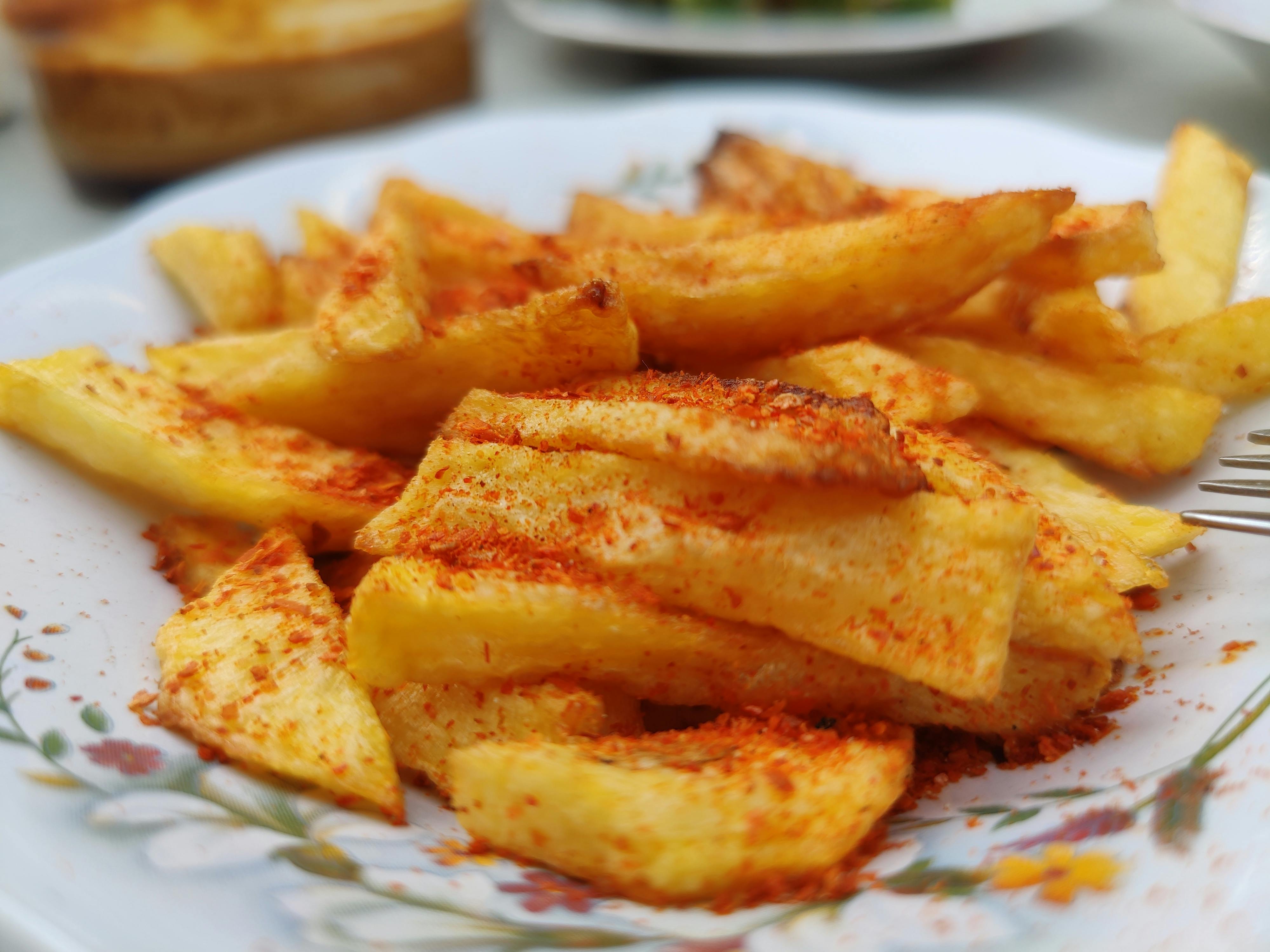
Rutabaga Fries
Rutabaga cut into batons and roasted until crisp outside and tender inside, a sturdier alternative to potato fries.
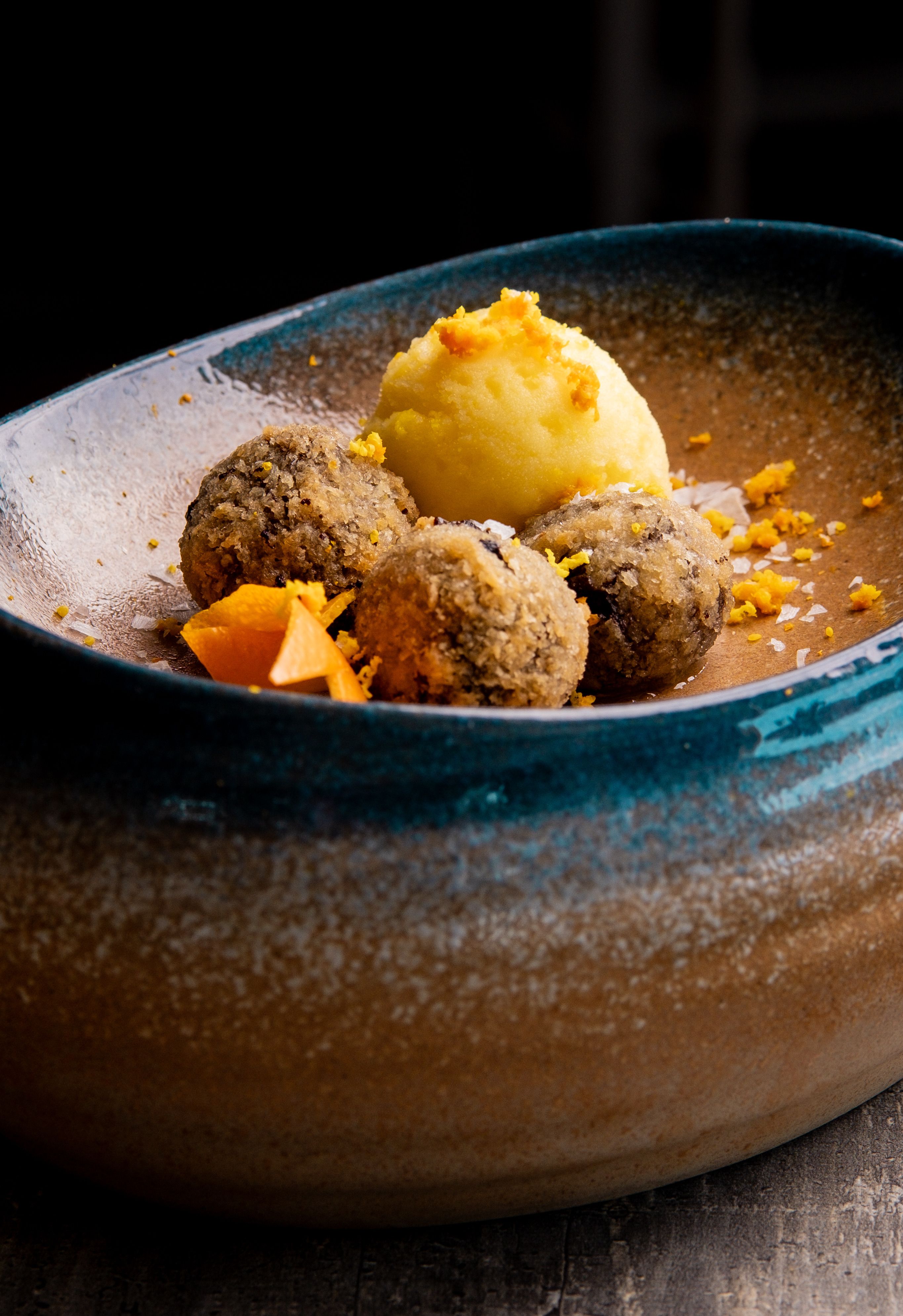
Neeps and Tatties
Buttery mashed rutabaga and mashed potatoes served side by side, the traditional pairing for Burns Night haggis.
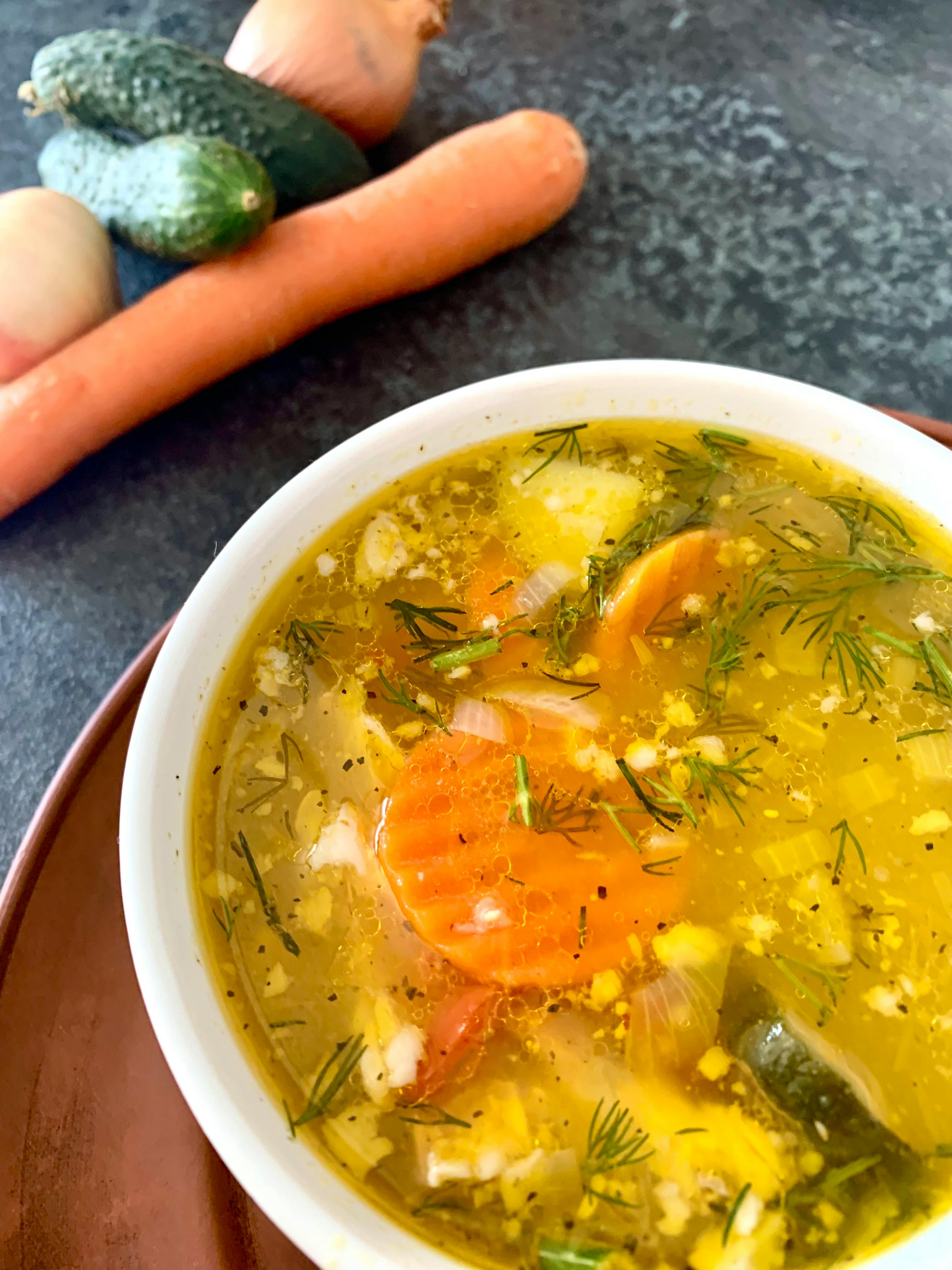
Rutabaga and Root Vegetable Soup
Rutabaga simmered with carrots, potato, and onion, then blended into a smooth, warming soup.
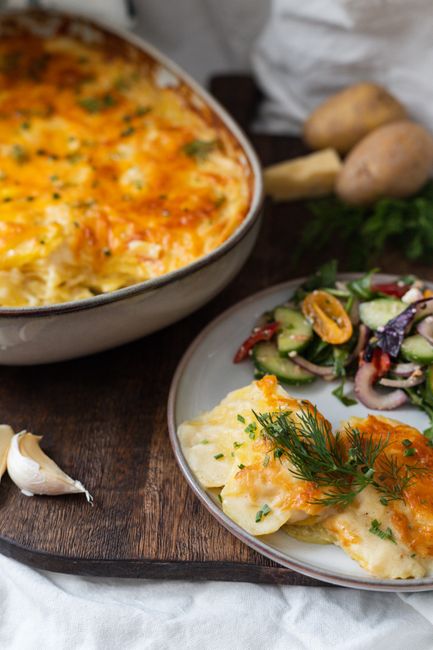
Rutabaga Gratin
Thin rutabaga slices layered with cream, garlic, and cheese, then baked until bubbling and browned on top.
FAQ
What does rutabaga taste like?
It's sweeter and less peppery than turnip, with an earthy flavor closer to a cross between cabbage and carrot once cooked.
What's the difference between rutabaga and turnip?
Rutabaga is larger, denser, and has a purple-tinged top with yellowish flesh, while turnip is smaller with white flesh and a sharper, more peppery bite. Rutabaga is actually a cross between turnip and cabbage.
Do you need to peel rutabaga?
Yes, the skin is coated in a thick wax layer applied for storage and is too tough to eat, so it needs to be cut away with a knife rather than a vegetable peeler.
Can rutabaga be eaten raw?
Yes, thinly sliced or grated raw rutabaga works well in slaws, though its texture is much denser and starchier than raw carrot or radish.
How long does rutabaga take to cook?
Cubed rutabaga simmers until fork-tender in about 20-25 minutes, and roasted cubes at 425°F usually take 35-40 minutes because of the vegetable's density.