
Turnip Recipes
Turnips are often overlooked next to potatoes, but they roast and mash just as well with a sharper, slightly peppery edge that mellows with cooking. Smaller, younger turnips have thin enough skin to leave on; larger ones benefit from peeling since the skin toughens with size. These recipes make the case for keeping turnips in rotation instead of treating them as a soup-only vegetable.
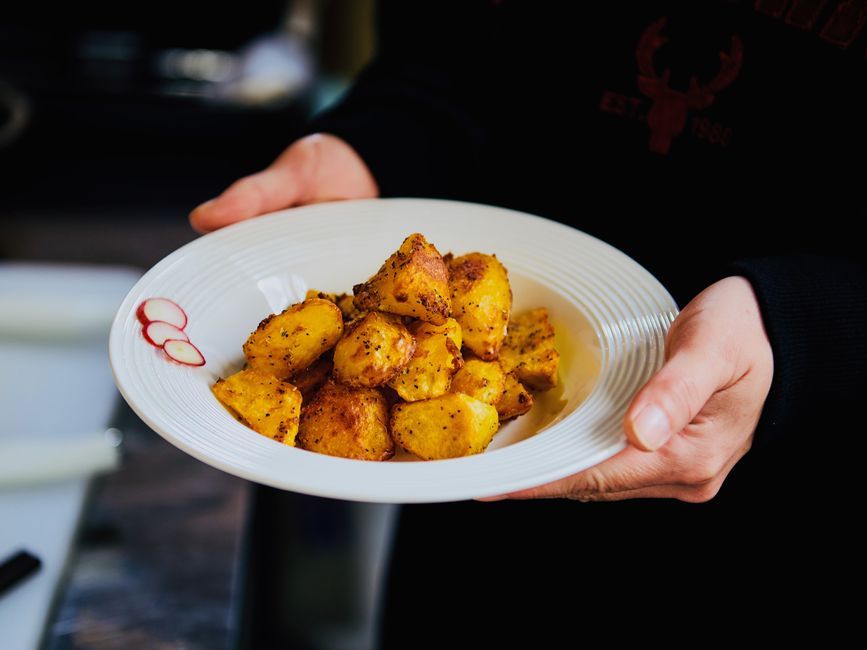
Roasted Turnips
Cubed turnips roasted until caramelized at the edges and tender inside.

Mashed Turnips
A lighter, slightly peppery alternative to mashed potatoes.
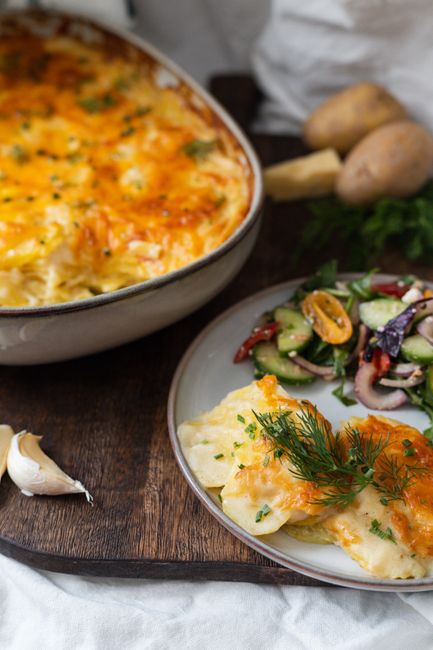
Turnip and Potato Gratin
Thinly sliced turnips layered with potatoes in a creamy baked gratin.
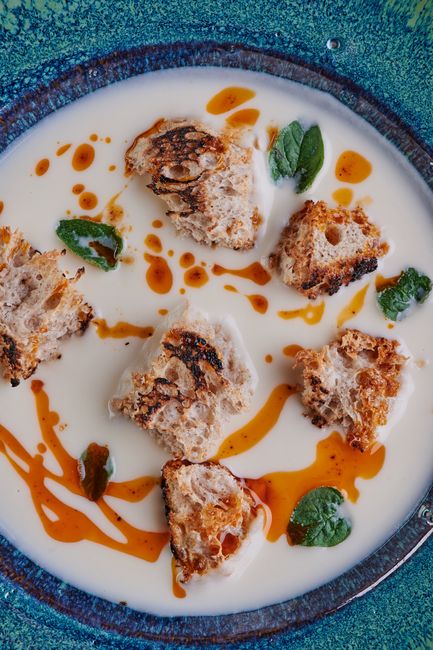
Turnip Soup
A simple, creamy pureed soup built on turnips and a light broth base.
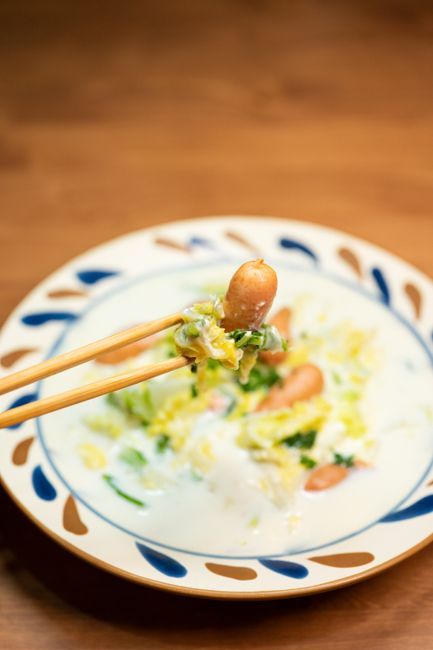
Swamp Soup Recipe
Searing the andouille first builds a smoky fat base that seasons the whole pot, and adding the tougher collard greens before the more delicate turnip greens and kale means everything finishes tender at the same time instead of turning to mush or staying fibrous.
FAQ
Do I need to peel turnips before cooking?
For young, small turnips, the skin is thin enough to leave on. Larger, older turnips have a tougher skin that's worth peeling for a better texture.
What's the difference between a turnip and a rutabaga?
Turnips are smaller with white-and-purple skin and a sharper flavor; rutabagas are larger, denser, sweeter, and have yellowish flesh. They're related but distinct root vegetables, not the same thing under two names.
Can turnips be eaten raw?
Yes, small young turnips can be sliced thin and eaten raw in salads or with a dip, similar to radishes, though the flavor is sharper and milder turnips are the better choice for this.
How do you keep mashed turnips from being watery?
Turnips hold more water than potatoes, so drain them well after boiling and let them sit uncovered for a minute or two before mashing to let excess steam escape.
