
Venison Recipes
Venison is much leaner than beef, which means it dries out and turns tough far more easily if treated like a fatty ribeye, there's very little intramuscular fat to buffer overcooking. Steaks and backstrap benefit from high heat and a short cook to medium-rare at most, while tougher cuts like the shoulder need low, slow, moist cooking to break down connective tissue instead. These recipes are built around that difference rather than ignoring it.
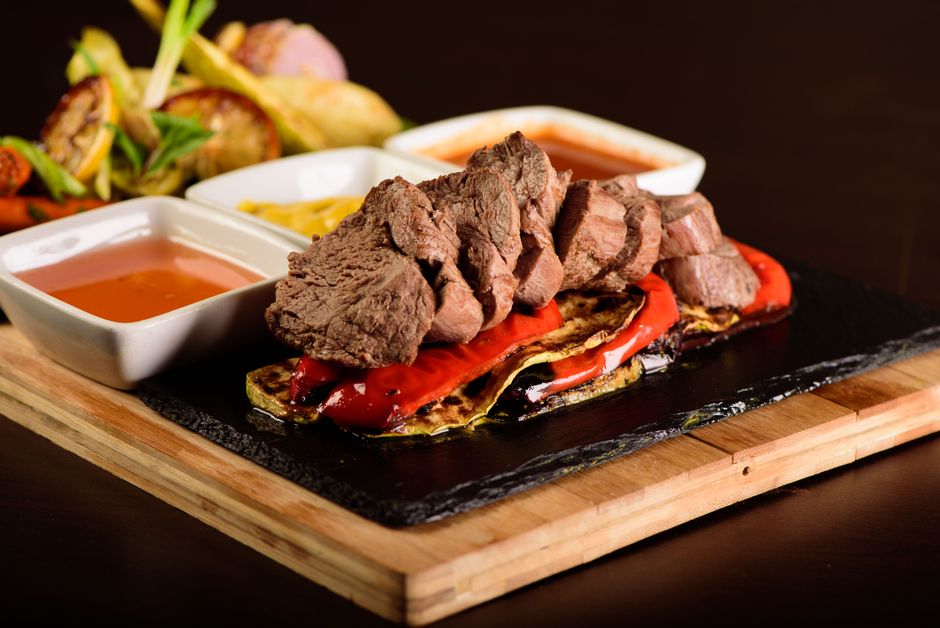
Pan-Seared Venison Backstrap
Quick-seared venison loin, cooked no further than medium-rare to stay tender.

Venison Chili
Ground venison chili, simmered long enough to stay tender despite its low fat content.

Braised Venison Shoulder
A tougher cut slow-braised in red wine and stock until fall-apart tender.

Venison Burgers
Ground venison mixed with a little added fat (bacon or butter) to keep the patties juicy.
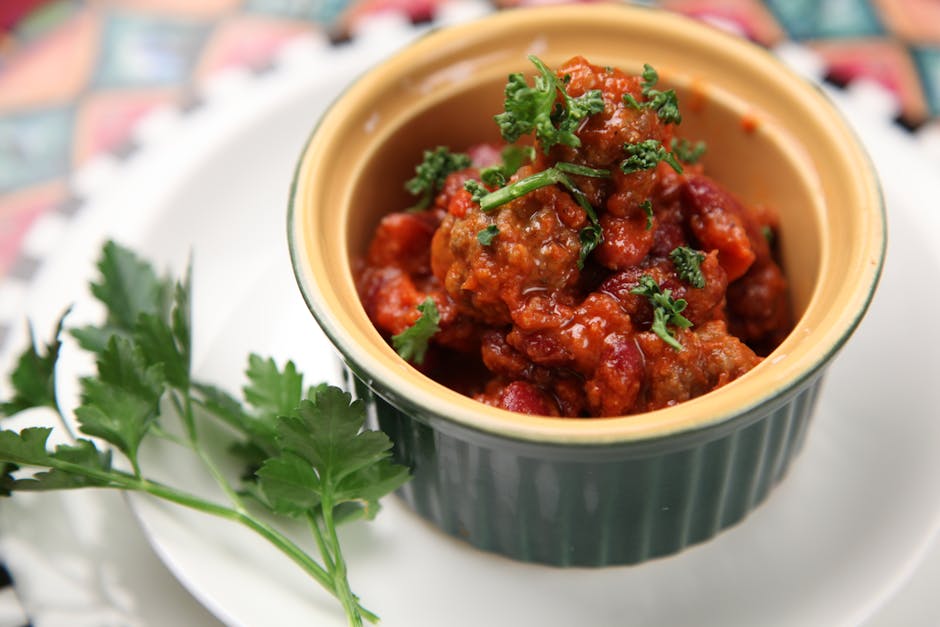
Ground Venison Chili Recipe
Ground venison has almost no fat of its own, so rendering chopped bacon first and browning the meat in that fat keeps the chili from tasting dry or gamey.
FAQ
Why does venison taste gamey, and can that be reduced?
Some of the flavor comes from the animal's diet and age, but a lot of "gamey" taste actually comes from poor field dressing or overcooking. Trimming silverskin and connective tissue thoroughly, and not overcooking lean cuts, both meaningfully reduce it.
Why does venison need to be cooked differently than beef?
It has much less intramuscular fat than beef, so lean cuts (backstrap, tenderloin) dry out and toughen quickly past medium-rare, while tougher cuts (shoulder, shank) still need low, slow, moist cooking to break down connective tissue, the same logic as beef, just less margin for error on the lean cuts.
Why does venison taste gamey, and can that be reduced?
Some of that flavor comes from the animal's diet and age, but a lot of what's blamed on 'gamey' taste is actually from fat or sinew left on the meat; trimming venison well and not overcooking it reduces both.
Can venison be substituted for beef in any recipe?
In most, yes, but reduce cook time and heat slightly since venison has far less fat to protect it from drying out, and consider adding a little extra fat (butter, bacon, or oil) in recipes like burgers or meatballs.