
How to Defrost Ground Beef
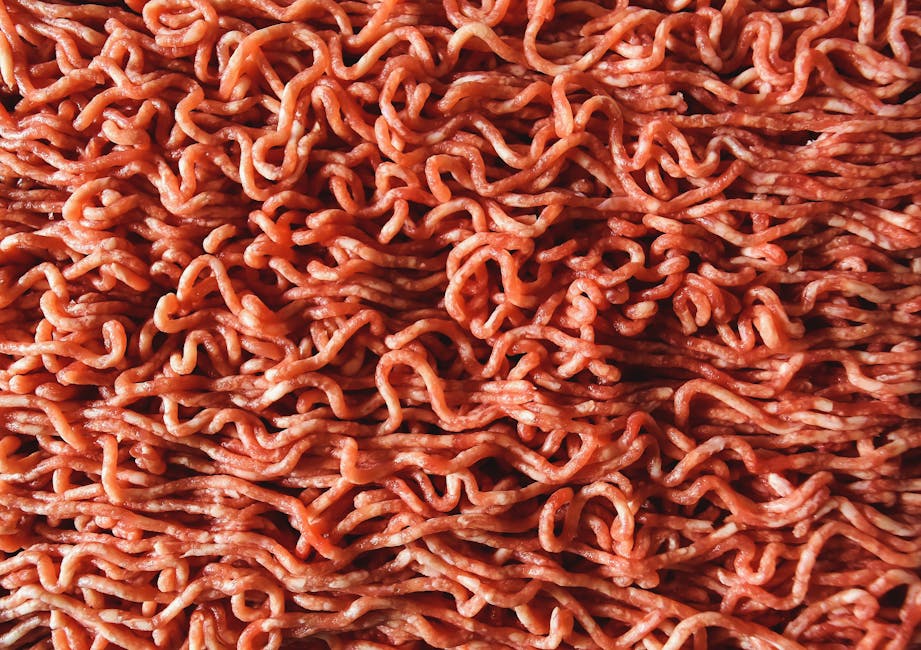
Ground beef's high surface area makes it thaw faster than a whole roast, but that same surface area also means it hits the bacterial danger zone quickly if left out or thawed carelessly. The method matters as much as the time.
Steps
- 1For the safest method, move the ground beef from the freezer to a plate or shallow dish and thaw it in the refrigerator, allowing about 24 hours per pound.
- 2If time is short, seal the beef in a leak-proof bag (or keep it in its original vacuum-sealed packaging) and submerge it in a bowl of cold tap water.
- 3Change the water every 30 minutes to keep it cold, since the beef will warm the water as it sits.
- 4A 1-pound package thaws in about 1 hour using the cold water method; larger amounts take longer.
- 5For same-hour thawing, use the microwave's defrost setting in 2-minute bursts, breaking apart and flipping the beef between bursts so it thaws evenly.
- 6Cook ground beef immediately after microwave defrosting, since parts of it will start to cook during the process and can't be safely refrozen raw.
Common mistakes
- Thawing on the counter at room temperature: the outer layer can sit above 40°F (4°C) for hours while the center is still frozen, giving bacteria time to multiply.
- Leaving the cold water bath still: without changing the water, it warms up and stops thawing efficiently, and can climb into unsafe temperatures.
- Refreezing beef that was microwave-thawed without cooking it first: partially cooked edges make it unsafe to refreeze raw.
- Thawing in a bag that isn't fully sealed: water can seep in and dilute the meat, or bacteria from the sink can get in through a torn seam.
Equipment
- Large bowl
- Leak-proof zip-top bag (if not already vacuum-sealed)
- Plate or shallow dish (for refrigerator thawing)
- Microwave with defrost setting
FAQ
Can I cook ground beef straight from frozen?
Yes, though it takes about 50% longer to cook through and browns less evenly since the outside cooks before the center thaws. It works best for dishes like chili or soup where the beef simmers for a while anyway.
How long can thawed ground beef sit in the refrigerator before cooking?
1 to 2 days. After that, bacterial growth increases even at safe refrigerator temperatures, and the texture starts to break down.
Is it safe to refreeze ground beef after thawing?
Only if it was thawed in the refrigerator and never left above 40°F (4°C). Beef thawed in cold water or the microwave should be cooked before refreezing.
Why does ground beef thaw faster than a steak of the same weight?
Ground beef is broken into small particles with far more surface area exposed to the air or water, so heat (or cold) transfers through it much faster than through a solid cut.
Need exact temperatures or timing? Check our Time & Temperature Guide →