How to Keep Avocados from Browning
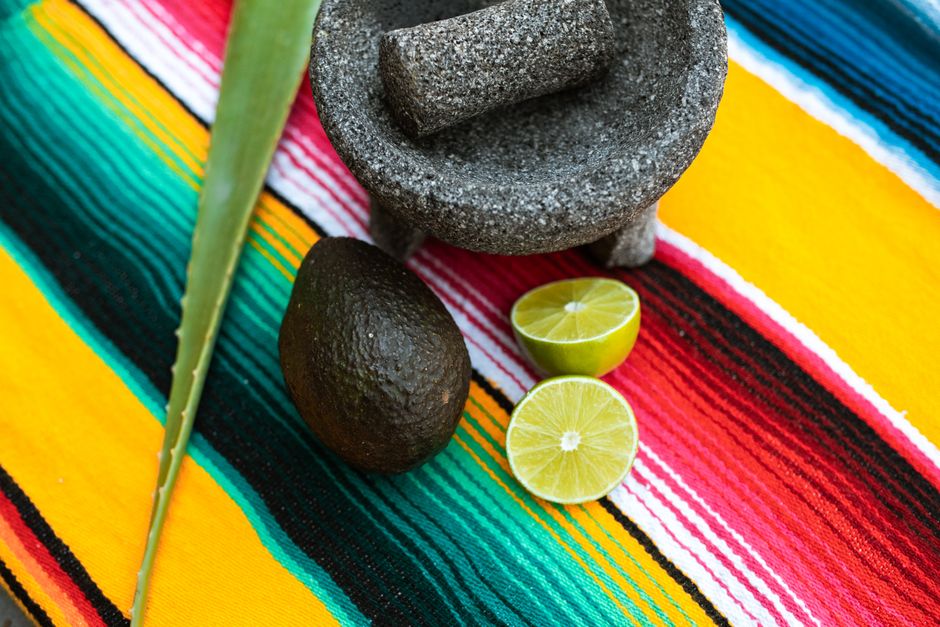
Avocado flesh turns brown because enzymes inside it react with oxygen the moment it's cut, a process called enzymatic browning. The fix isn't a special ingredient, it's cutting off the avocado's contact with air as completely as possible, with acid as a secondary line of defense.
Steps
- 1Leave the pit in whichever half you're storing, it physically blocks oxygen from reaching the flesh underneath it.
- 2Brush or rub the cut surface with lime or lemon juice; the citric acid slows the enzyme reaction that causes browning.
- 3Press plastic wrap directly onto the surface of the avocado flesh so no air pocket sits between the wrap and the fruit.
- 4Store the wrapped avocado in an airtight container in the refrigerator rather than just on the counter.
- 5If storing mashed or sliced avocado, submerge it in water in a sealed container instead of wrapping it; the water layer seals out air more completely than wrap alone.
- 6Use the avocado within 1-2 days for best color and flavor, even with these steps.
Common mistakes
- Removing the pit from both halves: keeping it in the half you're saving blocks oxygen over a real portion of the surface.
- Wrapping loosely: any air gap trapped between the wrap and the flesh will still brown in that spot within hours.
- Relying on onion alone: storing avocado next to a cut onion is a common tip, but it does far less than direct acid contact or a water seal.
- Storing cut avocado at room temperature: cold slows the enzymatic reaction, so refrigeration always outperforms counter storage.
Equipment
- Plastic wrap
- Airtight container
- Citrus (lime or lemon)
FAQ
Does lemon or lime juice actually stop browning, or just mask it?
It genuinely slows browning because the acid lowers the pH at the surface, which slows down the enzyme (polyphenol oxidase) responsible for the reaction. It doesn't stop it permanently, just delays it by roughly a day.
Is the brown part of an avocado safe to eat?
Yes, browning is a cosmetic oxidation reaction, not spoilage. If the flesh underneath is still firm and doesn't smell off, scrape off the browned layer and eat the rest.
Does storing avocado in water really work better than plastic wrap?
For mashed or sliced avocado, yes, because water forms a continuous seal with no air pockets, while plastic wrap often leaves small gaps that brown first.
Why did my avocado turn brown even with the pit left in?
The pit only shields the flesh directly underneath it; the exposed rim around the pit and the rest of the cut surface still need acid and a tight wrap or airtight container to stay green.
Need exact temperatures or timing? Check our Time & Temperature Guide →