
Bavette Steak
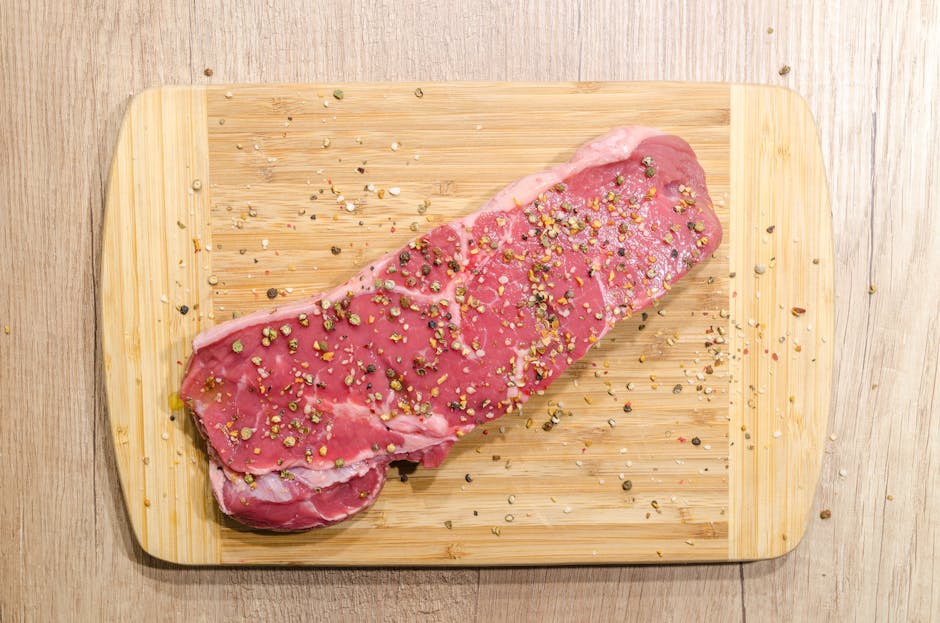
Bavette is a French butchery term for the flank steak's cousin cut, taken from the bottom sirloin/flank area of the cow. It's long, flat, and loosely grained with visible marbling running in one direction, which gives it more flavor and a slightly more tender bite than true flank steak. It's popular in French and British cooking (sometimes called 'bavette d'aloyau') and has become a common menu item at steakhouses under names like 'sirloin flap' or simply 'bavette.'
Varieties
Bavette and flank steak come from adjacent muscles and are frequently confused or sold interchangeably by butchers. True bavette (from the bottom sirloin) has a looser grain and slightly more fat marbling than flank steak, which comes from the abdominal muscles and is leaner and flatter.
Buying tips
Look for a deep red color with visible white marbling running through it, not just fat at the edges. Bavette is often sold thinner at one end than the other; if the recipe calls for even cooking, ask the butcher to trim it to a more consistent thickness or cook the thicker portion a bit longer.
Substitutes
Flank steak — 1:1
Leaner and slightly more fibrous than bavette, but cooks the same way and slices against the grain the same way.
Skirt steak — 1:1
Thinner and more intensely marbled; cooks faster, so shave a minute or two off the sear time per side.
Hanger steak — 1:1
Richer, beefier flavor and very tender; often costs more per pound but works in any recipe calling for bavette.
Tri-tip — 1:1
Thicker and more uniform in shape, so it needs a longer cook time and benefits from reverse-searing rather than a quick pan sear.
Sirloin flap steak — 1:1
This is often the same primal cut sold under a different name; check the package description before treating it as a true substitute.
Storage
Keep raw bavette in its original packaging or wrapped tightly in butcher paper in the coldest part of the refrigerator, and use within 3 to 4 days. For longer storage, freeze wrapped in plastic and then foil for up to 4 months; thaw overnight in the refrigerator before cooking.
How to use
Best cooked hot and fast, seared 2 to 3 minutes per side in a screaming-hot cast iron pan or on a grill, then rested for 5 minutes before slicing. Always slice thinly against the grain, since the grain runs the long way and cutting with it makes the meat noticeably chewier. Works well marinated for a few hours before cooking, marinated in soy, garlic, and citrus for steak tacos, or served simply with chimichurri or a compound herb butter.
What it pairs with
Pairs well with acidic, herb-forward sauces like chimichurri or salsa verde, roasted potatoes, grilled peppers, and a bold red wine like Malbec or Cabernet Sauvignon.
Nutrition
A 4-ounce cooked portion delivers roughly 25 to 28 grams of protein and around 15 grams of fat, along with iron and zinc typical of beef cuts from the sirloin and flank region.
FAQ
Is bavette steak the same as flank steak?
No, though they're often mistaken for each other. Bavette comes from the bottom sirloin area and has a looser grain with more marbling; flank steak comes from the abdominal muscles and is leaner and flatter.
Why is my bavette steak tough?
It's almost always a slicing problem, not a cooking problem. Bavette has a long, visible grain, and slicing with it instead of against it makes every bite noticeably chewier.
How long should bavette steak marinate?
Two to four hours is enough to add flavor without breaking down the texture too much; marinating overnight can make the surface mushy since bavette is already fairly tender.
What temperature should bavette steak be cooked to?
Pull it at 125 to 130°F for medium-rare, since it's a thin cut that continues cooking during the rest and can overshoot to medium quickly.
Have bavette steak on hand? Find recipes with our Recipe Generator →