
Best Cookbooks
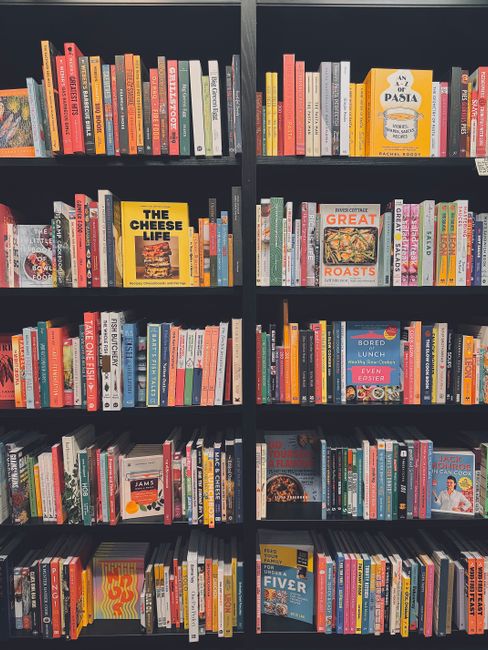
A good cookbook is judged by how often it gets pulled off the shelf, not by how it photographs. The best ones combine recipes that are rigorously tested (meaning they work the first time, as written, in a home kitchen), headnotes that explain why a technique matters rather than just listing steps, and a clear point of view, whether that's a single cuisine, a single technique like baking, or a specific approach to weeknight cooking.
Varieties
Comprehensive reference cookbooks (broad technique guides covering everything from stocks to roasting) function as a foundational library and are meant to be returned to for decades. Single-subject cookbooks (bread, grilling, pasta) go deeper into one category and assume some baseline kitchen comfort already. Regional or cultural cookbooks focus on a specific cuisine's techniques and pantry, often written by cooks with direct heritage or years of study in that cuisine. Chef memoirs with recipes lean toward storytelling and restaurant-style dishes, and are usually less practical for regular weeknight cooking than the other three categories.
Buying tips
Flip to a recipe for a dish already familiar and see whether the instructions match known technique and timing; if a stated cook time or oven temperature looks off, other recipes in the book are worth double-checking too. Favor books where every recipe has a photo or at least a clear yield and serving size listed. Look up the author's background for the cuisine or category the book covers, since authenticity and testing rigor tend to track with direct experience rather than general food writing credentials.
Substitutes
Vetted food blogs with a consistent track record — N/A
Free and searchable by ingredient, but quality varies wildly between sites and recipes aren't always retested after publishing.
Recipe organizing apps (Paprika, Mela, Crouton) — N/A
Good for saving and scaling recipes from multiple sources, but they don't provide the editorial voice or troubleshooting a cookbook author includes.
Library cookbook borrowing — N/A
A practical way to try a cookbook's recipes for a few weeks before deciding whether to buy a copy to keep.
Culinary class handouts or course notes — N/A
Often stronger on technique explanation than a general cookbook, but narrower in recipe range.
Storage
Keep cookbooks out of direct sunlight, which fades covers and yellows pages over time. Slip a sheet of wax paper or a clear page protector over the recipe in use to catch splatters, and use a book stand or a stack of cans to prop the book open on the counter instead of cracking the spine flat, which loosens bindings after repeated use. For ebooks or PDFs, keep a backup copy outside the reading app itself in case the app is discontinued or the account is lost.
How to use
Cookbooks work best as a source for building a repertoire rather than a one-time reference. Read through a full chapter before cooking from it to catch an author's general techniques and pantry assumptions, since many recipes reference methods explained earlier in the book. Bookmark or tab the five or six recipes that actually get repeated, since most home cooks return to a small fraction of any cookbook's total recipes long-term.
What it pairs with
A beginner-focused technique cookbook pairs well with a basic digital kitchen scale and an instant-read thermometer, since many of its recipes rely on precise measurements. A baking-specific cookbook is far more useful alongside a scale that measures in grams, since volume measurements for flour vary too much between cooks. A regional or cultural cookbook is worth pairing with a short shopping list of its specific pantry staples (a particular chili paste, vinegar, or spice blend) sourced before starting, since substitutions can change the dish significantly.
Nutrition
Some cookbooks, especially those focused on health, sports performance, or specific diets, include a full nutrition breakdown per serving. General or narrative-driven cookbooks usually omit this, so anyone tracking calories or macros closely should check for a nutrition appendix before assuming it's included.
FAQ
How many cookbooks does a home cook actually need?
Most home cooks get consistent use out of three to five: one broad technique reference, one or two focused on a favorite cuisine or category, and one for baking, since baking recipes rely on ratios that don't transfer well from general cooking references.
Are more expensive cookbooks better?
Price mostly reflects production quality (paper stock, photography, hardcover binding) rather than recipe reliability. Some of the most consistently useful cookbooks are inexpensive paperbacks with modest photography but heavily tested recipes.
Is it worth buying a cookbook if the same recipes are online for free?
Often the author's own site or social media only posts a fraction of a book's recipes, and free versions online are sometimes reader-submitted variations rather than the tested original, so the book version can differ in accuracy.
Should a cookbook be chosen based on the number of recipes it includes?
No. A book with 60 well-tested, frequently useful recipes is generally worth more in practice than one with 300 recipes of inconsistent reliability, since most cooks only return to a small core set regularly.
Have best cookbooks on hand? Find recipes with our Recipe Generator →