
Blackened Shrimp
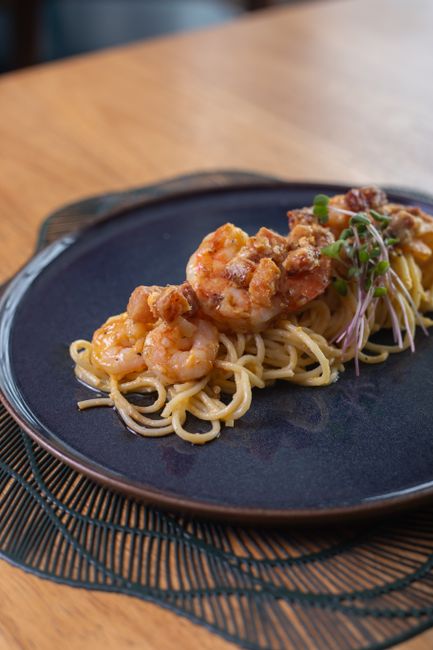
Blackened shrimp is peeled shrimp coated in a bold spice rub (typically paprika, cayenne, garlic powder, onion powder, thyme, oregano, and black pepper) and seared in a screaming-hot skillet, usually with butter, until the spices form a dark, almost charred crust. The technique was popularized by Chef Paul Prudhomme in Louisiana in the 1980s and works because the high smoke point of clarified butter or oil lets the spice coating scorch and caramelize in under 3 minutes without the shrimp itself overcooking.
Varieties
Blackening blends vary by cook and region: Cajun-style rubs lean heavier on cayenne and paprika for more heat, while Creole-style versions add more dried herbs like thyme and oregano for a rounder, less fiery flavor. Neither is a different shrimp variety, just a different spice ratio applied to the same technique.
Buying tips
Buy raw, peeled, and deveined shrimp labeled 16/20 or 21/25 count per pound; smaller shrimp overcook before the crust can develop. Previously frozen shrimp works fine, but thaw it fully and pat it very dry with paper towels first, since surface moisture steams the spice coating instead of letting it char.
Substitutes
Blackened chicken breast, thinly sliced — 1:1 by weight
Coat sliced chicken cutlets in the same spice blend and sear; needs closer to 4-5 minutes per side since chicken is thicker and must reach 165°F.
Blackened tilapia or catfish fillets — 1:1 by weight
Milder, flakier substitute that takes the spice crust well; handle gently when flipping since fillets break apart more easily than shrimp.
Blackened salmon fillet — 1:1 by weight
Richer and higher in fat, holds up well to the heavy spice crust; good in bowls or salads where a fattier protein balances lean vegetables.
Blackened extra-firm tofu, pressed and sliced — 1:1 by weight
Press tofu for at least 20 minutes before coating so the spice crust sticks and sears instead of steaming off in released water.
Storage
Cooked blackened shrimp keeps in an airtight container in the refrigerator for 3-4 days. Freeze cooked shrimp in a single layer, then transfer to a bag, for up to 2 months; texture turns slightly rubbery after thawing, so it's best folded into pasta or grits rather than eaten plain. Raw shrimp coated in the spice rub can sit in the fridge for a few hours before cooking, but any longer and the salt in the rub starts pulling moisture out and toughening the shrimp.
How to use
Serve over cheesy grits or dirty rice, tucked into tacos or a po'boy, tossed with pasta and a squeeze of lemon, or on top of a Caesar or Cobb-style salad. Because the exterior is intensely seasoned, blackened shrimp works best paired with something mild and creamy underneath rather than another heavily spiced element.
What it pairs with
Pairs well with cooling, creamy sides like avocado, lime crema, or coleslaw that offset the heat, and with starchy bases like grits, rice, or mashed potatoes that soak up the spiced butter left in the pan.
Nutrition
Shrimp itself is very lean, around 24 grams of protein and under 2 grams of fat per 4-ounce cooked serving. Blackening adds calories and fat mainly from the butter or oil used to sear it, and the spice rub (especially if it contains added salt) can push sodium well above plain steamed or grilled shrimp.
FAQ
Why does blackened shrimp look burnt but not taste burnt?
The dark color comes from the paprika and other spices caramelizing and lightly charring in the extremely hot fat, not from the shrimp itself burning. As long as the skillet isn't smoking excessively and the shrimp only cooks 2-3 minutes total, the crust is toasted rather than bitter.
Do I need a cast iron skillet to blacken shrimp?
Cast iron holds and distributes high heat best, which is why it's traditional, but any heavy-bottomed stainless steel skillet works if it's preheated until nearly smoking. Turn on a range hood or open a window, since the technique produces a noticeable amount of smoke.
Is blackened shrimp always very spicy?
Heat level depends on how much cayenne is in the rub. Cutting the cayenne in half and adding a bit more paprika keeps the color and char while making the dish much milder.
How long does blackened shrimp actually take to cook?
About 1.5 to 2 minutes per side in a very hot pan. Shrimp cook fast and turn rubbery quickly, so they should be pulled from the heat as soon as they turn opaque and curl into a loose C shape.
Have blackened shrimp on hand? Find recipes with our Recipe Generator →