
Blood Sausage
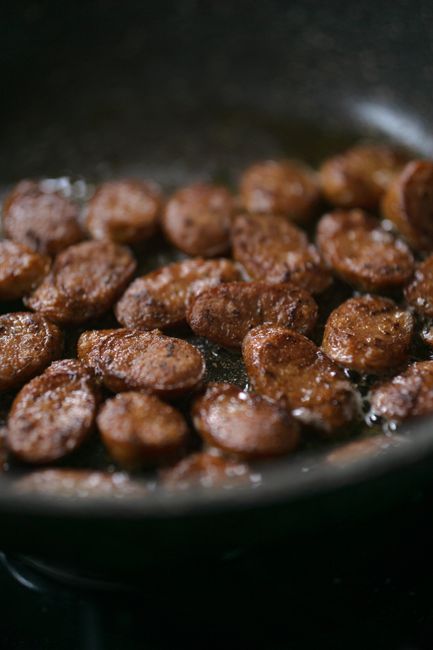
Blood sausage is made by combining animal blood (most often pork or beef) with fat and a starchy filler such as oats, barley, rice, or bread, then stuffing the mixture into a casing and cooking it through simmering, steaming, or baking. The blood thickens as it cooks, giving the sausage its dense, almost custardy interior and near-black color. Texture varies widely by region and recipe, from soft and spreadable to firm enough to slice and fry.
Varieties
Black pudding (UK and Ireland) typically uses oats or barley and has a firmer, sliceable texture. Boudin noir (France) is softer and often includes cream and onions, meant to be spread or gently pan-fried rather than crisped hard. Morcilla (Spain) uses rice and is more crumbly, with some regional versions adding sweet spices like cinnamon. Blutwurst (Germany) tends to be chunkier, with visible pieces of fat throughout.
Buying tips
Ask a butcher whether the sausage is pre-cooked (ready to reheat) or raw (needs full cooking), since preparation differs. Look at the casing, natural casings hold together better when pan-frying sliced rounds, and check the filler listed on the label if avoiding gluten, since some use rice or corn instead of oats or bread.
Substitutes
Black pudding — 1:1
Essentially the same product under a different regional name (UK and Ireland); swap directly with no adjustment.
Boudin noir (French blood sausage) — 1:1
Softer and creamier, often flavored with onions and cream; melts more when pan-fried so reduce cooking time slightly.
Morcilla (Spanish blood sausage) — 1:1
Rice-based filler gives a looser, more crumbly texture and a mild sweetness from onions or occasionally cinnamon.
Liverwurst or braunschweiger — 3/4:1
No blood, so the flavor is milder and less mineral-forward, but the spreadable texture works in similar breakfast or pâté-style dishes.
Sautéed mushroom and walnut sausage with beet juice — 1:1
A vegetarian workaround for color and crumble texture only; it will not replicate the iron-rich, mineral flavor of real blood sausage.
Storage
Fresh blood sausage keeps refrigerated for 3 to 5 days once opened; check the package date since some varieties are sold pre-cooked and others raw. Freeze whole, unsliced links for up to 3 months, wrapped tightly to prevent freezer burn. Always cook raw or previously frozen blood sausage through before eating.
How to use
Slice and pan-fry until the cut edges crisp, then serve with fried eggs, mashed potatoes, or sautéed apples for a classic breakfast plate. Crumble into stuffing or dressing, fold into cassoulet or bean stews for richness, or dice small and render into a pan before adding scallops or other seafood to balance the iron flavor with sweetness.
What it pairs with
Pairs well with tart apples, caramelized onions, sharp mustard, and starchy sides like mashed or roasted potatoes that balance the richness. Also works alongside scallops, pork chops, or in a lentil salad where its density contrasts with lighter ingredients.
Nutrition
Blood sausage is notably high in iron and protein due to the blood content, but it's also high in fat, cholesterol, and sodium, so portions are typically small compared to other sausages.
FAQ
Do I need to cook blood sausage before eating it?
Check the packaging: many blood sausages are sold fully cooked and only need reheating, while others are raw and must reach a safe internal temperature before eating. When unsure, treat it as raw and cook it through.
Is blood sausage gluten-free?
It depends on the filler. Versions made with oats or bread crumbs contain gluten, while rice-based versions like most morcilla are naturally gluten-free. Always check the ingredient label.
Why does blood sausage taste different from other sausages?
The blood itself contributes a mineral, slightly metallic richness that distinguishes it from meat-based sausages, and the starchy filler gives it a denser, less springy texture than fresh sausage.
Can blood sausage be frozen after cooking?
Yes, cooked and cooled blood sausage freezes well for up to 3 months. Reheat gently in a pan or oven rather than boiling, since high heat can cause it to split or become mealy.
Have blood sausage on hand? Find recipes with our Recipe Generator →