
Brown Eggs
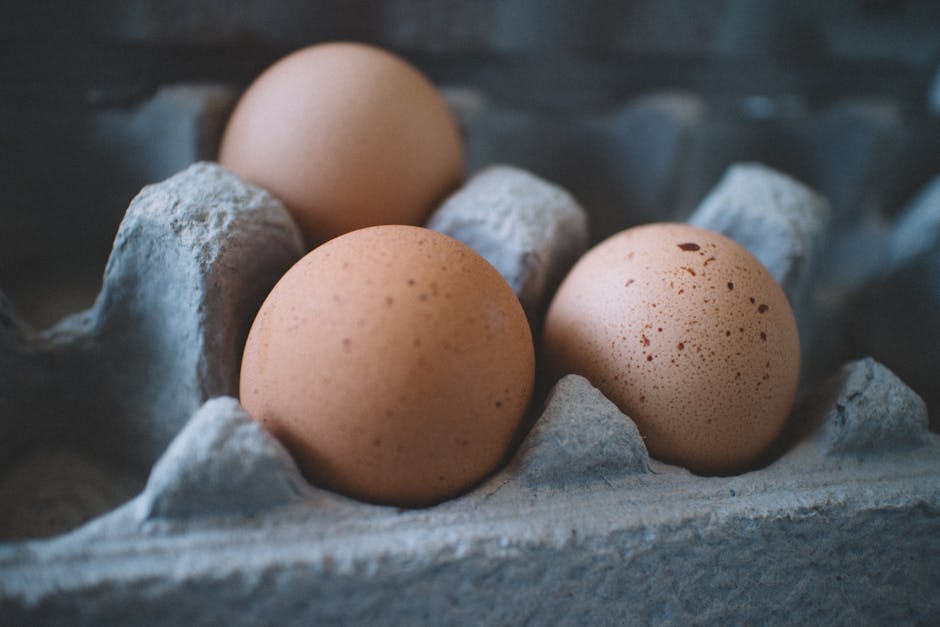
Brown eggs come from hens with red earlobes, most commonly Rhode Island Reds, Plymouth Rocks, and Marans. Shell color is determined entirely by the breed of hen, specifically a pigment called protoporphyrin deposited late in the shell-forming process, and has no bearing on flavor, nutrition, or yolk color. A brown egg and a white egg from hens raised on the same feed and living conditions are nutritionally identical.
Varieties
Not all brown eggs look alike. Rhode Island Reds and Plymouth Rocks lay a medium tan-brown shell, while Marans hens lay eggs so dark they're often called 'chocolate eggs.' Easter Eggers and Ameraucanas lay blue or green shells, a genetically separate trait from brown pigmentation, not a third category in between.
Buying tips
Check the carton for cracks and give it a gentle shake, intact eggs shouldn't rattle loosely. Choose based on labels that actually matter (pasture-raised, cage-free, organic) rather than shell color, since brown eggs are often priced higher purely because the hens that lay them are larger breeds that eat more feed.
Substitutes
White eggs (large) — 1:1
Nutritionally and functionally identical; the only difference is shell color from a different hen breed.
Duck eggs — About 3/4 duck egg per brown egg
Duck eggs run 30-50% larger with a richer, fattier yolk; good for baking since the extra fat adds moisture, but reduce quantity slightly by weight.
Liquid egg substitute (e.g. Egg Beaters) — 1/4 cup per egg
Mostly egg whites plus color and vitamins; works for scrambling and baking but produces a flatter, less rich result than whole eggs.
Flax egg (1 tbsp ground flaxseed + 3 tbsp water, rested 5 minutes) — 1:1 in most quick breads and muffins
Binds well in baked goods but won't whip, leaven, or brown the same way; skip it for meringues, custards, or angel food cake.
Unsweetened applesauce — 1/4 cup per egg, but only in specific recipes
Replaces moisture and some binding in cakes and muffins but adds no structure or leavening, so results vary by recipe and can't be reduced to a reliable universal ratio.
Storage
Keep brown eggs refrigerated in their original carton, which protects them from absorbing odors and slows moisture loss through the shell. Store on an interior shelf rather than the door, where temperature fluctuates most. Refrigerated eggs stay good for 3 to 5 weeks past the pack date.
How to use
Use exactly as you would white eggs: scrambled, fried, poached, baked into cakes and cookies, or as a binder in meatballs and breading. Shell color has no effect on cooking behavior or how the egg sets.
What it pairs with
Pairs the same as any egg: with sharp cheddar or feta in omelets, smoked salmon and dill, crisp bacon, sauteed spinach or mushrooms, and hot sauce or salsa for fried or scrambled preparations.
Nutrition
Shell color does not change nutrition. What can change calorie and fat content slightly is the hen's diet and living conditions, so a pasture-raised egg (brown or white) may have a modestly darker yolk and slightly more omega-3s than a conventional cage-free egg, but this is a feed difference, not a shell-color difference.
FAQ
Are brown eggs healthier than white eggs?
No. Multiple side-by-side analyses of eggs from hens on identical diets show no meaningful nutritional difference; shell color comes from breed genetics, not health or feed quality.
Why do brown eggs cost more than white eggs?
The hen breeds that lay brown eggs (like Rhode Island Reds) are generally larger and eat more feed than white-egg breeds (like White Leghorns), so producers charge more to cover that higher feed cost.
Can I substitute white eggs for brown in any recipe?
Yes, always 1:1. Recipes never specify egg color for a functional reason; any difference in results would come from egg size or freshness, not shell color.
Do brown eggs have a different taste than white eggs?
No inherent difference. Flavor differences reported between eggs almost always trace back to the hen's diet and freshness of the egg, not the color of the shell.
Have brown eggs on hand? Find recipes with our Recipe Generator →