
Burger Sauce
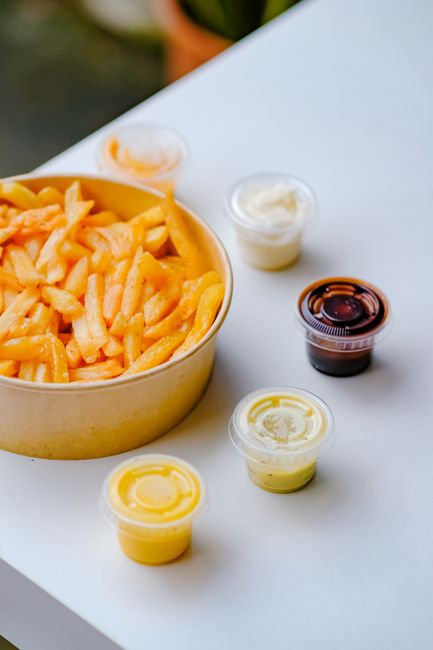
Burger sauce is a creamy, tangy-sweet condiment built on a mayonnaise-and-ketchup base, usually rounded out with pickle relish or minced pickles, a splash of mustard or vinegar, and a pinch of garlic or onion powder and paprika. It's the family of sauce behind fast-food "special sauce," and it sits somewhere between Thousand Island dressing and classic fry sauce: creamier than ketchup alone, less sweet than Thousand Island, and thinner than straight mayo.
Varieties
Regional and brand versions differ mainly in sweetness and tang: In-N-Out's spread leans sweeter with less pickle presence, the Big Mac sauce copycat recipes usually add a hit of French dressing and more paprika, and Utah-style fry sauce skips relish and mustard almost entirely, staying closer to a plain mayo-ketchup blend.
Buying tips
Bottled versions are sold as "burger sauce," "special sauce," or "fry sauce" depending on the brand; check the ingredient list for real pickles or relish rather than just "pickle flavor," which tends to taste flatter. If making it at home, use a mayonnaise you'd eat on its own, since it's the dominant flavor and can't be masked by the other mix-ins.
Substitutes
Thousand Island dressing — 1:1
Very close in color and texture; usually a bit sweeter, so cut it with a small squeeze of mustard if using on a savory burger.
Fry sauce (mayo + ketchup, no relish) — 1:1
Smoother and less tangy since it skips the pickles; add a teaspoon of relish per cup to close the gap.
Big Mac-style special sauce copycat (mayo, French dressing, relish, mustard) — 1:1
Tangier and more orange in color; the closest match if you're after a fast-food flavor specifically.
Remoulade — 3:4 (use slightly less)
Sharper and spicier from horseradish or Creole mustard and capers; good on burgers with fried or blackened patties.
Plain mayonnaise mixed with ketchup (2:1) — 1:1
A bare-bones stand-in when there's no relish or mustard on hand; whisk 2 parts mayo with 1 part ketchup.
Storage
Homemade burger sauce keeps in a sealed container in the refrigerator for about 1 to 2 weeks, since raw mayonnaise-based sauces don't hold as long as commercial ones with preservatives. Keep it away from the fridge door where temperature swings are bigger, and always use a clean utensil to scoop it to avoid introducing bacteria that shortens shelf life.
How to use
Spread on burger buns, but also useful as a dip for fries and onion rings, a spread for sandwiches and wraps, a topping for hot dogs, or thinned with a little water or pickle juice to use as a dressing for slaw or a wedge salad.
What it pairs with
Works best with beef and turkey burgers, crispy chicken sandwiches, and fried fish sandwiches. Pairs well with American or cheddar cheese, iceberg or shredded lettuce, and thin-sliced raw onion, all of which are traditionally layered with it on classic diner-style burgers.
Nutrition
Burger sauce is calorie-dense in small amounts because of the mayonnaise base, typically 90 to 110 calories per two-tablespoon serving, most of it fat. Making it at home lets you control sodium, since bottled versions and fast-food copies tend to be higher in salt from added relish brine and ketchup.
FAQ
Is burger sauce the same as Thousand Island dressing?
They're closely related but not identical. Thousand Island usually includes more sweet relish and sometimes chili sauce or hard-boiled egg, giving it a sweeter, chunkier profile than most burger sauces, which lean tangier and smoother.
Can burger sauce be made without mayonnaise?
Yes, using plain Greek yogurt or sour cream as the base gives a tangier, lower-fat result, though the texture is less rich and it won't emulsify with oil the way mayonnaise does.
Why does homemade burger sauce taste better after resting?
Letting it sit in the fridge for at least 30 minutes gives the garlic powder, paprika, and pickle brine time to fully dissolve and blend, rather than tasting like separate ingredients stirred together.
Can burger sauce be frozen?
It's not recommended. Mayonnaise-based sauces separate and turn watery and grainy once thawed, so it's better to make small batches that get used within two weeks.
Have burger sauce on hand? Find recipes with our Recipe Generator →