
Buttered Almonds
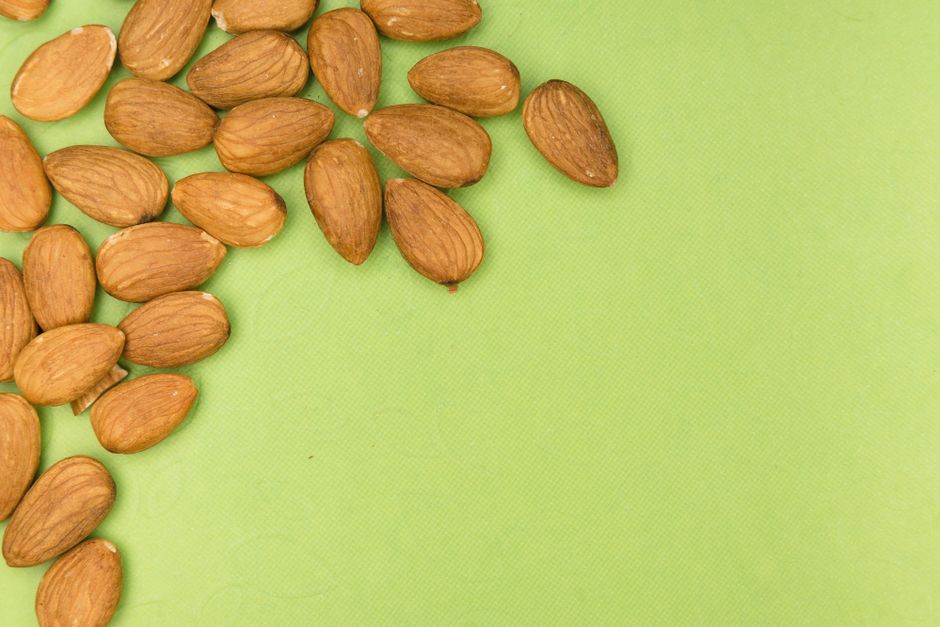
Buttered almonds are sliced, slivered, or whole almonds cooked slowly in butter until the nuts turn golden and the butter takes on a nutty, toasted aroma. This is the base of classic French "amandine" preparations, most famously trout amandine and green beans amandine, where the browned butter and crisp almonds are poured over the finished dish as both garnish and sauce.
Varieties
Sliced almonds (with skin) give more visual contrast and a slightly firmer bite once buttered; slivered, blanched almonds brown more evenly and taste milder since the tannic skin is removed. Whole almonds take noticeably longer to toast through and are less common for this preparation.
Buying tips
Sliced (with skin) or slivered (skin removed, blanched) almonds both work; sliced almonds brown a bit more unevenly because the skin darkens faster than the flesh, which some cooks prefer for visual contrast. Buy raw, unsalted almonds so you control the seasoning.
Substitutes
Almonds toasted dry, finished with olive oil — 1:1
Toast the almonds in a dry pan first, then stir in olive oil off the heat. Works for dairy-free versions but loses the nutty depth browned butter gives.
Sliced pecans in butter — 1:1
Softer texture and a sweeter flavor than almonds; good over green beans or squash.
Pine nuts in butter — 1:1
Smaller and more delicate, so they brown faster; watch closely and pull them a shade earlier than you would almonds.
Panko breadcrumbs fried in butter — 1:1 by volume
Not a nut substitute, but replicates the buttery crunch on top of fish or vegetables for anyone avoiding tree nuts.
Storage
Buttered almonds are best made just before serving since they soften as they sit. Leftovers can be kept in an airtight container at room temperature for up to two days and recrisped in a dry skillet for a minute before using.
How to use
Spoon over pan-seared trout or other white fish (trout amandine), toss with blanched green beans (green beans amandine), scatter over roasted brussels sprouts or asparagus, or stir into oatmeal and rice pilaf for a buttery crunch.
What it pairs with
Classic with delicate white fish like trout and sole, green beans, brussels sprouts, and cauliflower. Also good finishing dish for salads with citrus or pear, where the browned butter flavor balances the acidity.
Nutrition
Almonds contribute vitamin E, magnesium, and unsaturated fat, but the butter adds a meaningful amount of saturated fat, so this is a garnish meant for small quantities rather than a base ingredient.
FAQ
What's the difference between buttered almonds and amandine?
They're the same technique; "amandine" is the French culinary term for a dish finished with butter-toasted almonds, most often applied to fish or green beans.
How do I keep the butter from burning while the almonds toast?
Use medium-low heat and swirl the pan frequently. Butter's milk solids brown faster than almonds cook through, so pull the pan off heat as soon as the almonds turn light golden since they continue browning from residual heat.
Can I make buttered almonds ahead of time?
They hold for a couple of hours at room temperature but lose their crunch by the next day. If needed, toast the almonds ahead and melt fresh butter over them just before serving.
Can I use margarine instead of butter?
Margarine will toast the almonds but won't develop the nutty, browned-butter flavor that defines the dish, since that flavor comes specifically from browning milk solids found in real butter.
Have buttered almonds on hand? Find recipes with our Recipe Generator →