
Cacao
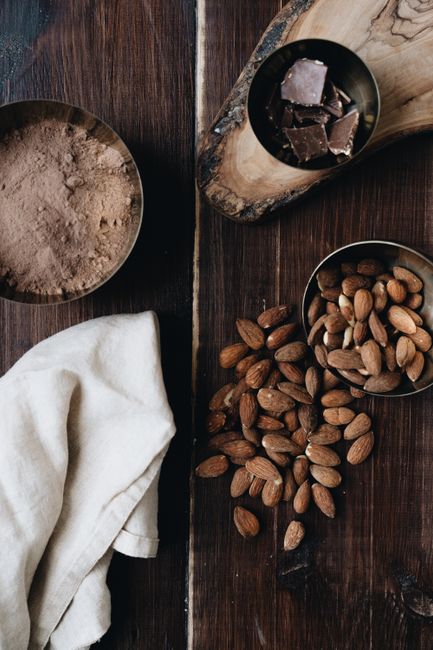
Cacao refers to the minimally processed products of the Theobroma cacao bean: raw cacao powder, cacao nibs, and cacao paste, made by cold-pressing or lightly processing fermented, dried beans without the high heat used for commercial cocoa. It has a more bitter, fruity, less mellow flavor than roasted cocoa powder and retains more of the bean's natural fat and antioxidants.
Varieties
Cacao powder, cacao nibs, and cacao paste are all made from the same bean but processed differently: nibs are crushed dried beans left whole and crunchy, paste is ground nibs melted into a smooth block, and powder is what's left after most of the fat (cacao butter) is pressed out and the solids are dried and ground.
Buying tips
Choose cacao powder or nibs labeled 'raw' or 'minimally processed' if the goal is the less-roasted flavor and higher nutrient retention; otherwise ordinary cocoa powder is cheaper and works in nearly all cooked recipes. Check that nibs are fresh and not rancid by smell, since their higher fat content shortens shelf life compared to powder.
Substitutes
Unsweetened cocoa powder (natural, not Dutch-process) — 1:1
Cocoa is roasted at higher heat, so flavor is milder and less bitter; closest substitute in baking since acidity and cooking behavior are similar.
Dutch-process cocoa powder — 1:1
Alkalized, so it's smoother and darker with almost no bitterness; works fine in baked goods but omit any baking soda meant to react with cacao's natural acidity.
Carob powder — 1:1
Naturally sweet and caffeine-free with none of cacao's bitterness or chocolate depth; better for a mild, malty flavor than a true chocolate substitute.
Melted dark chocolate (70% or higher) — 3 tbsp chocolate per 1 tbsp cacao powder
Reduce added fat elsewhere in the recipe since chocolate already contains cocoa butter and sugar.
Cacao nibs, ground fine — 1:1 by weight
Grinding whole nibs in a spice grinder gets close to powder texture but leaves more fat and grit than store-bought cacao powder.
Storage
Keep cacao powder and nibs in an airtight container away from light, heat, and moisture; a cool pantry shelf works for 1 to 2 years. Cacao paste or cacao butter should be refrigerated in warm climates to prevent it from softening or developing off flavors.
How to use
Whisk into smoothies, oatmeal, or homemade hot chocolate for a more bitter, complex flavor than cocoa. Use in raw or baked desserts, energy bites, and granola. Cacao nibs work well scattered over yogurt, baked into cookies like chocolate chips, or ground into nut butter for texture and crunch.
What it pairs with
Pairs well with cinnamon, chili, sea salt, coffee, orange zest, and nut butters. Balances well against sweeteners like maple syrup, honey, or dates since raw cacao is notably more bitter than cocoa.
Nutrition
Cacao is higher in flavonoids, iron, and magnesium than heavily processed cocoa because it skips the high-heat roasting that degrades some antioxidants. It's still calorie-dense and naturally bitter, so most people pair it with a sweetener.
FAQ
Is cacao the same thing as cocoa?
No. Both come from the same bean, but cocoa powder is roasted at higher temperatures, which mellows bitterness and reduces some nutrient content; cacao is processed at lower heat and tastes more bitter and fruity.
Can cacao powder be used in place of cocoa powder in a recipe?
Yes, in equal amounts, but expect a more bitter, less sweet result, so recipes may need slightly more sugar to balance.
Are cacao nibs the same as chocolate chips?
No. Cacao nibs are unsweetened, crunchy pieces of the bean itself with no added sugar or fat, while chocolate chips are sweetened and melt when heated.
Does raw cacao contain caffeine?
Yes, cacao naturally contains both caffeine and theobromine, though in smaller amounts than coffee; a tablespoon of cacao powder has roughly 12 to 15 milligrams of caffeine.
Have cacao on hand? Find recipes with our Recipe Generator →