
Cachaça
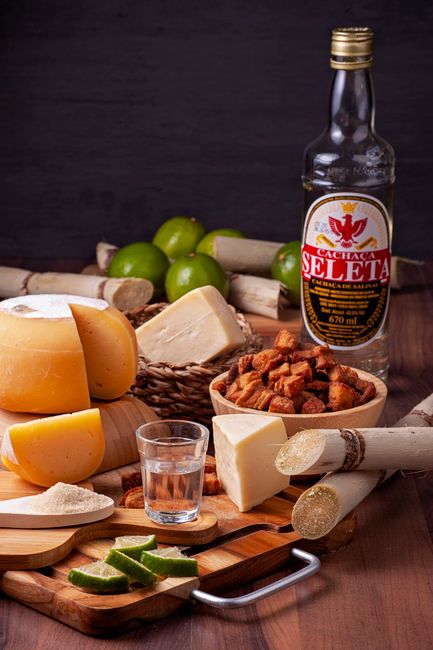
Cachaça is a Brazilian spirit distilled from fresh-pressed sugarcane juice rather than molasses, which sets it apart from most rum. It's unaged (prata/silver) or aged in wood (ouro/gold, or barrel-specific styles), with a grassy, vegetal sweetness and a rougher, funkier edge than rum. It's the base spirit of the caipirinha and shows up in Brazilian marinades and sauces in smaller amounts.
Varieties
Prata (silver/unaged) cachaça is clear, sharper, and grassier, the standard choice for caipirinhas. Ouro (gold) or envelhecida (aged) cachaça rests in wood barrels, often Brazilian amburana or balsam wood, gaining color and notes closer to a light whiskey or aged rum.
Buying tips
Check the label for 'cachaça' specifically rather than 'Brazilian rum,' and look for artisanal (alambique) versions for more character versus industrial column-still brands, which tend to be smoother but blander. For caipirinhas, an unaged prata style is standard; for sipping, look for aged ouro or single-wood versions.
Substitutes
White rum (light, unaged) — 1:1
The closest widely available substitute in cocktails; sweeter and smoother, missing cachaça's grassy funk, but structurally the same role.
Aguardiente (Colombian or Ecuadorian, unflavored) — 1:1
Also sugarcane-based and close in spirit to cachaça, though many commercial bottles are anise-flavored, so seek out the unflavored version.
Gold or aged rum — 1:1
Works well for aged (ouro) cachaça substitutions since both carry oak and caramel notes; too heavy for cocktails calling for prata style.
Vodka — 1:1
Neutral stand-in with none of cachaça's sugarcane character; use only when the goal is alcohol content rather than flavor, like in a marinade.
Silver tequila — 1:1
An unconventional swap that brings its own agave flavor, but shares cachaça's rough, unaged edge better than most rums do.
Storage
Store an opened bottle upright at room temperature, away from direct sunlight and heat. Unlike wine, distilled spirits don't oxidize meaningfully once opened and keep their flavor for years, though very cheap unaged cachaça can lose some brightness after a year or two open.
How to use
Most commonly muddled with lime and sugar for a caipirinha, but also used in fruit-forward cocktails (batidas), splashed into marinades for grilled meat, and occasionally added in small amounts to pan sauces for a sugarcane sweetness that rum doesn't quite replicate.
What it pairs with
Pairs naturally with lime, passion fruit, and other tart tropical fruits in cocktails, and with grilled or charred meats when used in a marinade, since its sweetness balances char and smoke.
Nutrition
Like any distilled spirit, cachaça is essentially just alcohol and calories, roughly 65-70 calories per 1-ounce shot, with no fat, protein, carbs, or micronutrients of note.
FAQ
Is cachaça the same as rum?
No. Rum is typically distilled from molasses, a byproduct of sugar refining, while cachaça is distilled from fresh-pressed sugarcane juice, which gives it a grassier, more vegetal flavor.
Can I make a caipirinha with rum instead of cachaça?
Yes, and it's a common substitution; the drink will taste smoother and sweeter but lose the sharper, funkier note that defines an authentic caipirinha.
Does cachaça go bad?
No, distilled spirits don't spoil. An opened bottle stored away from heat and light stays drinkable indefinitely, though flavor can flatten slightly in cheaper unaged bottles after a couple of years.
What's the difference between prata and ouro cachaça?
Prata is unaged or barely aged and clear, used mainly in cocktails; ouro is aged in wood barrels, giving it color, added sweetness, and flavors closer to whiskey or aged rum, better suited to sipping neat.
Have cachaça on hand? Find recipes with our Recipe Generator →