
Cake Flavors
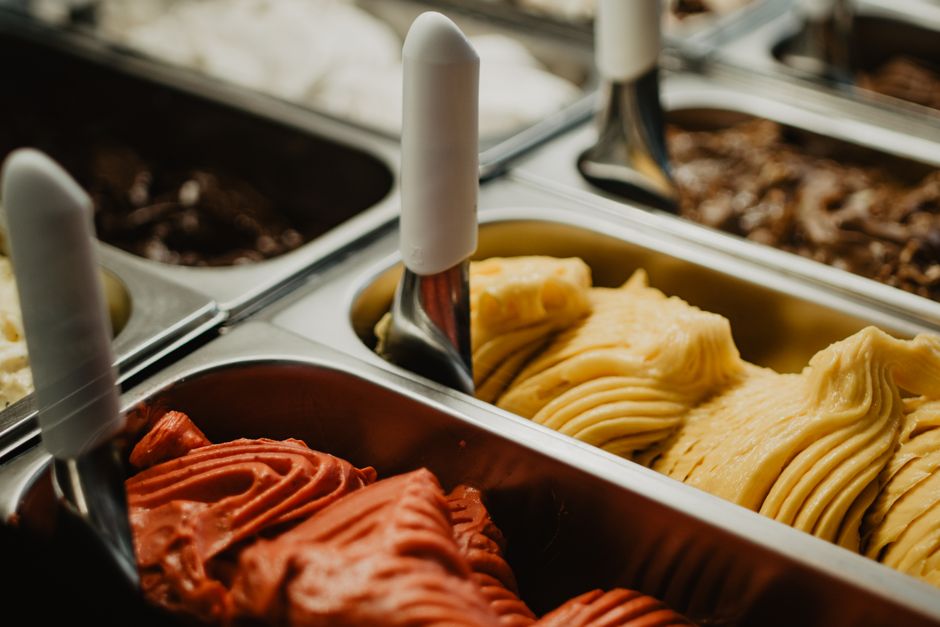
Cake flavor comes from a handful of building blocks layered on top of a base batter: extracts (vanilla, almond, mint), zests and juices (lemon, orange), cocoa or melted chocolate, spices (cinnamon, cardamom, ginger), and mix-ins like fruit puree or espresso. Most classic cake flavors, vanilla, chocolate, red velvet, lemon, carrot, spice, almond, are really the same basic batter with one or two of these elements swapped in or added.
Varieties
There's a real difference between extract-based flavors and structural flavors. Extract-based flavors (vanilla, almond, mint) change taste without changing the batter's texture or moisture. Structural flavors (cocoa powder, fruit purees, carrot, banana) add real volume and moisture and require adjusting other liquids or leaveners in the recipe, which is why a chocolate cake recipe isn't simply a vanilla cake recipe with cocoa stirred in.
Buying tips
Choose extracts labeled 'pure' rather than 'imitation' or 'flavor' when possible; pure vanilla extract must legally contain real vanilla bean and no added sugar syrup, while imitation versions are usually vanillin made from wood pulp or petroleum byproducts and taste flatter when baked at high heat. For citrus, buy fruit with tight, unblemished skin since that's where the zest's oil is concentrated.
Substitutes
Almond extract for vanilla extract — 1:2 (use half as much almond)
Almond extract is much more concentrated and can taste bitter or medicinal in excess. Start with half the vanilla amount and taste the batter before adding more.
Vanilla bean paste for vanilla extract — 1:1
Same flavor strength as extract but adds visible black flecks and a slightly rounder, less alcohol-forward flavor.
Citrus zest for citrus extract — 1 tbsp zest per 1 tsp extract
Zest gives fresher, more natural citrus flavor but less punch; increase to 1.5 tbsp if the extract amount called for is more than a teaspoon.
Cocoa powder for melted chocolate — 3 tbsp cocoa + 1 tbsp fat per 1 oz chocolate
Replace melted baking chocolate with cocoa powder plus a little extra butter or oil to make up for the missing cocoa butter.
Instant espresso powder for coffee flavor — 1 tsp dissolved in 1 tbsp hot water per 1 tbsp brewed coffee called for
Concentrated and doesn't add extra liquid volume like brewed coffee does, useful when a recipe is already at its liquid limit.
Storage
Pure extracts keep almost indefinitely in a cool, dark cabinet since alcohol is a natural preservative; imitation extracts are shelf-stable but lose potency faster, usually within a year or two of opening. Zested citrus should be used within a day since it dries out fast. Baked, flavored cakes keep 3-4 days at room temperature wrapped tightly, or up to 3 months frozen before frosting.
How to use
Add extracts to wet ingredients before mixing in flour so they distribute evenly rather than pooling in one spot. Use 1-2 teaspoons of extract per standard 2-layer, 9-inch cake batter; more than that and the alcohol taste can come through raw. Fold zest or spices in with the dry ingredients so they don't clump. For chocolate or fruit purees that add real volume, reduce another liquid in the recipe (usually milk or water) by roughly the same amount to keep batter consistency correct.
What it pairs with
Vanilla pairs with almost any frosting and is the standard base for layered or funfetti cakes. Lemon and orange work well with cream cheese or mascarpone frosting rather than heavy buttercream. Chocolate pairs with espresso, orange zest, or cinnamon to deepen flavor without tasting like an add-on. Spice cake flavors (cinnamon, nutmeg, ginger) pair naturally with cream cheese frosting or a brown butter glaze.
Nutrition
Extracts, zests, and spices are used in such small amounts that they contribute negligible calories or nutrients to a slice of cake; the flavor impact on nutrition mostly comes from bulkier additions like cocoa, chocolate chips, or fruit puree, which do add sugar and fat.
FAQ
Can you mix two cake flavors in one batter, like vanilla and almond?
Yes, this is a common combination. Use a smaller amount of the stronger flavor (usually almond or mint) alongside a full amount of vanilla so one doesn't overpower the other; a common ratio is 1 teaspoon vanilla to 1/4 teaspoon almond.
Why does my cake taste like flour or nothing at all even with extract added?
This usually means not enough extract was used relative to the batter's size, or the extract is old and imitation-grade. Old imitation extracts lose potency faster than pure ones and should be replaced roughly every 12-18 months.
Is almond extract the same as almond flavoring?
No. Almond extract is distilled from bitter almond oil and is very concentrated; almond flavoring is usually a diluted, synthetic version meant to be used in larger quantities, so check the label ratio before substituting one for the other.
Does adding more vanilla extract make a cake taste more vanilla, or just alcoholic?
Past about 1 tablespoon per standard cake batter, additional extract mostly adds a raw alcohol taste rather than more vanilla flavor, since the alcohol doesn't fully bake off in a short bake time. Vanilla bean paste or scraped vanilla bean seeds give a stronger, cleaner flavor boost instead.
Have cake flavors on hand? Find recipes with our Recipe Generator →