
Canned Salmon
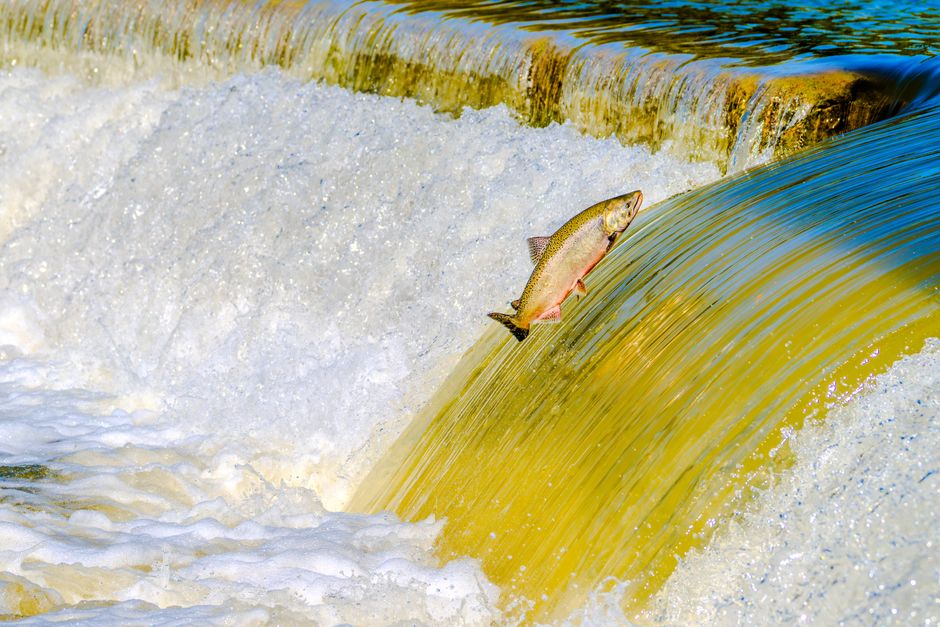
Canned salmon is wild-caught salmon (usually pink, sockeye, or keta/chum) that's cooked and sealed in the can during processing, so it arrives fully cooked and shelf-stable. Most cans include the skin and small, soft bones, both edible and a major source of the calcium canned salmon is known for. It's sold packed in water, brine, or occasionally oil, and comes bone-in/skin-on or as boneless, skinless fillets.
Varieties
Pink salmon is the mildest, lightest-colored, and least expensive; sockeye is deep red, firmer, and higher in fat with a more pronounced flavor; keta (chum) falls between the two in color and price. All three are interchangeable in recipes, though sockeye holds up best when a dish is meant to taste distinctly like salmon.
Buying tips
Check the label for wild-caught (nearly all canned salmon sold is wild) and note whether it's bone-in/skin-on or boneless/skinless; bone-in is cheaper and higher in calcium, boneless/skinless is smoother for salads and dips. Sockeye has a deeper red color and higher fat content than pink salmon and costs more; pink is the most common and budget-friendly option.
Substitutes
Canned tuna — 1:1
Milder, less oily flavor and no bones; use in patties, salads, and casseroles as a direct swap.
Fresh or frozen salmon, cooked and flaked — 1:1 by weight
Cook a fillet, cool it, then flake it by hand; richer flavor and no need to deal with canned bones or skin.
Canned sardines, mashed — 1:1
Stronger, more mineral flavor and softer texture; works in patties and dips but is noticeable in mild dishes.
Canned mackerel — 1:1
Similar oiliness and bone content to canned salmon, with a slightly fishier taste; good in patties and salads.
Smoked salmon, chopped — 3:4 (use about 3/4 the amount)
Much more concentrated flavor and saltier, so less is needed; best in dips, spreads, and pasta rather than patties.
Storage
Unopened cans keep in a cool, dry pantry for 2 to 3 years past the pack date. Once opened, transfer any unused salmon (with its liquid) to an airtight container and refrigerate for 3 to 4 days; canned fish left in the open can starts to pick up metallic off-flavors within a day.
How to use
Flake and use in salmon patties or cakes, salmon salad with mayo and celery, pasta salads, dips blended with cream cheese, casseroles, and quick weeknight tacos. Because it's already cooked, it only needs to be warmed through or used cold, never simmered for long.
What it pairs with
Pairs well with lemon, fresh dill, capers, whole-grain mustard, and mayonnaise in cold preparations, and with breadcrumbs, egg, and Old Bay-style seasoning in patties.
Nutrition
A typical 3-ounce serving delivers around 17-20 grams of protein and 1 to 2 grams of omega-3 fatty acids. The edible bones contribute a meaningful dose of calcium, often 15-20% of the daily value per serving, which fresh fillets don't provide.
FAQ
Can you eat the bones and skin in canned salmon?
Yes. The canning process softens the small bones enough to mash or eat whole, and the skin is fully edible; both are commonly left in for added calcium and moisture, though they can be picked out if the texture is unwanted.
Is canned salmon already cooked?
Yes, it's fully cooked during the canning process, so it can be eaten straight from the can or simply reheated, unlike raw fresh salmon which needs to be cooked from raw.
Why does canned salmon sometimes have a strong fishy smell?
That's normal for canned fish, especially pink and chum varieties; draining and rinsing the liquid before using it in salads or patties noticeably reduces the smell and saltiness.
Can canned salmon be substituted for fresh salmon in a baked recipe?
Not well for whole-fillet dishes since it's already cooked and softer, but it works fine in any recipe where the salmon is flaked or mixed, like patties, dips, or pasta.
Have canned salmon on hand? Find recipes with our Recipe Generator →