
Cashew Butter
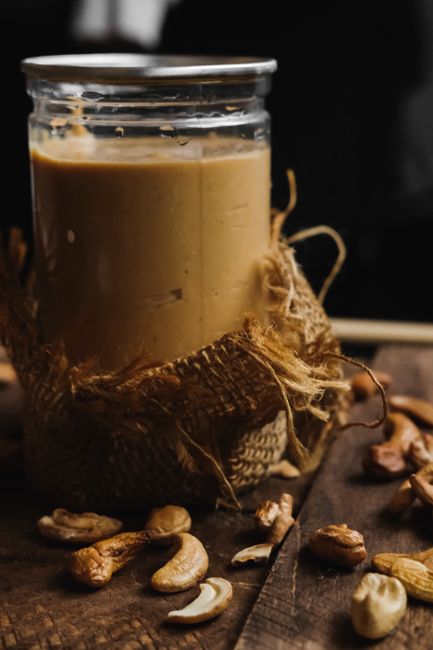
Cashew butter is made by grinding roasted or raw cashews until their natural oils release and the nuts break down into a smooth, pourable paste. Compared to peanut butter it has a milder, sweeter flavor and a thinner, glossier texture because cashews are lower in fiber and higher in fat that isn't locked into a dense cell structure. It's used in smoothies, sauces, baked goods, and as a peanut-free spread.
Varieties
Raw cashew butter is made from unroasted nuts and has a lighter color and cleaner, less sweet flavor; roasted cashew butter is darker, nuttier, and slightly sweeter from caramelization. Cashew butter is also distinct from 'cashew cream,' which is just soaked and blended cashews with water, used mainly as a dairy substitute rather than a spread.
Buying tips
Check the ingredient list: the best cashew butters list only cashews, sometimes with a pinch of salt. Avoid versions with added palm oil or sugar if you want the pure flavor. Raw cashew butter is paler and milder; roasted is darker and more toasty.
Substitutes
Almond butter — 1:1
Slightly grittier texture and a more pronounced nutty flavor, but works in nearly any recipe calling for cashew butter.
Peanut butter — 1:1
Much stronger, more assertive flavor and less sweetness; best in savory sauces and baking where peanut flavor won't clash.
Sunflower seed butter — 1:1
Nut-free option with a similar creamy texture; has a slightly earthier taste and can turn baked goods faintly green from a chlorophyll reaction with baking soda.
Tahini — 3:4 tahini to cashew butter
Tahini is thinner and more bitter, so use a bit less and add a touch of sweetener to balance flavor in sauces or dressings.
Macadamia nut butter — 1:1
Very close in richness and mild sweetness, though noticeably more expensive; a strong match for desserts and smoothies.
Storage
Store unopened jars in a cool pantry. Once opened, refrigerate to slow oil separation and rancidity, and stir well before each use since natural cashew butter separates without stabilizers. Refrigerated, it keeps well for 2 to 3 months; unrefrigerated opened jars should be used within a few weeks.
How to use
Blend into smoothies for creaminess, whisk into stir-fry or noodle sauces as a peanut-free alternative, swirl into oatmeal, or use in place of butter or oil in some vegan baking for moisture and richness. It also works well as a base for creamy vegan cheese sauces because of its neutral, mild flavor.
What it pairs with
Pairs well with maple syrup, cinnamon, and banana in sweet applications, and with soy sauce, lime, and ginger in savory Southeast Asian-style sauces.
Nutrition
Cashew butter is calorie-dense and high in unsaturated fat, with a solid amount of magnesium, copper, and plant protein per serving, but it's lower in fiber than almond or peanut butter, so it's less filling per spoonful.
FAQ
Why does cashew butter separate in the jar?
Natural cashew butter has no added stabilizers, so the oil (which makes up close to half its fat content) rises to the top over time. Stirring it back in with a knife or spoon before use fixes it.
Can I make cashew butter at home?
Yes. Blend roasted, unsalted cashews in a food processor for 8 to 12 minutes, scraping down the sides periodically; the nuts pass through a crumbly stage before releasing enough oil to turn smooth.
Is cashew butter healthier than peanut butter?
They're nutritionally similar in fat and calories, but peanut butter has more protein and fiber per serving, while cashew butter has more copper and iron.
Does cashew butter work in baking the same way as peanut butter?
Mostly yes, though its higher oil content and milder flavor can make baked goods slightly softer and less pronounced in nutty taste, so recipes may need a minute or two less baking time.
Have cashew butter on hand? Find recipes with our Recipe Generator →