
Cereal Bars
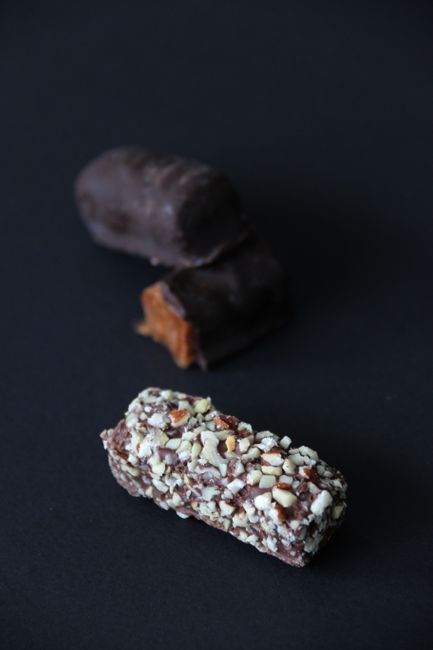
Cereal bars are compressed, baked or pressed bars made from cereal grains (usually oats, rice, corn, or wheat flakes) bound together with syrup, honey, or a light glaze. They range from crunchy, cookie-like bars to soft, chewy ones closer to a granola bar, and are used both as a grab-and-go snack and as a crumbled ingredient in no-bake desserts, crusts, and toppings.
Varieties
Crunchy cereal bars (often oat- or corn-based with a glaze coating) hold their shape well when crumbled and work best for crusts. Chewy or soft-baked cereal bars behave more like granola bars and are better suited to melting into a bar-cookie base than to a dry, crumbly topping.
Buying tips
Compare grams of added sugar and fiber per bar rather than relying on front-of-box claims like 'whole grain' or 'made with real fruit.' Bars with visible whole oats or grains tend to hold their texture better when crumbled into recipes than finely milled, cake-like bars.
Substitutes
Granola bars, crumbled — 1:1 by weight
Similar texture once crumbled; granola bars usually have more nuts and dried fruit, which adds flavor but also more fat.
Crisped rice cereal treats, cubed — 1:1 by weight
Softer and stickier than most cereal bars; works well in no-bake crusts but won't hold a crisp snap.
Oat and honey breakfast bars, crumbled — 1:1 by weight
Denser and chewier; reduce added sugar elsewhere in the recipe since these tend to be sweeter.
Crushed graham crackers plus a drizzle of honey — 1:1 by weight, plus 1 tsp honey per bar replaced
Not a direct swap but gets close for crusts and bar-cookie bases; lacks the whole-grain texture of true cereal bars.
Storage
Keep unopened cereal bars in a cool, dry pantry; they're shelf-stable for months. Once opened, reseal tightly or transfer to an airtight container, since exposure to air softens crisp bars and dries out chewy ones within a day or two.
How to use
Crumble over yogurt or ice cream for added crunch, pulse in a food processor for a quick no-bake pie or cheesecake crust, chop and fold into homemade trail mix, or pack whole as a portable breakfast alongside fruit. Chewy varieties can be melted slightly with butter and pressed into a pan as a fast bar-cookie base.
What it pairs with
Pairs well with plain yogurt, sliced banana, or peanut butter for breakfast, and with vanilla ice cream or whipped cream when used as a crumbled dessert topping.
Nutrition
Cereal bars vary widely: plain oat or corn-based bars run lower in sugar, while chocolate-coated or fruit-filled versions can carry as much added sugar as a cookie. Check the label rather than assuming, since some 'granola' labeled bars are closer to candy bars in composition.
FAQ
Can cereal bars be used to make a pie crust like graham crackers?
Yes. Crush about 1.5 cups of crumbled bars, mix with 3 tablespoons of melted butter, and press into a pie pan; chill for 30 minutes before filling since cereal bar crusts are softer than graham cracker ones.
Why do some cereal bars go soft and others go stale and hard?
It depends on the binder. Bars held together with corn syrup or honey absorb moisture and soften, while bars held together with a baked sugar glaze dry out and harden as they lose moisture to the air.
Are cereal bars a good substitute for granola in recipes?
Crumbled cereal bars work as a granola substitute in toppings and crusts, but they're more compact and less crunchy than loose granola, so use slightly less liquid or fat in recipes that call for granola's absorbency.
Do cereal bars need to be refrigerated after opening?
No, most are shelf-stable and stay food-safe at room temperature; refrigeration is only useful for extending crispness in humid kitchens, not for food safety.
Have cereal bars on hand? Find recipes with our Recipe Generator →