
Chile Guajillo
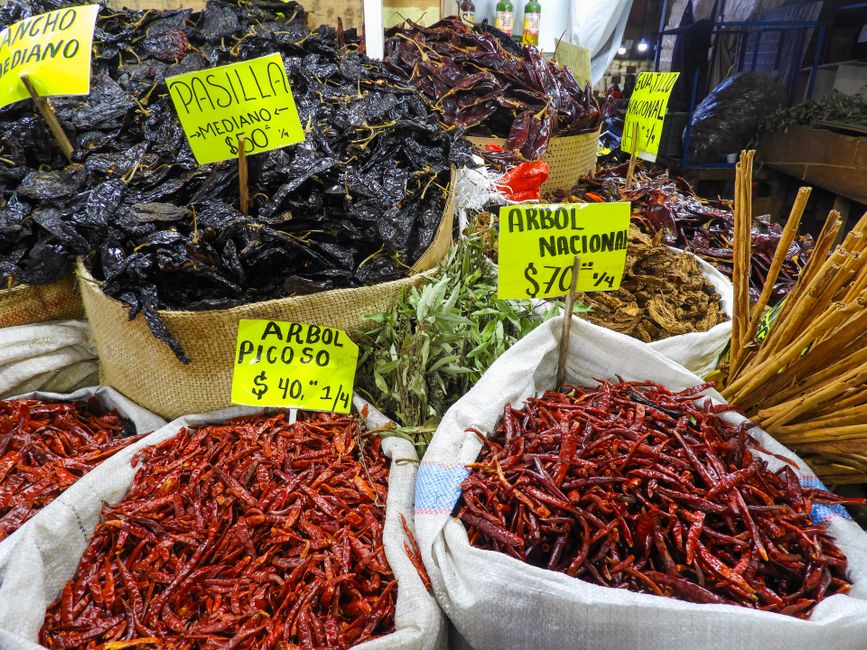
Guajillo is a dried version of the mirasol chile, one of the most common dried chiles in Mexican cooking. It has smooth, tough, brick-red to burgundy skin, a tangy, slightly fruity flavor with notes of green tea and berries, and mild to medium heat, roughly 2,500 to 5,000 Scoville units. Guajillos are almost never eaten whole out of the bag; they're rehydrated and blended into sauces, where their flavor forms the backbone of countless salsas, adobos, and moles.
Varieties
Guajillo is the dried form of the mirasol chile, not a separate fresh pepper sold under that name. It's sometimes confused with the puya chile, which is essentially a smaller, hotter version of the same plant, and with New Mexico red chile, which looks similar dried but tastes noticeably milder and earthier.
Buying tips
Choose pods that are pliable, not stiff or crumbly, with smooth, glossy, deep red skin. Bend one gently; it should flex rather than snap. Avoid packages with a lot of loose seeds or dust at the bottom, a sign of age.
Substitutes
Ancho chile — 1:1
Sweeter and richer with raisin-like notes, less tang and less heat than guajillo. Good in moles where guajillo's sharper edge isn't essential.
New Mexico red chile (dried) — 1:1
Milder and more earthy, thinner-fleshed skin. A common stand-in since it's widely available outside Mexican markets.
Puya chile — 1:1
A smaller, hotter relative of guajillo with a similar tangy flavor. Use fewer if aiming for the same heat level as guajillo.
Pasilla chile — 1:1
Darker, more raisin-and-cocoa flavored with less brightness. Works in moles but changes the color and sweetness of the final sauce.
Guajillo powder plus paprika (in a pinch, no dried pods on hand) — 1 tsp powder blend per 1 whole chile
Only approximates the flavor; lacks the body a rehydrated, blended pod gives a sauce. Best used to season, not to build sauce volume.
Storage
Keep dried guajillos in a sealed bag or airtight container away from light and humidity; they'll stay pliable and flavorful for up to a year at room temperature, or up to two years in the freezer. Discard any that feel brittle, smell musty, or show white bloom, a sign of mold rather than the natural dusty surface some pods develop.
How to use
Toast whole dried guajillos in a dry skillet for 20 to 30 seconds per side until fragrant and slightly puffed, then stem, seed, and soak in hot water for 15 to 20 minutes until pliable before blending into salsas, adobos, and mole sauces. They're the primary chile in many red enchilada sauces and in birria broth, and they pair with tomato, garlic, and vinegar in classic adobo marinades for pork and chicken.
What it pairs with
Guajillo's tang works well with tomato, garlic, cumin, Mexican oregano, and vinegar-based adobos, and it balances the richness of pork, beef birria, and chicken in braises. It's frequently blended with ancho or pasilla chiles for a more layered, complex sauce.
Nutrition
Like most dried chiles, guajillos are low in calories per pod and provide notable vitamin A and vitamin C along with capsaicin, the compound behind their mild heat and metabolism-boosting effects in small doses.
FAQ
Do I need to remove the seeds and veins from guajillo chiles?
Most cooks remove the seeds before rehydrating since they add bitterness and can make a sauce gritty; the veins carry most of the heat, so leave some in if a spicier result is wanted.
How spicy is guajillo compared to a jalapeño?
Guajillo tops out around 5,000 Scoville units, while jalapeños run 2,500 to 8,000, so guajillo generally lands milder than a hot jalapeño and firmly in mild-to-medium territory.
Can guajillo chiles be used without rehydrating them first?
They can be ground into powder dry after toasting, but for sauces and moles they need to be soaked until soft, otherwise the tough skin won't blend smoothly and leaves a fibrous texture.
Why does my guajillo sauce taste bitter?
Over-toasting the pods until they scorch, or leaving in the seeds and veins, is the usual cause; toast just until fragrant and pliable, not blackened.
Have chile guajillo on hand? Find recipes with our Recipe Generator →