
Christmas Candy
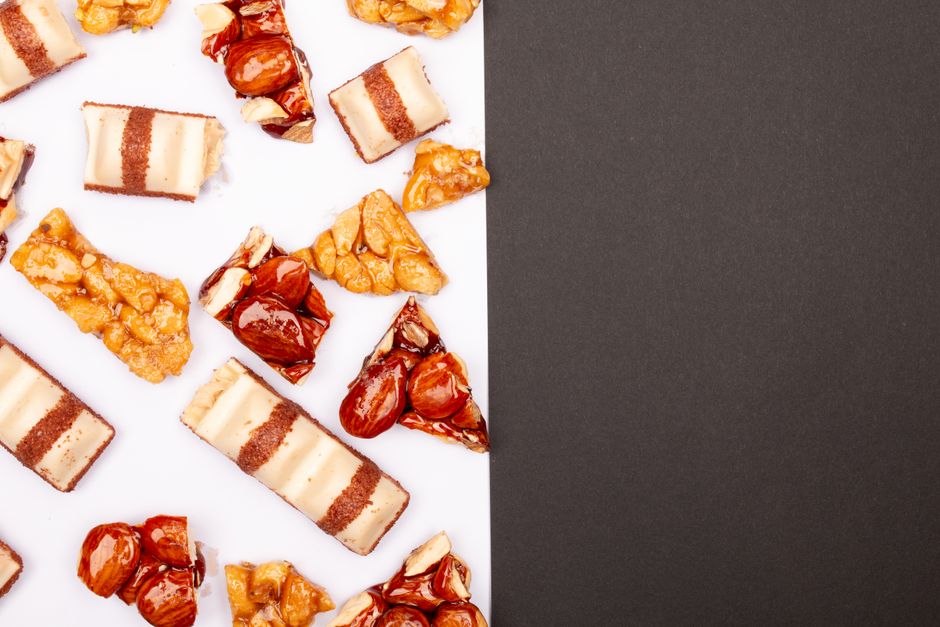
Christmas candy is a broad category of confections traditionally made in the weeks before the holiday: fudge, peppermint bark, toffee, divinity, brittle, fondant-dipped creams, and hard candies like ribbon candy or candy canes. Most rely on a small set of core ingredients (sugar, butter, cream or sweetened condensed milk, and chocolate) cooked to precise temperatures, which is why substitutions matter more here than in everyday baking. Swap the wrong ingredient in a candy recipe and the texture, not just the flavor, can fail.
Varieties
Fudge and fondant candies are cooked to the soft-ball stage (234-240°F) and stay soft; brittle and toffee are cooked to the hard-crack stage (300-310°F) and set glassy and snappable. Getting the candy thermometer stage right, not just the ingredient list, is what separates these categories.
Buying tips
When buying candy-making chocolate, choose bar chocolate or chocolate specifically labeled for melting/dipping rather than chocolate chips, which contain stabilizers that keep them from melting as smoothly. For nuts going into brittle or bark, buy raw and toast them yourself for better flavor control and freshness.
Substitutes
Light corn syrup (for recipes needing it to prevent crystallization) — 1:1
Use in fudge, brittle, and toffee. Prevents sugar from re-crystallizing into a grainy texture just like corn syrup does.
Sweetened condensed milk substitute (evaporated milk plus sugar) — 1 cup evaporated milk plus 1 1/4 cups sugar, simmered until thickened, replaces 1 cup sweetened condensed milk
Simmer over low heat, stirring constantly, until reduced and glossy; needed for fudges and caramels built on canned condensed milk.
Peppermint oil for peppermint extract — 1:4 (use one-quarter as much oil as extract called for)
Peppermint oil is far more concentrated than extract; overdoing it makes bark or fudge taste medicinal.
Coconut oil for butter in peppermint bark or truffles — 1:1
Works for melting into chocolate coatings, but candies set softer at room temperature and should be kept refrigerated.
Freeze-dried fruit powder for liquid food coloring — start with 1 tablespoon powder per cup of white chocolate or fondant
Gives natural red or green tint without adding liquid that can seize melted chocolate; adjust to taste and color intensity.
Storage
Store fudge, toffee, and bark in an airtight container at room temperature for up to two weeks, separating layers with parchment so pieces don't stick. Anything with cream cheese, fresh fruit, or dairy-based fillings (like some truffles) needs refrigeration and is best eaten within a week. Hard candies stay crisp longest in a sealed container with a piece of wax paper on top, away from humidity, which is what makes them turn sticky.
How to use
Christmas candy is typically packaged for gifting, added to dessert platters, crushed as a topping for hot chocolate or ice cream (candy canes and toffee bits especially), or layered into cookies and bark. Fudge and toffee also hold up well shipped in the mail if wrapped individually.
What it pairs with
Rich, sweet candies like fudge and toffee pair well with black coffee or unsweetened tea, which cuts the sugar. Peppermint bark and candy canes pair naturally with hot chocolate, and nutty brittles go well alongside a cheese board with something sharp like aged cheddar.
Nutrition
Christmas candy is calorie-dense, driven mostly by sugar, butter, and chocolate, with little nutritional value beyond quick energy. A single 1-inch square of fudge typically runs 100 to 150 calories; portion size matters more than ingredient choice here.
FAQ
Why did my Christmas fudge turn out grainy?
Grainy fudge usually means sugar crystals formed during cooking, often from stirring too much while the mixture boils or from sugar crystals on the side of the pan falling back in. Corn syrup or cream of tartar helps prevent this by interfering with crystal formation.
Can Christmas candy be made ahead and frozen?
Fudge, toffee, and bark all freeze well for up to three months in an airtight container with parchment between layers. Thaw at room temperature still sealed so condensation doesn't form on the surface.
Why does peppermint bark sometimes develop white streaks?
That's chocolate bloom, caused by cocoa butter separating out when chocolate is melted or cooled too quickly. It's still safe to eat but looks chalky; tempering the chocolate properly or cooling it slowly at room temperature prevents it.
What's the difference between divinity and nougat?
Both use whipped egg whites folded into hot sugar syrup, but divinity is cooked to a higher temperature and dries firmer and more matte, while nougat often includes corn syrup and butter for a chewier, glossier texture.
Have christmas candy on hand? Find recipes with our Recipe Generator →