
Coco Bread
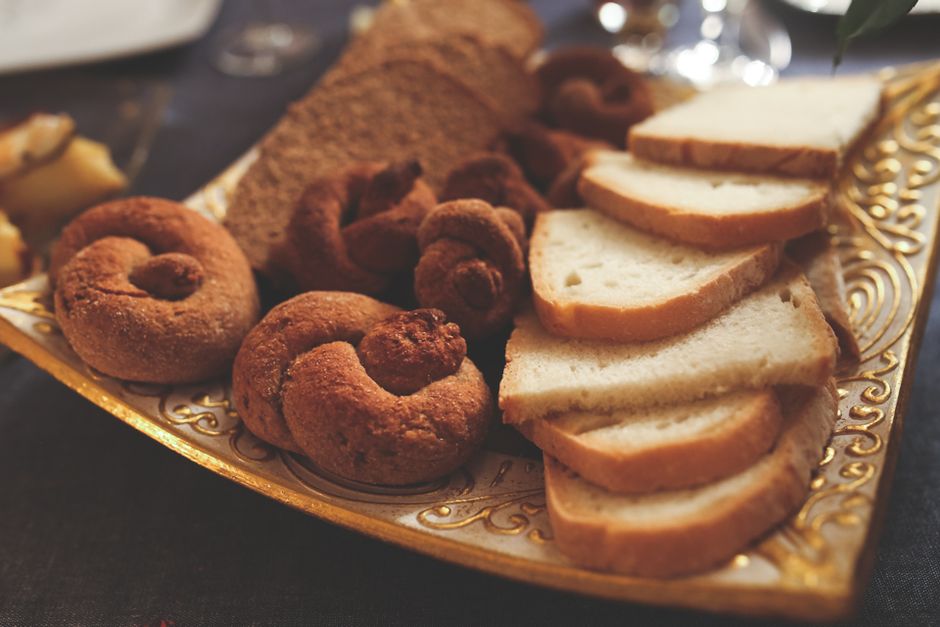
Coco bread is a soft, slightly sweet Jamaican yeast bread enriched with coconut milk and a little butter or shortening, which gives it a tender crumb and a faint coconut flavor without tasting overtly like coconut. It's shaped into a flat oval, brushed with butter, and folded in half like a book before baking, which is what creates its signature pocket. That pocket exists for one main reason: to hold a hot beef patty, turning the two into Jamaica's most popular street food combination.
Varieties
Some bakeries sell a version called "coco roll" or "bulla-style" coco bread that's slightly denser and less sweet; both are used the same way, though the classic folded oval shape is specific to true coco bread.
Buying tips
Look for coco bread at Caribbean bakeries or grocery stores with a Jamaican foods section, usually sold in plastic-wrapped packs of 4 to 6. Fresh coco bread feels soft and slightly springy through the wrapper; avoid packs that look flattened or have visible condensation, a sign they've been sitting too long.
Substitutes
Hawaiian sweet rolls (King's Hawaiian style) — 1:1
Close in sweetness and softness, though denser and without the folded pocket shape; split them open instead to hold fillings.
Portuguese sweet bread (pão doce), sliced — 1:1 by weight
Similar enriched, slightly sweet crumb; slice into rounds and toast lightly since it's often a bit drier than coco bread.
Soft brioche buns — 1:1
Richer from egg and butter rather than coconut milk, but the same tender, slightly sweet chew works well for holding a hot filling.
Potato rolls — 1:1
Neutral flavor and very soft texture; brush with a little melted butter before serving to mimic coco bread's glossy crust.
Homemade coconut milk dinner rolls — 1:1
Swap the milk in any basic enriched dinner roll dough for full-fat coconut milk and add a tablespoon of sugar per cup of flour for the closest homemade match.
Storage
Keep coco bread in a sealed plastic bag at room temperature for up to 2 days; refrigeration dries it out faster because of the starch content. For longer storage, freeze individually wrapped rolls for up to 2 months and thaw at room temperature before reheating.
How to use
Split a warm coco bread and wrap it around a hot beef, chicken, or vegetable patty so the buttery bread soaks up the flaky pastry's juices, a classic Jamaican lunch combination. It also works on its own toasted with butter, or as a soft sandwich bread for ham, cheese, or fried fish.
What it pairs with
Pairs classically with Jamaican beef, chicken, or callaloo patties, and also works well with scrambled eggs, ackee and saltfish, or a simple slice of sharp cheddar.
Nutrition
Coco bread is an enriched white bread, moderate in calories per roll and higher in fat than a plain dinner roll because of the coconut milk and butter. It contains little fiber, so it's best treated as an occasional side rather than an everyday bread.
FAQ
Does coco bread taste like coconut?
Only faintly. Coconut milk is used mainly for richness and moisture rather than a strong coconut flavor, so the bread tastes more like a mildly sweet, buttery roll.
Why is coco bread folded in half?
The dough is rolled into a flat oval, brushed with butter, and folded before baking so it creates a built-in pocket, making it easy to slide a hot beef patty inside without a separate bun cut.
Can coco bread be made without coconut milk?
Yes, though it changes the character of the bread. Substituting whole milk works structurally but loses the slight richness and faint sweetness that coconut milk provides.
How do you reheat coco bread?
Wrap it in foil and warm in a 300°F oven for about 5 minutes, or microwave for 10 to 15 seconds; overheating in the microwave quickly turns it tough and chewy.
Have coco bread on hand? Find recipes with our Recipe Generator →