
Fenugreek Leaves
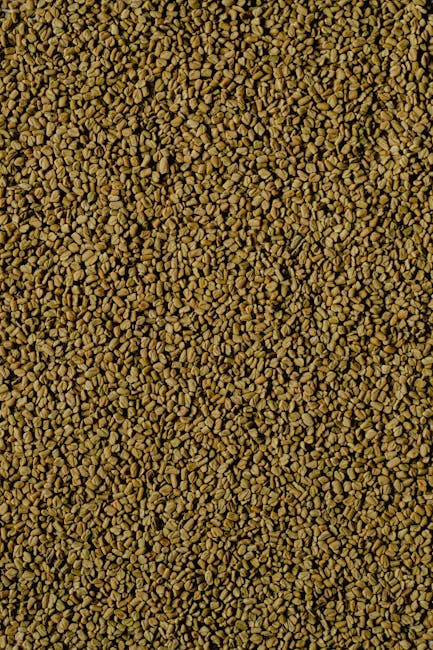
Fenugreek leaves, called methi in Hindi and Urdu, are the leafy tops of the fenugreek plant (Trigonella foenum-graecum), the same plant whose seeds are used as a spice. The fresh leaves are small, clover-shaped, and taste bitter and slightly sweet with a faint maple and curry-like undertone that mellows with cooking. They're distinct from fenugreek seeds, which are harder, more pungent, and used whole or ground rather than eaten as greens. Fresh methi shows up throughout North Indian, Pakistani, and Persian cooking in dishes like methi malai matar, aloo methi, and dals, while the dried version, kasuri methi, is used as a finishing herb.
Varieties
Fresh fenugreek leaves (methi) and dried fenugreek leaves (kasuri methi) come from the same plant but behave differently in cooking: fresh leaves need to be cooked down to mellow their bitterness, while dried kasuri methi is more aromatic and pungent in small amounts and is used as a finishing touch rather than a base vegetable.
Buying tips
Look for bunches with small, tender, deep green leaves and no yellowing or wilting; the stems should still look fresh, not dried out. Fenugreek leaves are commonly sold in South Asian and Middle Eastern grocery stores, sometimes labeled simply 'methi.' Smaller, younger leaves are less bitter than large, mature ones.
Substitutes
Dried fenugreek leaves (kasuri methi) — 1 tablespoon dried per 1 cup fresh chopped
Dried leaves are much more concentrated and slightly smokier. Crush between your palms before adding to release the aroma, and stir in near the end of cooking rather than at the start.
Baby spinach with a pinch of ground fenugreek seed — 1:1 spinach, plus 1/8 teaspoon ground fenugreek seed per cup
Spinach supplies the bulk and texture; the ground seed adds back some of methi's bitterness and curry-like aroma, though the maple note stays muted.
Mustard greens, chopped small — 1:1
Shares methi's bitter edge and holds up similarly to sautéing, though the flavor leans more peppery than sweet.
Watercress — 1:1
Milder and more peppery than methi, with none of the sweetness. Works best stirred into dals or soups near the end rather than fried.
Celery leaves — 1:1
A weaker substitute used mainly for greenery and a mild bitter note in curries where methi is a minor ingredient rather than the star.
Storage
Fresh fenugreek leaves wilt fast. Trim the roots, wrap the bunch loosely in a dry paper towel, and store in a perforated bag in the crisper drawer, where it keeps for about 3 to 4 days. Wash and dry leaves only right before using them, since damp leaves turn slimy quickly. Dried kasuri methi keeps for up to a year in a sealed jar away from light.
How to use
Pick the leaves from the tough stems before cooking; the stems are fibrous and bitter. Fresh methi is typically sautéed with onions, garlic, and ginger as a base for curries like methi malai matar or aloo methi, or added to parathas and dals. Because raw methi is quite bitter, most recipes cook it down with fat (ghee or oil) and a little sugar or cream to balance the flavor. Kasuri methi is added dry, crushed between the palms, at the end of cooking to finish curries, dals, and marinades without needing to be cooked down.
What it pairs with
Pairs naturally with potatoes, paneer, chickpeas, and cream in North Indian curries, and with garlic, cumin, and ginger as aromatics. The bitterness balances well against sweet elements like a pinch of sugar, coconut milk, or roasted peanuts.
Nutrition
Fenugreek leaves are low in calories and provide iron, folate, and vitamin K, along with a modest amount of fiber. They're often included in South Asian diets specifically for iron content, especially in dishes meant for postpartum recovery.
FAQ
Do fenugreek leaves taste like fenugreek seeds?
They share a family resemblance but aren't interchangeable. The leaves are bitter and grassy with a mild maple note, while the seeds are harder, more pungent, and slightly sour-bitter, closer to a spice than a green.
Why do fenugreek leaves taste so bitter?
The bitterness comes from compounds concentrated in the leaves, especially older ones. Cooking with fat, and pairing with cream, coconut milk, or a small amount of sugar, significantly tones it down.
Can I use fenugreek leaves raw in a salad?
It's uncommon because raw methi is quite bitter. When used raw, only the youngest, smallest leaves are chosen and mixed sparingly with milder greens.
How much dried kasuri methi replaces fresh methi in a recipe?
As a general rule, 1 tablespoon of crushed dried kasuri methi replaces about 1 cup of chopped fresh leaves, added toward the end of cooking rather than sautéed at the start.
Have fenugreek leaves on hand? Find recipes with our Recipe Generator →