
Fermented Pickles
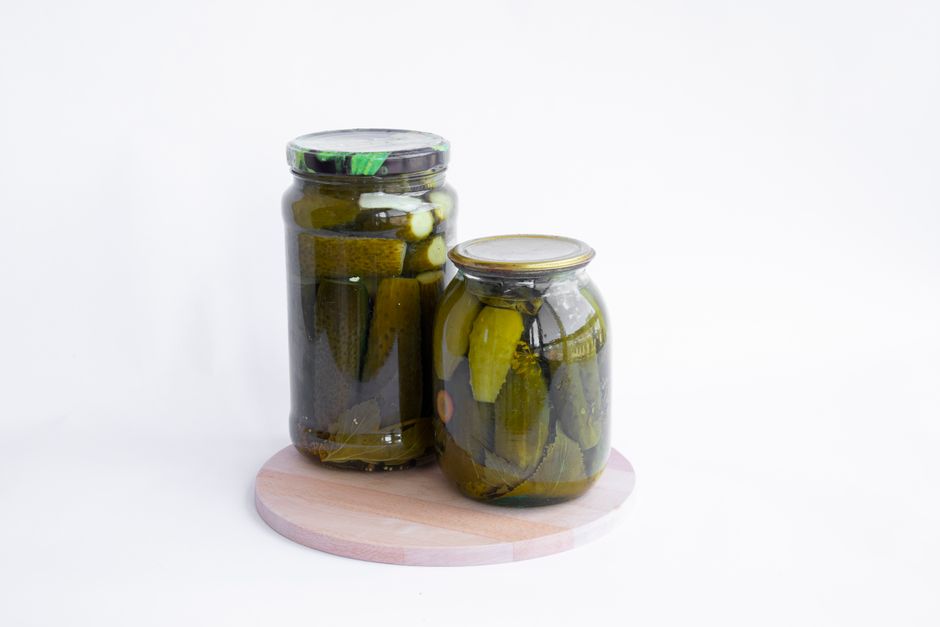
Fermented pickles are cucumbers (or other vegetables) preserved through lacto-fermentation: submerged in a salt-water brine and left at room temperature so naturally occurring Lactobacillus bacteria convert sugars into lactic acid. This is different from quick or vinegar pickles, which get their sourness from added vinegar rather than fermentation. Fermented pickles have a deeper, more complex sour flavor, a cloudier brine, and often a slight fizz from the fermentation process. They're usually found in the refrigerated section of the grocery store, not the shelf-stable aisle, since live fermentation continues unless the product is pasteurized.
Varieties
Half-sour pickles are fermented for a shorter period (often just a few days) and retain more of the cucumber's original color and crunch, while full-sour pickles ferment longer and develop a deeper amber color and stronger sour flavor. Vinegar pickles, despite often being labeled 'dill' or 'kosher dill,' are not fermented at all and rely entirely on an acid bath rather than bacterial fermentation.
Buying tips
Check the label for words like 'fermented,' 'live cultures,' or 'naturally fermented' rather than just 'pickled,' since most supermarket pickles are vinegar-based even when labeled dill or kosher. True fermented pickles are almost always sold refrigerated, never on a shelf next to vinegar pickles.
Substitutes
Vinegar (quick) dill pickles — 1:1 by volume
Much easier to find and shelf-stable, but flatter and sharper in flavor with none of the probiotic content or fizz.
Sauerkraut brine plus fresh cucumber slices — 1:1 cucumber, brine to taste
Quick DIY approximation using another fermented brine to season fresh cucumbers; not a true substitute for the texture of a properly fermented pickle.
Half-sour deli pickles — 1:1
Also lacto-fermented but for a shorter time, giving a milder, less sour flavor and a firmer, more raw-cucumber texture.
Kimchi (for flavor use in dressings and sauces) — Start with half the amount, adjust to taste
Not a cucumber substitute in appearance, but a good stand-in when a recipe calls for fermented pickle brine or chopped fermented pickle to add funk and acidity to a sauce or dressing.
Storage
Keep fermented pickles fully submerged in their brine, refrigerated, in a sealed jar. They will keep for several months refrigerated since the acidity and salt inhibit spoilage, though texture softens over time. Once opened, always push pickles back under the brine line with a clean utensil rather than leaving them exposed to air.
How to use
Eat straight from the jar as a side or snack, chop into potato salad or egg salad for tang, layer onto sandwiches and burgers, or use the leftover brine in salad dressings, deviled eggs, or as a marinade for chicken. The brine itself can also be sipped or used to season Bloody Marys.
What it pairs with
Pairs well with rich, fatty foods like pastrami, corned beef, and burgers, where the acidity cuts through the fat. Also good alongside grilled sausages, in grain bowls, or chopped into tuna and chicken salad.
Nutrition
Fermented pickles are low in calories but high in sodium from the brine. Unpasteurized versions contain live probiotic bacteria, which pasteurized shelf-stable pickles do not, since heat processing kills the live cultures.
FAQ
How can you tell if a pickle is fermented or just vinegar-brined?
Check the ingredient list: fermented pickles list water, salt, and spices with no vinegar, while vinegar pickles list vinegar as a primary ingredient. Fermented pickles are also almost always sold refrigerated rather than shelf-stable.
Why is the brine on fermented pickles cloudy?
The cloudiness comes from Lactobacillus bacteria and the byproducts of fermentation. It's a normal sign of live fermentation, not spoilage, unlike a fuzzy mold growth or foul smell.
Can you make fermented pickles at home safely?
Yes, using a salt brine of roughly 3 to 5 percent salinity by weight, submerging cucumbers fully to keep them away from oxygen, and fermenting at room temperature for about 3 to 10 days depending on desired sourness, then refrigerating to slow the process.
Do fermented pickles lose their probiotics when cooked?
Yes. Heat above about 115°F kills the live bacterial cultures, so cooking fermented pickles into a dish removes the probiotic benefit even though the flavor remains.
Have fermented pickles on hand? Find recipes with our Recipe Generator →