
Frozen Shrimp
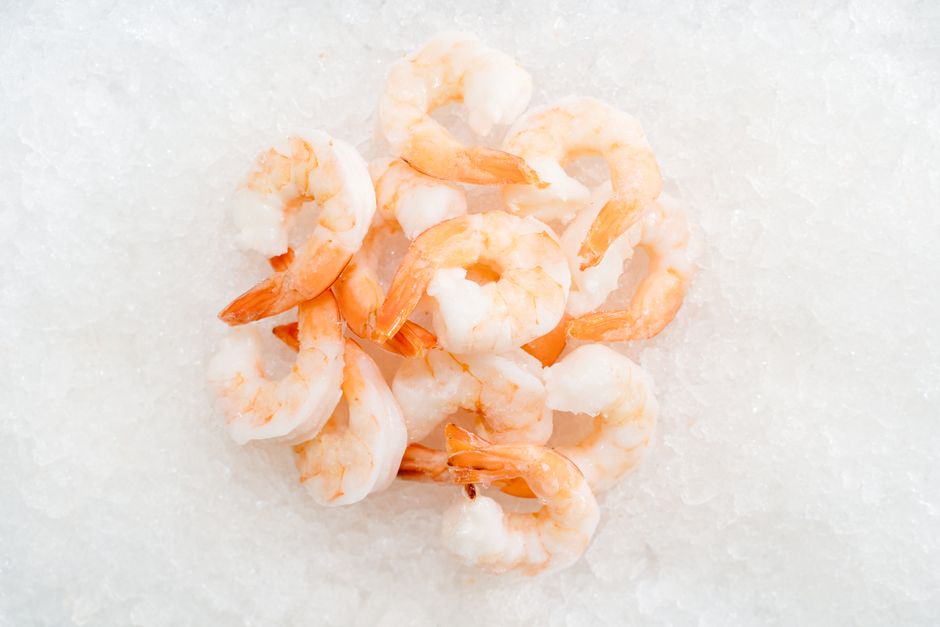
Frozen shrimp is shrimp that was flash-frozen at sea or within hours of harvest, which for most home cooks in the US and UK is actually the freshest option available since 'fresh' shrimp at the counter is almost always previously frozen shrimp that's been thawed for display. It comes raw or pre-cooked, peeled or shell-on, tail-on or tail-off, and is labeled by a count-per-pound number rather than a size name.
Varieties
White shrimp and pink shrimp are the mildest and most common in the US; black tiger shrimp are larger with bolder stripes and a firmer bite; and rock shrimp has a lobster-like texture but a much tougher shell that usually comes pre-split. Frozen shrimp also comes raw (gray, translucent) or pre-cooked (already pink), so check the label before assuming a recipe's cook time applies.
Buying tips
Check the bag for a count-per-pound number like 16/20 or 41/50; the lower the numbers, the bigger the shrimp, since that's how many shrimp make up one pound. Look for a bag with minimal ice crystals or frost, which signals freezer burn or a thaw-and-refreeze cycle. IQF (individually quick frozen) bags let you pour out exactly what's needed instead of thawing a solid block.
Substitutes
Fresh (never-frozen) shrimp from a fishmonger — 1:1 by weight
Genuinely fresh, never-frozen shrimp is rare and mostly limited to coastal areas during season; it cooks and tastes almost identically to properly thawed frozen shrimp.
Frozen bay scallops or sea scallops — 1:1 by weight
Works in stir-fries, pasta, and scampi-style dishes; scallops are sweeter and firmer, so reduce cook time slightly to avoid rubberiness.
Canned shrimp, drained — 1:1 by drained weight
Already cooked and much softer in texture; best in cold shrimp salads, dips, or stirred into a sauce at the very end rather than pan-seared.
Imitation crab (surimi) — 1:1 by weight
A budget stand-in for shrimp cocktail, sushi rolls, or pasta salads; it's mild, pre-cooked white fish formed to mimic shellfish, not a flavor match for scampi or grilling.
Storage
Keep frozen shrimp in its original vacuum-sealed or resealed freezer bag at 0°F (-18°C) or below, where it stays good for 6 to 9 months. Once thawed, cook raw shrimp within 1 to 2 days and never refreeze it unless it was cooked first. Thaw in the refrigerator overnight, or for a same-day thaw, seal the bag and submerge it in cold water for 15 to 20 minutes, changing the water halfway through.
How to use
Raw shrimp goes straight from thawed to the pan for scampi, stir-fries, tacos, and pasta, typically needing only 2 to 3 minutes per side over medium-high heat until it turns opaque and curls into a loose C shape (a tight O shape means it's overcooked). Shell-on shrimp is worth the extra peeling step for boils and grilling since the shell protects the meat and adds flavor to stock. Pre-cooked frozen shrimp only needs a quick thaw and a rinse, then works cold in shrimp cocktail and salads or warmed briefly in sauces.
What it pairs with
Pairs well with garlic, lemon, butter, and white wine in scampi-style dishes, with chili, lime, and cilantro in tacos, and with Old Bay seasoning in boils. Light, crisp whites like Sauvignon Blanc or a cold pilsner complement its mild sweetness without overwhelming it.
Nutrition
A 3-ounce (85g) serving of shrimp has about 20 grams of protein and under 100 calories, with very little fat. It's also one of the higher-cholesterol seafoods by weight, though current research shows dietary cholesterol from shrimp has a smaller effect on blood cholesterol than saturated fat does.
FAQ
What do the size numbers like 16/20 or 21/25 mean?
They show how many individual shrimp make up one pound, so 16/20 means 16 to 20 shrimp per pound (large) while 51/60 means 51 to 60 shrimp per pound (small). Lower numbers always mean bigger shrimp.
Is it safe to thaw frozen shrimp at room temperature?
No. Shrimp left out at room temperature can sit in the bacterial danger zone too long; thaw it in the refrigerator overnight or under cold running water instead, never in warm water or on the counter.
Can you cook shrimp straight from frozen without thawing?
Yes, for soups, stews, or boils where it goes straight into simmering liquid, just add a couple of extra minutes to the cook time. For pan-searing or grilling, thaw first so the surface sears instead of steaming from residual ice.
Do you need to devein frozen shrimp?
The dark line is the digestive tract, which is safe to eat but can taste gritty in larger shrimp. Most bags labeled 'peeled and deveined' already have it removed; check the label before assuming.
Have frozen shrimp on hand? Find recipes with our Recipe Generator →