
Furikake
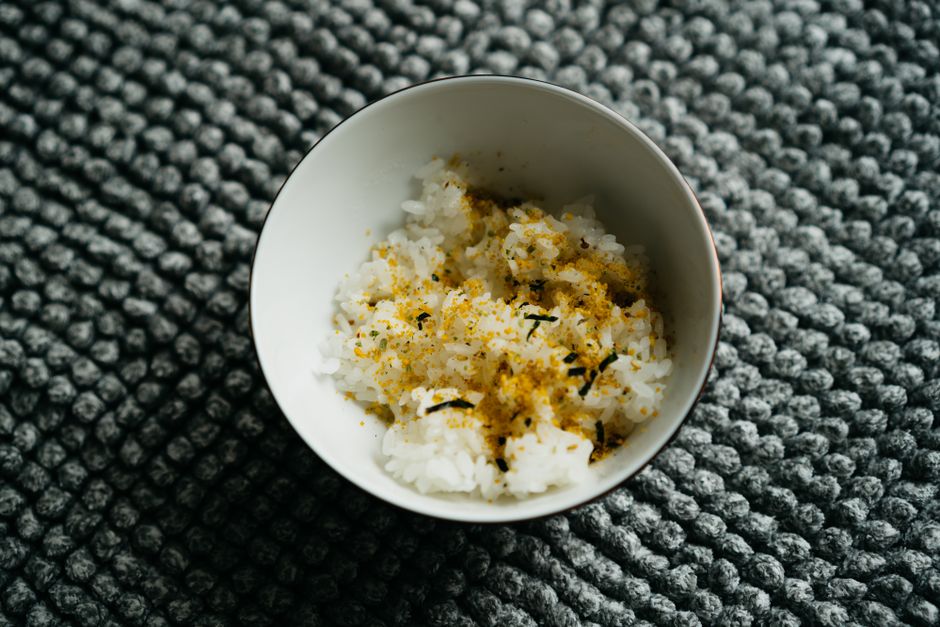
Furikake is a dry Japanese seasoning blend meant to be sprinkled over rice, and it typically combines toasted sesame seeds, crumbled or flaked nori (dried seaweed), salt, sugar, and often bonito flakes (katsuobushi) or dried fish for umami. Commercial blends add extras like dried egg, wasabi powder, or freeze-dried salmon depending on the variety. The texture is crunchy and light, not a paste or powder, and the flavor is a mix of salty, savory, and slightly sweet.
Varieties
Furikake comes in several distinct styles worth knowing: nori tama (a mild, kid-friendly blend with dried egg and sesame), wasabi furikake (adds a spicy kick), ume furikake (tinted pink with dried plum for a tart edge), and salmon or bonito-forward versions with a stronger fish flavor. Vegetarian furikake exists but isn't the default, so it's worth checking labels rather than assuming.
Buying tips
Check the ingredient list if avoiding fish or animal products, since many mainstream brands include bonito flakes or dried egg by default; look for labels marked vegetarian or vegan. Buy smaller bags if furikake isn't used often, since the seaweed flakes lose their crispness once the bag has been opened and resealed many times.
Substitutes
Homemade blend: toasted sesame seeds, crumbled nori, salt, and a pinch of sugar — 1:1
Toast the sesame seeds first, crumble a sheet of roasted nori by hand, and mix with a small pinch each of salt and sugar. Closest match for everyday use on rice.
Toasted sesame seeds plus crumbled nori (no fish) — 1:1
Leaves out the bonito, so it's milder and fully vegetarian, but still delivers the same crunch and sea-flavored saltiness.
Aonori (dried green seaweed flakes) mixed with sesame seeds and a little salt — 1:1
Aonori is more finely shredded than nori, so the result looks and tastes closer to a plain seaweed furikake than to fish-based versions.
Everything bagel seasoning — 1:1 by volume
Not a true flavor match since it leans garlic and onion instead of seaweed and fish, but it gives a similar salty, seedy crunch on rice or eggs in a pinch.
Storage
Keep furikake in its original resealable bag or transfer to an airtight jar, stored in a cool, dry pantry away from direct light. It stays crisp for several months unopened; once opened, use within 2 to 3 months since the sesame oils can turn slightly stale and humidity softens the seaweed flakes. Do not refrigerate, as condensation will make it clump and lose its crunch.
How to use
Sprinkle over steamed white or brown rice, mix into rice balls (onigiri), or scatter over popcorn, avocado toast, roasted vegetables, and scrambled eggs. It also works stirred into softened butter for a savory compound butter, or pressed onto salmon or chicken before pan-searing for a crisp, salty crust.
What it pairs with
Pairs naturally with steamed rice, grilled fish, tamago (Japanese omelet), and miso soup. It also complements avocado, cream cheese, and buttered popcorn, where the salty umami balances richness.
Nutrition
A tablespoon is low in calories but can carry 150 to 300mg of sodium depending on the brand, since salt is a primary ingredient. Sesame seeds contribute small amounts of calcium and healthy fats, and nori adds trace iodine.
FAQ
Does furikake always contain fish?
No, but most traditional and commercial blends do include bonito flakes for umami. Vegetarian versions exist and are usually labeled as such, relying on seaweed and sesame alone for flavor.
Is furikake gluten-free?
Many are, but some blends use soy sauce powder or wheat-based flavor enhancers as an ingredient, so checking the label matters if gluten is a concern.
Can furikake be made at home easily?
Yes. Toasting sesame seeds in a dry skillet for 2 to 3 minutes until fragrant, then mixing with crumbled nori, a pinch of salt, and a touch of sugar produces a basic version in under 10 minutes.
Why did my furikake turn soft and clumpy?
Moisture is the usual cause, either from storing it near the stove, in a humid kitchen, or leaving the bag open too long. Reseal tightly after each use and keep it away from steam.
Have furikake on hand? Find recipes with our Recipe Generator →