
Genmaicha
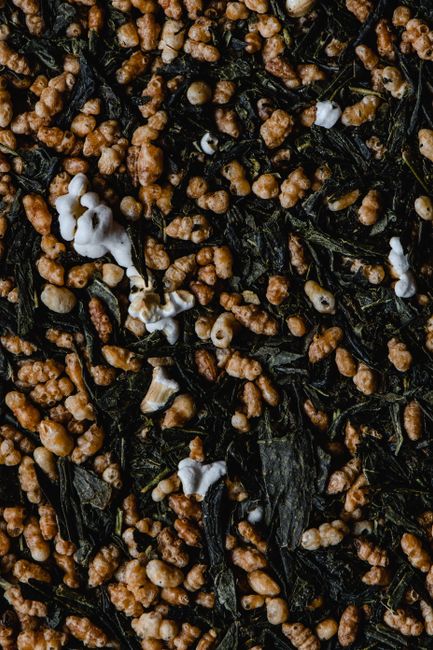
Genmaicha is a Japanese green tea, typically bancha or sencha, blended with roasted brown rice. During roasting some of the rice kernels pop open, which is why it's sometimes called popcorn tea. The rice mellows the tea's grassy bitterness and adds a toasty, nutty flavor, making genmaicha noticeably lighter and less astringent than plain green tea.
Varieties
Standard genmaicha uses bancha or sencha as its green tea base. Matcha-iri genmaicha adds a small amount of powdered matcha to the blend, giving it a brighter green color, a fuller body, and a more vegetal, slightly bitter edge compared to the plain version.
Buying tips
Look for blends with visible, evenly roasted rice kernels, some popped and pale gold, rather than mostly broken or dusty rice. A stale, oily, or musty smell means the rice has gone rancid; genmaicha should smell toasty and grassy at once. Some blends add matcha powder (labeled matcha-iri genmaicha) for a greener color and stronger flavor.
Substitutes
Hojicha — 1:1 by volume
A roasted green tea with a similar toasty character, but no rice and a deeper, more caramelized roast flavor. Contains less caffeine than genmaicha.
Sencha or bancha blended with home-toasted short-grain rice — 4 parts tea leaves to 1 part toasted rice
Toast raw short-grain rice in a dry skillet over medium heat, stirring constantly, until golden and fragrant, then mix with loose tea. Closest match to store-bought genmaicha.
Plain sencha or bancha (unblended) — Use half the amount called for genmaicha
Genmaicha is diluted with rice, so straight green tea leaves are more concentrated. Cutting the amount in half and steeping briefly avoids excess bitterness.
Roasted rice tea without tea leaves (genmai yu) — 1:1
Caffeine-free option that keeps the toasty rice flavor but loses the green tea component entirely. Good for evening drinking.
Storage
Store in an airtight, opaque container away from heat, light, and moisture. Rice absorbs odors easily, so keep it away from spices or coffee. Use within 3 to 4 months for the best rice aroma; the tea itself keeps longer, but the roasted rice flavor fades first.
How to use
Steep 1 to 2 teaspoons in water just off the boil (about 175 to 185°F) for 30 to 60 seconds; oversteeping pulls out bitterness from the tea leaves. Good hot or iced, and often served alongside sushi or rice-based meals in Japan. Some cooks also add a spoonful of the dry blend to cooked rice or broth for a subtle toasted flavor.
What it pairs with
Pairs well with savory Japanese food: sushi, onigiri, grilled fish, and pickled vegetables, since its mild toasty flavor doesn't compete with delicate dishes. Also works well alongside plain rice crackers or lightly sweet mochi as an afternoon drink.
Nutrition
Genmaicha has roughly half the caffeine of an equal-strength cup of plain green tea, since the rice makes up part of the volume. It carries the same catechins and antioxidants as green tea, just in a more diluted form, and has essentially no calories on its own.
FAQ
Does genmaicha have caffeine?
Yes, but less per cup than plain green tea, since roasted rice makes up a large share of the blend's volume and dilutes the tea leaf content.
What does genmaicha taste like?
Toasty and nutty from the roasted rice, with a mild, slightly sweet green tea flavor underneath. It's noticeably less bitter and grassy than straight sencha.
Can genmaicha leaves be steeped a second time?
Yes, but the rice flavor fades quickly. The first steep carries most of the toasted rice character, and a second short steep will taste thinner and more like plain green tea.
Is genmaicha the same as hojicha?
No. Hojicha is green tea leaves that have been roasted themselves and contains no rice. Genmaicha is unroasted or lightly processed tea blended with separately roasted rice.
Have genmaicha on hand? Find recipes with our Recipe Generator →