
Grape Juice
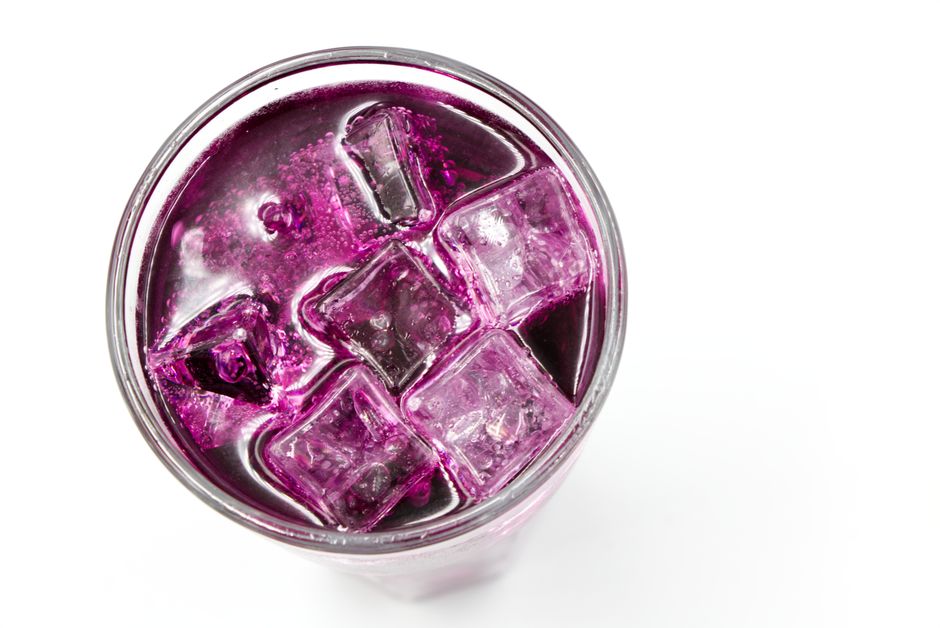
Grape juice is the pressed and strained juice of grapes, most commonly made from purple Concord grapes in the U.S. or a blend of red and black grape varieties elsewhere. Commercial grape juice is typically pasteurized and sold as either 100% juice or a juice cocktail with added sugar, and it has a distinctly sweet-tart, deeply fruity flavor with more tannin and acidity than most people expect from something so sweet.
Varieties
Concord grape juice, made from the native American grape variety, has a bold, musky sweetness and deep purple color, while white grape juice comes from green varieties like Thompson seedless and is milder and less tannic. 'Juice cocktail' products often contain as little as 30% actual grape juice diluted with water, sugar, and other fruit juices.
Buying tips
Check the label for '100% juice' rather than 'juice cocktail' or 'juice drink,' which are diluted with water and added sugar. Concord grape juice will be very dark purple and taste tangier than juice blended from Thompson seedless grapes, which is sweeter and lighter.
Substitutes
White grape juice — 1:1
Milder, less tannic, and lighter in color. Works well in dressings, glazes, and marinades where you don't want purple staining.
Cranberry juice (unsweetened) plus 1 tsp sugar per cup — 1:1
Sharper and more tart than grape juice, so the added sugar helps balance it. Best in sauces and braises rather than drinking straight.
Apple juice plus 1 tsp red wine vinegar per cup — 1:1
Adds acidity that plain apple juice lacks, getting closer to grape juice's tartness for glazes and pan sauces.
Pomegranate juice — 1:1
More tart and less sweet, with a similar deep red-purple color. Good in marinades and reductions.
Red wine (non-alcoholic use excluded) — 3/4:1
For savory braises and pan sauces only; use about three-quarters the amount since wine is more concentrated and acidic, and add a pinch of sugar to round it out.
Grape jelly dissolved in warm water — 1/4 cup jelly plus 3/4 cup water per 1 cup juice
A pantry fix for glazes and sauces; stir until fully dissolved and strain if the jelly contains fruit pieces.
Raisins simmered in water, then strained — 1/2 cup raisins simmered in 1 cup water per 1 cup juice needed
Simmer 10 minutes, mash the raisins, then strain out solids. Darker and more concentrated in flavor than fresh grape juice, best for baking.
Storage
Unopened bottled grape juice keeps at room temperature until the printed date. Once opened, refrigerate and use within 7 to 10 days. Fresh-pressed juice should be refrigerated immediately and used within 3 to 4 days, or frozen in an airtight container for up to 6 months.
How to use
Drink chilled on its own, or use it to deglaze pans for pork and duck sauces, sweeten and tint gelatin desserts, glaze ham or roasted carrots, poach fruit, and add depth to vinaigrettes. It's also a common base for homemade jelly and a nonalcoholic substitute for red wine in braises.
What it pairs with
Pairs well with pork, duck, and game meats in pan sauces, with cinnamon and cloves in mulled drinks, and with soft cheeses like brie in a reduction. In desserts, it complements vanilla, lemon, and berries.
Nutrition
An 8-ounce serving has around 150 calories and 36 grams of sugar, most of it naturally occurring fructose and glucose, plus a notable amount of vitamin C and polyphenol antioxidants from grape skins, though far less fiber than eating whole grapes.
FAQ
Can grape juice replace red wine in cooking?
Yes, for braises and pan sauces where you want acidity and body without alcohol, though it will taste sweeter, so cutting it with a splash of vinegar or lemon juice helps balance the dish.
Why does grape juice sometimes have crystals in the bottle?
Those are tartrate crystals, a natural byproduct of tartaric acid in grapes that forms when juice is chilled. They're harmless and can be strained out or simply left in the glass.
Is grape juice the same as wine before fermentation?
Not exactly. Wine grapes and table grapes are often different varieties, and juice grapes like Concord are chosen for bold flavor and color rather than the sugar and acid balance winemakers look for.
Does grape juice have the same health benefits as red wine?
It contains similar polyphenols like resveratrol from grape skins, but in lower concentrations than wine, and without the alcohol; it also has significantly more sugar per serving.
Have grape juice on hand? Find recipes with our Recipe Generator →