
Grappa
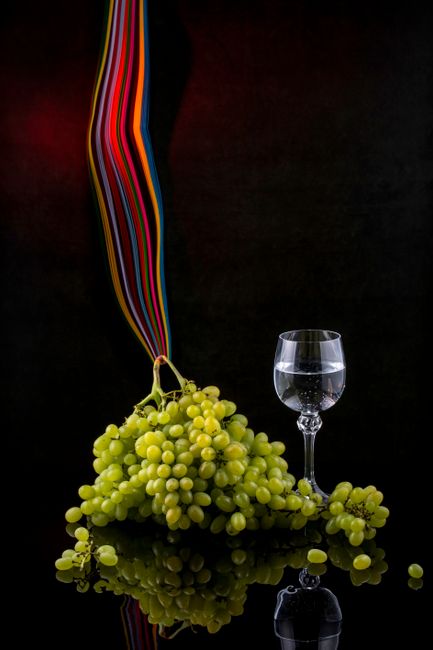
Grappa is an Italian brandy distilled from pomace, the leftover skins, seeds, and stems from winemaking, rather than from grapes or wine itself. It's typically clear and unaged (though some versions are barrel-rested and pale gold), with a sharp, high-proof kick and a grapey, slightly floral or herbal edge that's more assertive than wine-based brandies like cognac.
Varieties
Grappa made from a single grape variety (monovitigno), such as Moscato or Nebbiolo, carries more of that grape's specific aroma and tends to be smoother than blended grappa made from mixed pomace.
Buying tips
Younger, unaged grappa (labeled 'giovane' or 'bianca') is sharper and more aggressive, better for cooking where you want a clean kick. Aged grappa ('invecchiata' or 'riserva') is smoother and mellower from time in wood barrels, better suited to sipping neat after a meal.
Substitutes
Brandy (cognac or armagnac) — 1:1
Smoother and less aggressive than grappa, but the closest substitute in body and alcohol strength for both sipping and cooking.
Vodka — 1:1
Neutral flavor, so it won't replicate grappa's grape character, but works fine in recipes where grappa is mainly there for the alcohol kick, like flambéing or macerating fruit.
Pisco — 1:1
Also a grape-based spirit with a similar sharp, aromatic quality; a reasonable stand-in in desserts like tiramisu.
White rum — 3:4
Milder and sweeter than grappa, so use slightly less to avoid a candy-like flavor overtaking the dish.
Marc (French pomace brandy) — 1:1
Essentially the French equivalent of grappa, made the same way from pomace; a near-identical substitute in flavor and strength.
Storage
Grappa is a distilled spirit, not wine, so it doesn't spoil or need refrigeration. Store the bottle upright in a cool, dark cabinet away from direct sunlight; once opened, it keeps its flavor for a year or more since there's no fruit sugar to ferment further.
How to use
Splash into espresso for a caffè corretto, drizzle over macerating berries or peaches, add a tablespoon to tiramisu or zabaglione, use to deglaze a pan after searing meat, or flambé it over sautéed mushrooms and cherries. Because it's high-proof, a little goes a long way; add it off the heat or let it flame off briefly so the dish isn't overwhelmingly boozy.
What it pairs with
Pairs naturally with espresso, dark chocolate, roasted nuts, and stone fruit. In savory cooking it complements mushrooms, game meats, and rich cream sauces where its sharpness cuts through fat.
Nutrition
Like any distilled spirit, grappa has no fat, carbs, or sugar, only alcohol calories, roughly 65 calories per ounce depending on proof. In cooked dishes most of the alcohol evaporates, leaving behind concentrated flavor rather than calories.
FAQ
Is grappa the same as brandy?
Not exactly. Both are grape-based spirits, but standard brandy is distilled from wine (fermented grape juice), while grappa is distilled from pomace, the solid skins and seeds left over after pressing grapes for wine.
Can I leave grappa out of a tiramisu recipe entirely?
Yes, it's there for flavor and aroma, not structure. Omit it and add an extra teaspoon of strong espresso to the soaking liquid to keep the flavor balanced.
Does cooking with grappa burn off all the alcohol?
No. Flambéing or a quick simmer removes a portion of the alcohol but not all of it; dishes that simmer for 20 minutes or longer retain very little, while a quick deglaze can still carry noticeable alcohol.
Why does my grappa taste harsh compared to what I had at a restaurant?
Cheaper, younger grappa is often distilled quickly and lacks aging, which makes it taste sharper and more fusel-like. An aged or single-grape-variety bottle will taste noticeably smoother.
Have grappa on hand? Find recipes with our Recipe Generator →