
Grinder Sandwich
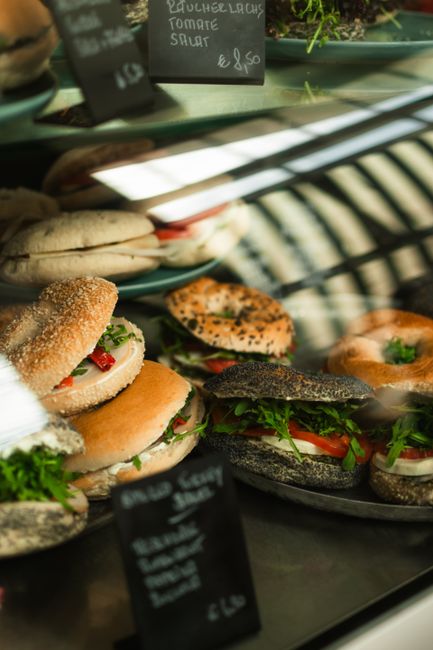
A grinder is a hot or cold Italian-American sandwich built on a long, crusty roll and packed with cured meats or meatballs, melted cheese, and usually a garlicky oil-and-vinegar dressed shredded lettuce. The name is New England in origin, most associated with Massachusetts and Rhode Island, where it specifically refers to a sandwich that's been heated or toasted, distinguishing it from a cold sub. The defining features are a sturdy roll that can hold up to oil and dressing without falling apart, and a filling that's pressed and often broiled just long enough to melt the cheese and crisp the edges of the meat.
Varieties
Regionally, the same sandwich goes by different names: 'grinder' in much of New England, 'sub' or 'submarine' in most of the rest of the country, 'hoagie' in Philadelphia, 'hero' in New York City, and 'po'boy' in Louisiana, though the po'boy typically uses a different, more delicate French-style loaf. In strict New England usage, a grinder specifically implies the sandwich is toasted or served hot; a cold version of the same sandwich is sometimes still just called a sub even in that region.
Buying tips
For an authentic result, buy Italian cold cuts sliced fresh at a deli counter rather than pre-packaged; ask for them sliced thin but not shaved, since shaved meat tends to clump and slide out of the sandwich. Choose a roll with a firm, not overly thick, crust; a crust that's too tough will tear the inside of the roll apart when bitten rather than yielding cleanly.
Substitutes
Hoagie roll — 1:1
Nearly identical texture to a New England grinder roll; a soft-crusted, sturdy Italian loaf works in place of a true grinder roll without changing the sandwich.
French baguette, cut to length — 1:1
Crustier and chewier than a traditional grinder roll, so warm it briefly before filling to keep it from shattering when bitten.
Ciabatta roll — 1:1
Sturdier and more open-crumbed; holds oil and juices well but won't toast up quite as crisp as a classic grinder roll.
Deli ham and turkey — 1:1 by weight
A reasonable stand-in when Italian cold cuts like capicola and soppressata aren't available, though the flavor turns milder and less peppery.
Meatballs in marinara — 1:1 by weight of meat filling
Turns the sandwich into a meatball grinder, a common and legitimate variation rather than a compromise; use fewer, larger meatballs so the sandwich holds together when sliced.
Storage
Assembled grinders don't hold well; the bread turns soggy from oil and tomato within a few hours at room temperature. If making ahead, keep the dressing, tomato, and lettuce separate and add them just before eating. Wrapped tightly in foil, a fully assembled cold grinder keeps in the refrigerator for about a day, though the texture suffers. Leftover cooked filling (meatballs, sausage, or meats and cheese) keeps in a sealed container in the refrigerator for 3 to 4 days and reheats well on its own.
How to use
Grinders are built for lunch counters and delis: sliced meats and cheese layered on a split roll, broiled briefly to melt the cheese, then topped with shredded lettuce tossed in oil, vinegar, oregano, and a little garlic. The same components work well deconstructed into a chopped Italian salad, or the meat-and-cheese combination can be used to build a hot panini using the same ratios.
What it pairs with
Pairs well with a side of kettle chips or a simple vinegar-based coleslaw, and with a crisp lager or an Italian-style pale ale that can cut through the fat and salt of the cured meats.
Nutrition
A full-size grinder loaded with cured meats and cheese typically runs 700 to 1,000 calories with a significant portion of a day's sodium, mostly from the cold cuts and cheese rather than the bread. Splitting one sandwich between two people or asking for it on a smaller roll cuts that load substantially without losing the flavor combination.
FAQ
What's the actual difference between a grinder and a sub?
In regions where both terms are used, a grinder is typically served hot or toasted, with the cheese melted, while a sub can be either hot or cold; elsewhere the two words are used interchangeably for the same cold sandwich.
What kind of cheese goes on a traditional grinder?
Provolone is the standard choice because it melts smoothly and has enough flavor to hold up against cured meats; mozzarella is a common substitute when a milder flavor is wanted.
How do you keep a grinder from getting soggy?
Layer the cheese directly against the bread on both sides before adding meat, tomato, and dressed lettuce; the cheese acts as a barrier that slows oil and moisture from soaking into the roll.
Can a grinder be made vegetarian?
Yes, using layers of roasted vegetables, provolone or mozzarella, and the same oil-and-vinegar dressed shredded lettuce; grilled eggplant and roasted red peppers hold up particularly well to the pressing and broiling step.
Have grinder sandwich on hand? Find recipes with our Recipe Generator →