
Hakka Noodles
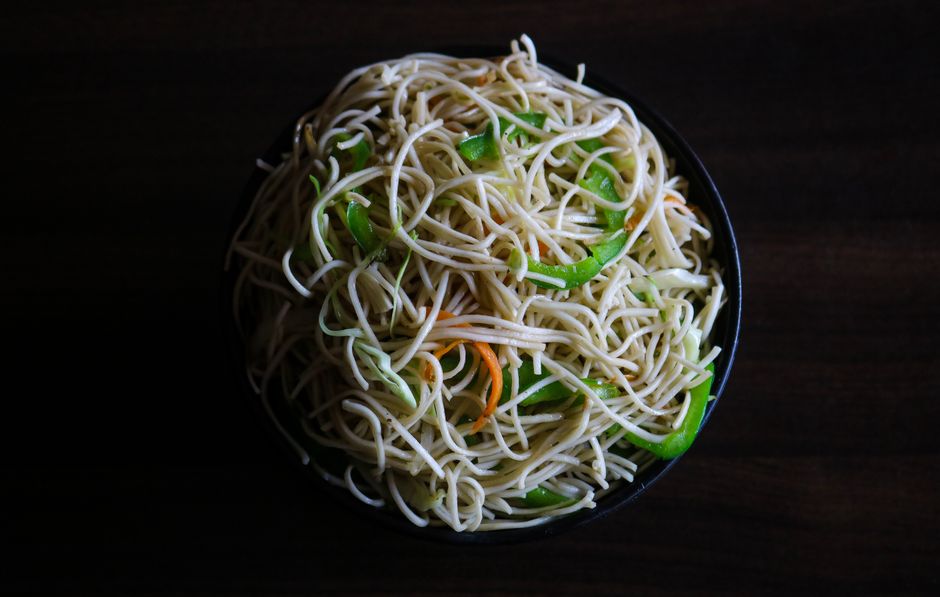
Hakka noodles are thin, wheat-based noodles central to Indo-Chinese cuisine, named after the Hakka Chinese community that settled in Kolkata and adapted Cantonese-style cooking to local tastes. They're sold dried in bundled nests, boiled until just tender, then tossed in a hot wok with vegetables, sauces, and often shredded chicken, egg, or shrimp. The noodles themselves are close cousins of plain lo mein or chow mein noodles, valued for staying springy and separate rather than clumping after stir-frying.
Varieties
Plain Hakka noodles and egg Hakka noodles are the two common forms sold dried; egg noodles have a slightly richer flavor and deeper yellow color from added egg in the dough. Both cook and behave the same way in a stir-fry.
Buying tips
Look for packages labeled specifically 'Hakka noodles' or 'stir-fry noodles' in the international aisle; they're usually pressed into flat, dry nests. If unavailable, plain chow mein noodles from an Asian grocery are the closest match. Avoid pre-cooked, oiled noodles sold in soft plastic pouches if the recipe calls for boiling from dry, since they're already parcooked and will overcook quickly in the wok.
Substitutes
Chow mein noodles (fresh or dried) — 1:1
Nearly identical wheat noodle used in Chinese-American stir-fries; cooks the same way and holds up just as well to high heat.
Lo mein noodles — 1:1
Slightly thicker and softer than Hakka noodles, giving a chewier bite, but works fine in the same stir-fry method.
Thin spaghetti or vermicelli pasta — 1:1
Boil one to two minutes less than the package states so the noodles stay firm enough to survive a second cooking in the wok.
Rice noodles (flat or vermicelli) — 1:1
A gluten-free option with a different texture, softer and starchier; soak rather than boil and add to the wok only at the very end to avoid mush.
Udon noodles — 0.75:1
Much thicker and chewier, so use a bit less by weight to keep the dish from feeling heavy; best for a fusion-style version rather than a traditional one.
Storage
Store dried, uncooked Hakka noodles in their sealed package in a cool, dry pantry for up to a year. Once cooked, toss lightly with a little oil to prevent sticking, then refrigerate in an airtight container for up to 3 days. Reheat in a hot wok or skillet rather than the microwave to bring back some crispness at the edges.
How to use
Boil until just tender (usually 3 to 5 minutes), rinse under cold water to stop the cooking and wash off surface starch, then toss with a little oil so the strands stay separate while they wait. Finish in a very hot wok with garlic, ginger, shredded vegetables, soy sauce, and a splash of vinegar or chili sauce for the classic Indo-Chinese stir-fry. They also work well cold in noodle salads or pan-fried into a crispy noodle cake as a base for other stir-fries.
What it pairs with
Pairs well with garlic, ginger, scallions, cabbage, carrots, and bell peppers, along with soy sauce, dark vinegar, and chili-garlic sauce. Common additions include shredded chicken, shrimp, scrambled egg, or paneer for a vegetarian version.
Nutrition
Hakka noodles are a refined wheat product, so they're mainly a source of carbohydrates with a modest amount of protein and little fiber. Nutritionally they're comparable to other plain wheat noodles or pasta; the dish's overall nutrition depends much more on the vegetables, protein, and oil added during stir-frying.
FAQ
Are Hakka noodles the same as chow mein noodles?
They're nearly the same product, thin wheat noodles meant for stir-frying, but 'Hakka noodles' refers specifically to the Indo-Chinese style of preparation with its characteristic soy-vinegar-chili flavor profile, while 'chow mein' is the broader Chinese-American term for the dish and noodle.
Why do my Hakka noodles turn out mushy or clumped?
This usually comes from overboiling or skipping the cold-water rinse. Boil the noodles until just tender, rinse immediately under cold water to stop the cooking and remove excess starch, then toss with a little oil before they go anywhere near the hot wok.
Can Hakka noodles be made gluten-free?
Traditional Hakka noodles are wheat-based, but rice noodles or gluten-free chow mein noodles made from rice flour substitute reasonably well; expect a softer, less chewy texture.
Do Hakka noodles need to be pre-cooked before stir-frying?
Yes. They're boiled first until just tender, then stir-fried briefly at high heat mainly to absorb sauce and pick up a bit of char, not to cook through from raw.
Have hakka noodles on hand? Find recipes with our Recipe Generator →