
Hazelnuts
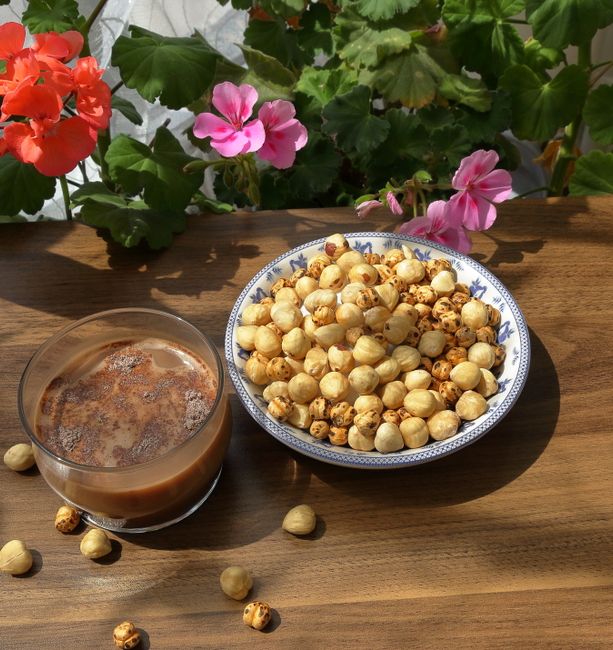
Hazelnuts (Corylus avellana), also called filberts, are the round nuts of the hazel tree, encased in a thin brown skin over cream-colored flesh. Raw, they taste mildly sweet and a little grassy; toasted, they turn rich, buttery, and slightly caramelized, which is why most recipes call for roasting them before use.
Varieties
"Filbert" and "hazelnut" refer to the same nut; filbert is the older term still used in some regions, particularly the U.S. Pacific Northwest. Oregon-grown hazelnuts tend to be rounder and slightly sweeter than the more elongated Turkish varieties that dominate global production.
Buying tips
Buy in-shell hazelnuts if possible and shake them; a rattling nut inside means it's dried out and past its prime. For shelled nuts, smell before buying if you can, rancid hazelnuts smell faintly like paint or crayons rather than nutty.
Substitutes
Almonds — 1:1
Milder and less oily than hazelnuts; toast them first to get closer to hazelnut's roasted depth.
Macadamia nuts — 1:1
Higher fat content gives a similarly buttery texture, though the flavor is more coconut-like than nutty.
Pecans — 1:1
Sweeter and softer in texture; works well in baked goods and praline but less so in savory dishes.
Walnuts — 1:1
More bitter and astringent, especially with the skin on; best in recipes with strong competing flavors like chocolate or coffee.
Hazelnut extract plus almonds — 1 cup almonds + 1/2 teaspoon extract per cup of hazelnuts called for
Useful when hazelnut flavor matters more than the nut itself, such as in a cake or frosting.
Storage
Shelled hazelnuts have a high oil content and go rancid faster than most pantry staples. Store in an airtight container in the refrigerator for up to 4 months, or in the freezer for up to a year. In-shell hazelnuts keep at room temperature in a cool, dry spot for a couple of months.
How to use
Toast raw hazelnuts at 350°F for 10-12 minutes, then rub them in a clean kitchen towel to remove most of the skins. Use toasted and chopped over salads and roasted vegetables, ground into hazelnut flour for cakes and macarons, blended into praline or gianduja, or left whole for snacking and cheese boards.
What it pairs with
Pairs especially well with chocolate, coffee, brown butter, pears, and apples. Also good with soft cheeses and in savory applications like romesco sauce or brown-butter hazelnut vinaigrette.
Nutrition
Hazelnuts are high in monounsaturated fat, vitamin E, and manganese, and provide more fiber per ounce than most other tree nuts.
FAQ
Are filberts and hazelnuts the same thing?
Yes. Filbert is simply an older common name for the same nut; both refer to the fruit of the Corylus avellana tree.
Do I need to remove the skins before using hazelnuts?
Not always, but the skins are bitter and slightly tough. For baking or eating out of hand, toast the nuts first and rub off the skins in a towel; a few stubborn bits left behind won't hurt a recipe.
Can hazelnut flour replace almond flour in a recipe?
Yes, in a 1:1 swap for most cakes and cookies, though the result will have a stronger, more roasted flavor and a slightly darker color.
Why do my hazelnuts taste bitter?
Bitterness usually comes from the skins or from rancidity. Toasting and skinning removes most of the bitter compounds; a sharp, unpleasant bitterness even after skinning usually means the nuts are old.
Have hazelnuts on hand? Find recipes with our Recipe Generator →