
Hugo Spritz
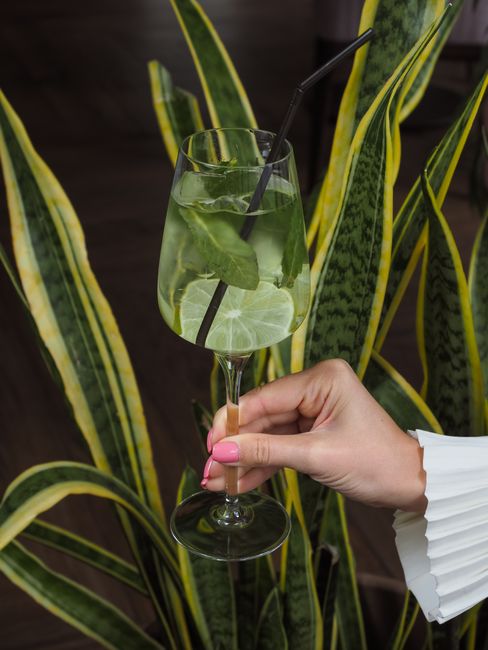
The Hugo Spritz is a low-proof Italian-Austrian aperitivo made from prosecco, elderflower syrup or liqueur, soda water, fresh mint, and lime. It was invented in South Tyrol in the early 2000s as a lighter, more floral alternative to the Aperol Spritz, and it has no bitter component at all, just bright, sweet-tart elderflower and herbal mint over ice.
Varieties
Some bars serve a "Hugo Royale" made with champagne instead of prosecco for a drier finish, and a non-alcoholic version swaps in sparkling white grape juice or alcohol-free sparkling wine for the prosecco while keeping the elderflower and mint.
Buying tips
Choose a dry (brut) prosecco rather than extra dry or demi-sec, since the elderflower syrup already adds significant sweetness. For elderflower syrup, check the ingredient list; some brands are mostly sugar water with little actual elderflower flavor, so look for ones listing elderflower extract or flowers near the top.
Substitutes
St-Germain elderflower liqueur — 1:1 (swap in for elderflower syrup)
Adds alcohol and a more concentrated, slightly more bitter floral note; use about half the volume of syrup called for since it's more potent.
Elderflower cordial (British-style, like Belvoir) — 1:1
Closest match to the traditional syrup, though often less sweet, so taste and adjust before adding soda water.
Honey-lime syrup with a few drops of orange blossom water — 1:1
Not a true elderflower flavor, but gives a similar floral-sweet backbone when elderflower isn't available.
Storage
Elderflower syrup keeps for several months unopened and about 4 to 6 weeks refrigerated once opened. Prosecco and soda water should be opened just before serving since both lose their fizz within a day or two even when recapped. Fresh mint stays usable for about a week wrapped loosely in a damp paper towel in the fridge.
How to use
Built directly in the glass over ice: elderflower syrup first, then prosecco, then a splash of soda water, finished with a mint sprig (bruised lightly to release oil) and a squeeze of lime. Best served immediately while the prosecco is still fully carbonated. Also works as a low-alcohol base for large-batch pitcher versions for brunch or garden parties, just multiply the ratios and add the soda water right before pouring so it doesn't go flat.
What it pairs with
Pairs well with light appetizers like prosciutto-wrapped melon, soft cheeses, and citrus-dressed salads. Its floral sweetness also works alongside brunch dishes such as quiche or smoked salmon, where a bitter Aperol Spritz would clash.
Nutrition
A standard 5 oz Hugo Spritz runs roughly 90 to 120 calories, most of it from the prosecco and elderflower syrup. It's noticeably lighter than sugar-heavy cocktails since soda water dilutes the drink without adding calories.
FAQ
What alcohol is actually in a Hugo Spritz?
Just the prosecco. Unlike an Aperol Spritz, the traditional Hugo Spritz uses elderflower syrup, not a liqueur, so the only alcohol comes from the wine itself, making it lower proof overall.
Can I make a Hugo Spritz without alcohol?
Yes. Replace the prosecco with a dry, unsweetened sparkling white grape juice or alcohol-free sparkling wine, keeping the elderflower syrup, mint, and soda water the same.
Why does my Hugo Spritz taste flat or watery?
This usually means the prosecco or soda water sat too long before pouring, or too much ice diluted the drink. Build it fast, over just a few large ice cubes, and serve within a couple minutes.
What's the standard ratio for a Hugo Spritz?
A common build is 3 parts prosecco, 1 part elderflower syrup, and 1 part soda water, poured over ice in that order to preserve carbonation.
Have hugo spritz on hand? Find recipes with our Recipe Generator →