
Ice Pops
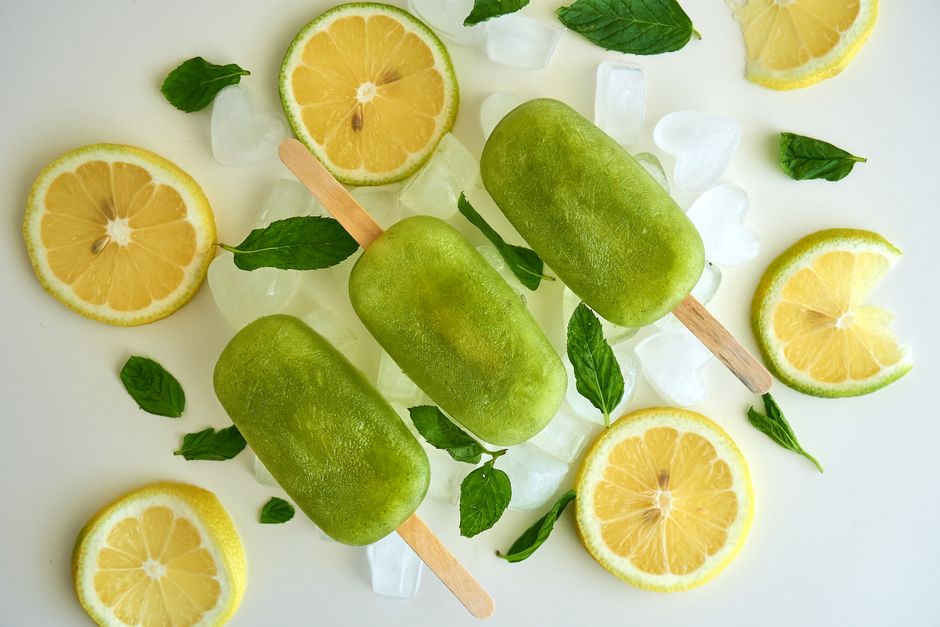
Ice pops are frozen desserts made by freezing a liquid, usually fruit juice, pureed fruit, or a sweetened dairy base, around a stick. They range from all-water fruit pops (paletas and classic popsicles) to cream-based versions closer to frozen custard on a stick. What separates a good ice pop from an icy, flavorless one is mostly sugar content and how finely the base is blended, since sugar lowers the freezing point and keeps the texture scoopable rather than rock-hard.
Varieties
Mexican paletas differ from standard popsicles mainly in production: paletas are typically made with chunks of real fruit, milk, or nuts blended directly into the base rather than clarified juice, giving a chunkier texture and more intense fruit flavor. Italian ice or water ice, though related, is a slushy, unmolded product rather than a pop on a stick, while kulfi is a dense, unchurned Indian frozen dairy dessert, closer to a cream-based ice pop than to ice cream, thickened by slow reduction of milk rather than added eggs or cream.
Buying tips
Check the ingredient list rather than the front-of-box marketing: pops labeled 'fruit juice' should list juice or puree as the first ingredient, not water followed by sugar and citric acid. For kids' lunchboxes, look for pops in the 40 to 60 calorie range with no more than 8 grams of added sugar. Buy in resealable boxes rather than pops taped together, since loose plastic sleeves tear easily and let freezer air in.
Substitutes
Frozen fruit puree in an ice cube tray — 1:1 by volume
Works when you have no popsicle molds. Freeze puree in a standard ice cube tray, then insert toothpicks once the mixture is slushy (about 1 hour in), and pop cubes out once fully frozen. Smaller portions but same flavor.
Shaved or crushed ice with fruit syrup — 1:1 by volume, syrup poured over ice
Not eaten on a stick, but delivers the same cold-fruit payoff in minutes with no freezer wait time. Best for a quick fix rather than a portable treat.
Sorbet or sherbet, softened and refrozen in molds — 1:1 by volume
Store-bought sorbet melted slightly and repoured into popsicle molds gives a smoother, less icy pop than homemade juice-only versions, since sorbet already has stabilizers and sugar syrup balanced in.
Frozen yogurt tubes or drinkable yogurt frozen in molds — 1:1 by volume
Substitutes for cream-based ice pops when you want a tangier, lower-fat result. Freezes slightly harder than a custard-based pop, so let it sit 5 minutes before eating.
Storage
Keep ice pops in the coldest part of the freezer (the back, not the door) at 0°F (-18°C) or below. Once unmolded, wrap each pop individually in plastic wrap or wax paper and store in a zip-top freezer bag to prevent ice crystals and freezer odors from transferring. Homemade fruit pops keep their texture for about 2 to 3 weeks; after that they get progressively icier as water separates out. Store-bought pops with stabilizers last several months.
How to use
Beyond eating them straight, blended or melted ice pops make a fast base for slushies (blend with a splash of soda or juice), can be layered into a trifle or icebox cake once slightly thawed, or dropped into sparkling wine or lemonade as a self-chilling, flavor-adding ice cube for drinks.
What it pairs with
Fruit pops pair well as a palate cleanser after grilled or spicy food. Cream-based pops go with a drizzle of chocolate or a roll in crushed nuts or crushed graham crackers right after unmolding, while the surface is still slightly tacky. Citrus and berry pops work well dropped into iced tea or lemonade instead of ice cubes.
Nutrition
Fruit-based ice pops made from pureed whole fruit carry some fiber and vitamin C, but most store-bought versions are mainly sugar water with added flavoring, typically 60 to 100 calories and 12 to 20 grams of sugar per pop. Cream-based pops add saturated fat on top of that sugar load, so portion size matters more than the 'frozen fruit' label suggests.
FAQ
Why do homemade ice pops turn out icy instead of smooth?
Low sugar content is the main cause. Sugar depresses the freezing point and disrupts ice crystal formation, so a base that's mostly water with little sugar (like plain diluted juice) freezes into large, crunchy crystals. Using full-strength juice or adding 2 to 3 tablespoons of sugar or honey per cup of liquid produces a softer, more scoopable pop.
How long does it take for ice pops to fully freeze?
Standard popsicle molds need at least 4 to 6 hours at 0°F (-18°C), though overnight freezing gives the most consistent texture. Smaller ice-cube-tray-sized pops freeze in about 2 to 3 hours.
Can you refreeze ice pops that have melted?
Yes, but the texture suffers noticeably. Melting and refreezing breaks down the structure further, so a pop that's already been refrozen once will be icier and grainier than the original. It's still safe to eat as long as it stayed cold and wasn't left out for an extended time.
Why do ice pops stick to the mold and how do you get them out cleanly?
Ice expands and grips the plastic ridges inside the mold as it freezes solid. Run the outside of the mold under warm (not hot) water for 10 to 15 seconds, which melts just enough of the outer layer to release the pop without turning the rest to mush.
Have ice pops on hand? Find recipes with our Recipe Generator →