
Jerk Seasoning
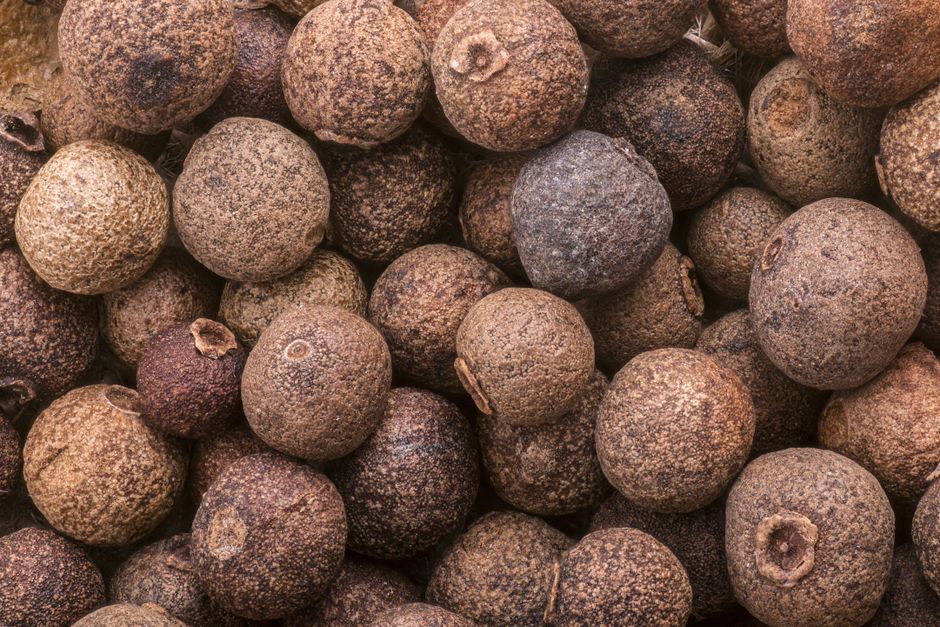
Jerk seasoning is a Jamaican spice blend built around ground allspice (called pimento in Jamaica), Scotch bonnet pepper, and fresh thyme, rounded out with garlic, ginger, scallion, black pepper, and often cinnamon, nutmeg, and brown sugar. It exists in two main forms: a dry rub of ground and dried spices, and a wet marinade or paste that blends the same core flavors with scallion, garlic, ginger, and Scotch bonnet into a spoonable, spreadable mixture.
Varieties
Dry jerk rub and wet jerk marinade are not interchangeable at the same ratio: the wet version includes fresh aromatics and often oil, so it coats meat more evenly and adds moisture, while the dry rub relies on the meat's own juices and a marinating period to work its way in. Recipes calling for jerk seasoning without specifying which form usually mean the dry rub.
Buying tips
Check the ingredient list before the heat level: a jerk seasoning with salt or sugar listed first is diluted, while one that lists allspice, Scotch bonnet (or habanero), and thyme near the top is more authentic. Jarred wet marinades vary enormously in Scotch bonnet content, so taste a small amount before committing a whole batch of meat to it.
Substitutes
Homemade jerk blend (allspice, cayenne, thyme, garlic powder, onion powder, brown sugar, cinnamon, nutmeg) — 1:1
Combine 2 tsp ground allspice, 1 tsp cayenne, 1 tsp dried thyme, 1 tsp garlic powder, 1 tsp onion powder, 1 tsp brown sugar, and a pinch each of cinnamon and nutmeg. This is the closest match to a store-bought dry rub.
Allspice, cayenne, and dried thyme (simple 3-spice stand-in) — 3:1:1 by volume
Mix 3 parts ground allspice, 1 part cayenne, and 1 part dried thyme. Missing the sweetness and depth of a full blend but covers the essential jerk flavor in a pinch.
Cajun seasoning with a pinch of allspice and cinnamon added — 1:1 plus 1/4 tsp allspice and a pinch of cinnamon per tablespoon
Cajun blends bring salt, paprika, and garlic but no allspice; the addition pushes it closer to jerk. The flavor still leans more smoky-savory than sweet-warm.
Jamaican green seasoning plus hot sauce — 2 tbsp green seasoning plus 1 tsp Scotch bonnet hot sauce per tablespoon of jerk called for
Green seasoning (scallion, garlic, thyme, pepper, herbs) covers the aromatic base; the hot sauce adds the Scotch bonnet heat that green seasoning alone lacks.
Storage
Dry jerk rub keeps well in a sealed jar in a cool, dark cupboard for 6 to 12 months, though the ground allspice and cinnamon lose potency after about 6. Wet jerk marinade or paste should stay refrigerated and used within 2 weeks; it also freezes well in small portions for up to 3 months, which is useful since a batch is usually made in bulk.
How to use
Dry rub gets massaged directly onto chicken, pork, or fish at least 30 minutes before cooking, though jerk chicken traditionally marinates overnight for the flavor to penetrate. Wet marinade works the same way but also functions as a basting liquid on the grill. Beyond meat, jerk seasoning works well stirred into black bean soup, tossed with roasted sweet potatoes or plantains, or mixed into a marinade for grilled shrimp and tofu.
What it pairs with
Pairs naturally with lime juice, coconut milk, grilled pineapple, rice and peas, and fried plantains. A cold, slightly sweet drink like ginger beer or a fruit punch balances the heat well.
Nutrition
A dry rub is almost entirely spices and contributes negligible calories per serving, though sodium content varies widely between brands, some add significant salt as a filler. Wet marinades and pastes often include oil and sugar, adding more calories per tablespoon than the dry version.
FAQ
What gives jerk seasoning its signature flavor?
Ground allspice (pimento) is the defining note, providing warm, clove-like depth that's backed up by fresh thyme and the fruity heat of Scotch bonnet pepper. Remove the allspice and it stops tasting like jerk.
Is jerk seasoning always very spicy?
Traditional Jamaican jerk is meant to have real heat from Scotch bonnet, one of the hotter chile varieties, but many commercial blends tone this down significantly. Check the label or make it from scratch if a specific heat level matters.
What's the difference between jerk seasoning and Cajun seasoning?
Cajun seasoning is built around paprika, garlic, onion, and cayenne with no allspice, giving it a smokier, more savory profile, while jerk seasoning is sweeter and warmer from allspice, cinnamon, and nutmeg alongside the heat.
Can jerk seasoning be used on something other than chicken?
Yes. It works well on pork, fish, shrimp, and tofu, and dry rub versions are also good stirred into bean dishes, roasted vegetables, or even popcorn for a spiced snack.
Have jerk seasoning on hand? Find recipes with our Recipe Generator →