
Limoncello Spritz
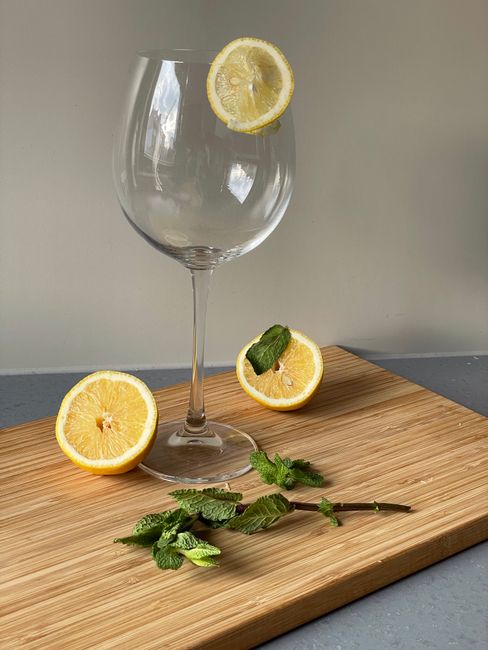
A limoncello spritz is an Italian aperitivo built from three parts: limoncello (a bright, sweet lemon liqueur from southern Italy), prosecco, and a splash of sparkling water, poured over ice in a wine glass. It's a lighter, sweeter riff on the Aperol spritz, with the bitter orange swapped for pure lemon, and it's typically served before a meal or on a warm afternoon rather than as an after-dinner digestivo.
Varieties
Crema di limoncello is a separate product, thicker and made with cream or milk, meant for sipping straight over ice rather than mixing into a spritz, since the dairy curdles when combined with acidic prosecco and sparkling water. Standard clear limoncello is the correct base for a spritz.
Buying tips
Look for limoncello made in Italy, ideally labeled from the Amalfi Coast, Sorrento, or Sicily, where thin-skinned, highly aromatic lemon varieties like Sfusato Amalfitano are used. The liquid should be a clear, natural pale yellow rather than an artificially bright neon color, and the label should list an ABV between 28 and 32 percent for true limoncello.
Substitutes
Vodka + fresh lemon juice + simple syrup (in place of limoncello) — 1.5 oz vodka + 0.5 oz lemon juice + 0.5 oz simple syrup per 1.5 oz limoncello called for
Won't have limoncello's thick, syrupy texture or its concentrated lemon-peel oil flavor, but comes close for color and sweetness in a pinch.
Dry cava or an inexpensive dry sparkling wine (in place of prosecco) — 1:1
Cava is drier than prosecco, so the spritz will taste slightly less fruity and a touch more tart; both work at the same pour.
Tonic water (in place of plain sparkling water) — 1:1
Adds a faint bitterness and quinine edge that plays well against limoncello's sweetness, though it changes the drink from purely fruity to slightly bittersweet.
Lemon sorbet syrup (melted) + sparkling water (non-alcoholic version) — 1.5 oz melted lemon sorbet per 1.5 oz limoncello, topped with sparkling water instead of prosecco
Gives real lemon flavor and sweetness without alcohol, though the finished drink is noticeably less dry and more dessert-like.
Storage
An unopened bottle of limoncello keeps for years in a cool, dark cupboard thanks to its high sugar and alcohol content. Once opened, store it in the freezer or fridge, since it's meant to be served ice-cold and stays perfectly drinkable there for a year or more. The mixed spritz itself should not be stored; once prosecco is added the bubbles and freshness fade within about 20 minutes, so build it to order.
How to use
Build in a large wine glass over ice using a 3-2-1 ratio: 3 parts prosecco, 2 parts limoncello, 1 part sparkling water, stirred gently once to combine. Garnish with a lemon wheel and a sprig of mint or basil. Serve immediately after mixing so the prosecco doesn't go flat. It also works swapped into a pitcher for batches: multiply the ratio by the number of servings and add ice and garnish at the last minute, right before pouring.
What it pairs with
Pairs well with salty, savory bites that offset its sweetness: prosciutto, marinated olives, fried calamari, and hard cheeses like pecorino. It also works alongside light seafood dishes and lemon-based desserts without competing for the same flavor.
Nutrition
A standard limoncello spritz made with the 3-2-1 ratio runs roughly 180 to 220 calories per glass, most of it from the sugar in the limoncello and prosecco. Alcohol content of the finished drink is generally around 8 to 10 percent ABV, lower than a straight glass of wine because it's diluted with sparkling water and ice.
FAQ
What's the difference between a limoncello spritz and an Aperol spritz?
An Aperol spritz uses Aperol, a bitter orange-and-rhubarb aperitivo, giving it a reddish-orange color and a bittersweet flavor. A limoncello spritz uses sweet lemon liqueur instead, so it's pale yellow, sweeter, and lacks the bitter edge.
Can I make a limoncello spritz ahead of time for a party?
Pre-mix the limoncello and sparkling water in a pitcher and chill it, but hold off on adding the prosecco until you're pouring individual glasses, since prosecco loses its carbonation quickly once combined with the other ingredients.
Why does my limoncello spritz taste too sweet?
This usually means too much limoncello relative to prosecco and sparkling water. Stick closer to the 3-2-1 ratio, or use a drier sparkling wine and add a squeeze of fresh lemon juice to balance the sugar.
Does limoncello go bad after opening?
It doesn't spoil in the traditional sense because of its high sugar and alcohol content, but its bright lemon aroma fades gradually after about a year, even when kept cold, so it's best used within that window for the freshest flavor.
Have limoncello spritz on hand? Find recipes with our Recipe Generator →