
Liquid Aminos
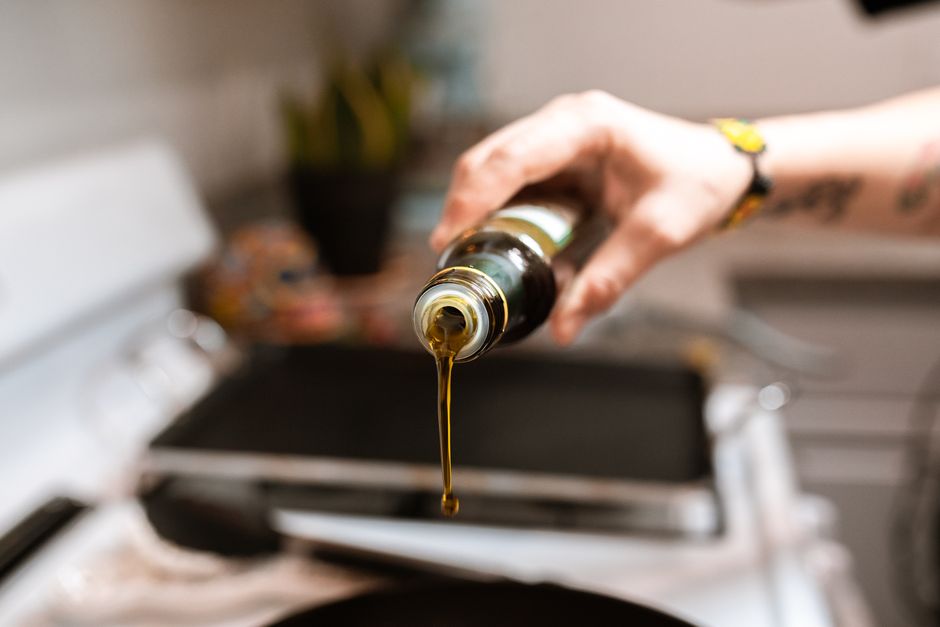
Liquid aminos is a dark, salty seasoning sauce made by acid-hydrolyzing soybeans to break them down into free amino acids, rather than fermenting them the way soy sauce is made. The result tastes close to soy sauce, savory and salty with a mild sweetness, but it isn't technically fermented and many versions are labeled non-GMO and gluten-free. Bragg Liquid Aminos is the best-known brand, though other companies now make similar soy-based versions.
Varieties
Soy-based liquid aminos (like Bragg) and coconut aminos are often confused but are not interchangeable without adjustment. Coconut aminos are sweeter and roughly half as salty, so recipes calling for soy-based liquid aminos may taste flat if coconut aminos are swapped in without added salt.
Buying tips
Check the ingredient list: some liquid aminos are soy-based (closer to soy sauce), while others marketed as 'coconut aminos' are a different product made from coconut sap. Compare sodium per serving across brands since it varies more than people expect.
Substitutes
Soy sauce — 1:1
Nearly identical color and saltiness, though soy sauce has a deeper fermented flavor from natural brewing. Not gluten-free unless labeled tamari-style.
Tamari — 1:1
The closest gluten-free match, slightly thicker and less sharp than regular soy sauce.
Coconut aminos — 1.25:1
Noticeably sweeter and about half the sodium, so dishes may need a pinch of added salt to match the savory punch of liquid aminos.
Worcestershire sauce — to taste
Brings tang and anchovy-driven depth that liquid aminos doesn't have, so it works as a flavor substitute in marinades but not as a direct swap in stir-fries.
Salt water with a splash of rice vinegar — to taste
An emergency substitute when no bottled sauce is on hand; dissolve 1/4 teaspoon salt into 1 tablespoon water with a few drops of rice vinegar for a rough flavor stand-in.
Storage
Liquid aminos doesn't require refrigeration because of its salt content, so it can be kept in a cool, dark pantry after opening. Refrigerating it isn't necessary but can slightly extend freshness and won't harm the flavor.
How to use
Use it exactly as you would soy sauce: in stir-fry sauces, marinades, salad dressings, fried rice, and grain bowls. It's also popular drizzled directly over popcorn, roasted vegetables, or steamed greens since it doesn't need cooking to taste good.
What it pairs with
Works well with toasted sesame oil, fresh ginger, garlic, and rice vinegar in Asian-style dressings and marinades, and complements roasted broccoli, edamame, and grilled tofu or chicken.
Nutrition
A tablespoon runs about 5 to 10 calories with roughly 1 gram of carbs and negligible fat, but sodium is significant, often around 480 to 900 milligrams per tablespoon depending on the brand, so it should be treated as a salt source when balancing a recipe.
FAQ
Is liquid aminos the same as soy sauce?
They're similar in flavor and use but made differently. Soy sauce is naturally fermented over weeks or months, while liquid aminos is produced through acid hydrolysis of soy protein, a faster chemical process rather than fermentation.
Is liquid aminos gluten-free?
Most soy-based liquid aminos brands, including Bragg, are labeled gluten-free because they're made without wheat, unlike traditional soy sauce which typically contains wheat.
Is liquid aminos healthier than soy sauce?
Nutritionally the two are close, both are low-calorie and high-sodium. Liquid aminos isn't meaningfully lower in sodium unless the specific product label says so.
Can I use liquid aminos in place of salt in a recipe?
Yes, in savory dishes it can replace some or all added salt, but because it also adds color and a mild soy flavor, it's best used in dishes where a slightly savory, brown-toned seasoning already fits, like stir-fries or braises.
Have liquid aminos on hand? Find recipes with our Recipe Generator →