
Madras Curry Powder
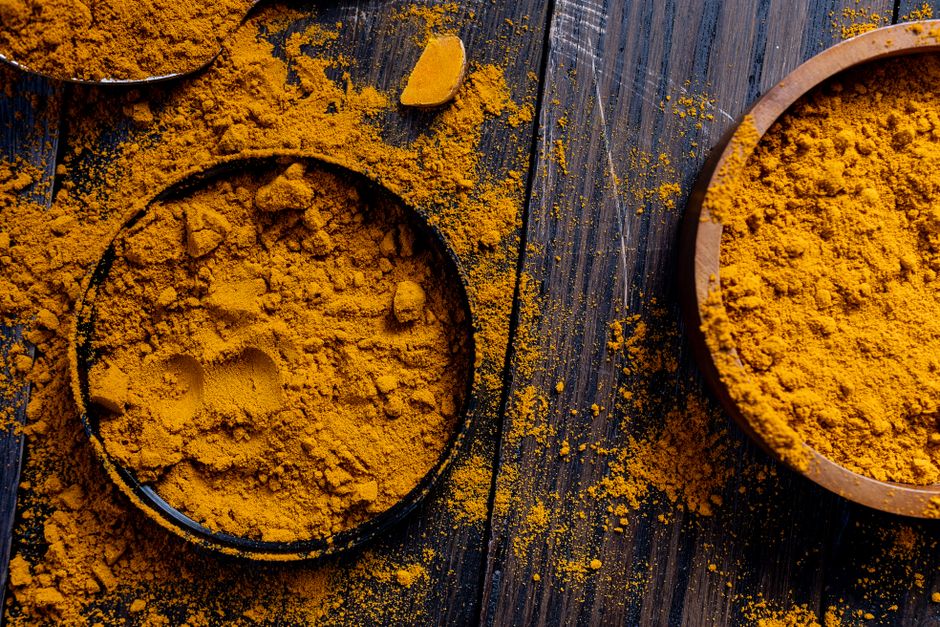
Madras curry powder is a hot, reddish-brown spice blend named after the city of Madras (now Chennai) in southern India, though the blend itself is a British colonial invention rather than a traditional Indian masala. It combines coriander, turmeric, cumin, fenugreek, black pepper, and a heavier dose of dried chile than standard curry powder, giving it a noticeably spicier, more assertive heat and a deeper red color.
Varieties
Madras curry powder is hotter and redder than standard 'mild' or 'medium' curry powder due to extra chile, but it's still a British-created blend, not a traditional South Indian masala. In actual South Indian cooking, cooks typically grind fresh masalas for each dish rather than using a single all-purpose jarred powder.
Buying tips
Check the ingredient list: a genuine Madras blend should list chile or cayenne near the top alongside coriander and turmeric, not just paprika for color. Buy in small tins or jars since pre-ground chile loses heat and aroma within a few months of opening.
Substitutes
Standard curry powder plus cayenne — 1 tbsp curry powder + 1/4 tsp cayenne per 1 tbsp Madras
Mix mild curry powder with a pinch of cayenne or chili powder to approximate the extra heat of Madras.
Homemade blend (coriander, cumin, turmeric, chile, fenugreek) — 1:1
Combine 2 parts ground coriander, 1 part cumin, 1 part turmeric, 1 part chili powder, and a pinch of ground fenugreek and black pepper.
Vindaloo paste or powder — Use half the amount called for
Much hotter and often includes vinegar or tamarind, so cut the quantity and adjust other acidic ingredients in the recipe.
Garam masala plus turmeric and chile — 1:1 garam masala, plus 1/2 tsp turmeric and 1/4 tsp cayenne per tbsp
Garam masala lacks turmeric's color and chile's heat, so both need to be added back separately.
Storage
Keep in a sealed, airtight container away from light and heat. Ground spice blends like Madras curry powder lose potency faster than whole spices, so use within 6 months for best flavor and discard if the color fades or the aroma weakens noticeably.
How to use
Bloom in hot oil or ghee for 30 to 60 seconds before adding onions, garlic, and ginger to build a curry base. Common in Madras-style lamb or chicken curries, dals, and vegetable curries where a sharper heat is wanted. Also works stirred into marinades for grilled meats or mixed into yogurt for a quick raita with a kick.
What it pairs with
Pairs well with coconut milk, tomatoes, tamarind, and curry leaves in South Indian style curries, and balances well against cooling sides like cucumber raita or plain basmati rice.
Nutrition
Used in small spoonfuls, Madras curry powder contributes negligible calories but brings turmeric's curcumin, capsaicin from the chile content, and modest iron and manganese from the coriander and cumin.
FAQ
Is Madras curry powder the same as curry powder used in Madras, India?
No. It's a British colonial-era product created to approximate South Indian flavors for Western kitchens; home cooks in Chennai generally use freshly ground, dish-specific spice blends instead.
How hot is Madras curry powder compared to regular curry powder?
It's noticeably spicier, roughly comparable to adding a quarter to half teaspoon of cayenne to a standard mild curry powder, though heat levels vary by brand.
Can Madras curry powder replace garam masala in a recipe?
Not directly. Garam masala is warm and slightly sweet without turmeric or much heat, while Madras curry powder is earthier, more bitter from turmeric, and spicier.
Does Madras curry powder contain curry leaves?
No, it's a dry ground spice mix and doesn't include fresh or dried curry leaves, which are a separate ingredient used whole in many South Indian dishes.
Have madras curry powder on hand? Find recipes with our Recipe Generator →