
Manicotti Shells
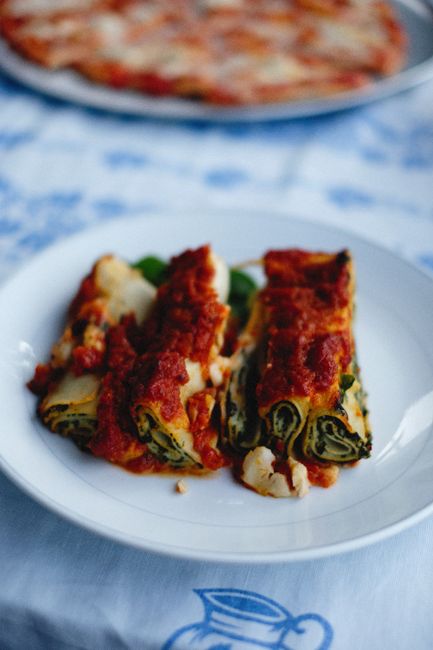
Manicotti shells are large, ridged, tube-shaped dried pasta, roughly 3 to 4 inches long and wide enough to hold a generous cheese filling. They're an Italian-American staple, boiled just until pliable, stuffed with a ricotta mixture, then baked under sauce and cheese until the filling sets. The wide diameter and sturdy ridges are what make them easy to stuff without collapsing.
Varieties
Manicotti and cannelloni are often confused but aren't identical. Manicotti are typically ridged, wider, and an Italian-American product made from dried semolina pasta. Cannelloni are the Italian original, smooth-walled, slightly narrower, and traditionally made by rolling fresh pasta sheets or crepes around a filling rather than boiling a pre-formed tube.
Buying tips
Check the box for cracked or broken shells before buying, since damaged shells split further during boiling. Barilla and Ronzoni both make widely available manicotti with consistent wall thickness; thinner off-brand shells tend to tear when stuffed.
Substitutes
Cannelloni tubes — 1:1, one tube per shell
Cannelloni are the closest match, a smooth-sided Italian tube slightly narrower than manicotti. Fill the same way and add a minute or two more baking time since the walls are thinner.
Jumbo pasta shells (conchiglioni) — 1:1, one shell per shell
Easier to stuff with a spoon than a tube since they're open on one side, and they hold sauce well in the curved bowl shape. Boil a minute less since they're thinner and tear if overcooked.
Fresh crepes, rolled around filling — 1 crepe per shell
A common gluten-free swap and the traditional base for Italian cannelloni before dried pasta versions existed. No boiling needed, just spoon filling onto a warm crepe and roll.
Lasagna sheets, rolled by hand — roughly 1 sheet per shell
Boil a sheet until pliable, spread filling across it, and roll into a tube. Sheet sizes vary too much by brand for a clean per-unit swap, so expect to trim and adjust filling amount by eye.
Storage
Store unopened boxes of dry manicotti shells in a cool, dry pantry for up to two years. Once boiled and stuffed, refrigerate the assembled baking dish covered for up to two days before baking, or freeze unbaked for up to two months and add about 20 minutes to the bake time from frozen.
How to use
Boil shells for 1 to 2 minutes less than the package's al dente time since they'll finish softening in the oven, then drain and cool briefly so they're easy to handle without tearing. Stuff using a piping bag or a zip-top bag with the corner cut off for speed and less mess, then arrange in a sauced baking dish, cover with more sauce and cheese, and bake covered at 375°F for 25 to 30 minutes.
What it pairs with
Classic pairings are a ricotta-spinach or ricotta-Italian sausage filling under marinara or a simple tomato-basil sauce, finished with mozzarella and parmesan. A béchamel or alfredo sauce works well for a white-sauce version with mushroom or chicken filling.
Nutrition
A single dry manicotti shell (about 20g) provides roughly 70 calories, mostly from carbohydrates, with a small amount of protein and almost no fat. The bulk of a stuffed manicotti's calories, fat, and protein come from the ricotta and cheese filling, not the pasta itself.
FAQ
How do you keep manicotti shells from tearing while stuffing them?
Undercook them by a minute or two so they're pliable but still firm, then let them cool for a few minutes before filling. Piping the filling in from one end with a bag rather than a spoon puts less stress on the shell walls.
Can you skip boiling and use no-boil manicotti shells?
Some brands sell no-boil manicotti meant to soften from the sauce's moisture during baking, but they need extra sauce coverage and a longer covered bake time, usually 45 to 50 minutes, since there's no head start from boiling water.
Are there gluten-free manicotti shells?
Yes, brown rice and corn-based manicotti shells are sold by brands like Tinkyada and Jovial, but they're more fragile than wheat versions and benefit from being slightly undercooked and handled gently when stuffing.
Can stuffed manicotti be frozen before baking?
Yes. Assemble the dish fully with sauce and cheese, cover tightly, and freeze for up to two months. Bake from frozen at 375°F for about 50 minutes covered, then uncover for the last 10 minutes to brown the cheese.
Have manicotti shells on hand? Find recipes with our Recipe Generator →