
Mead
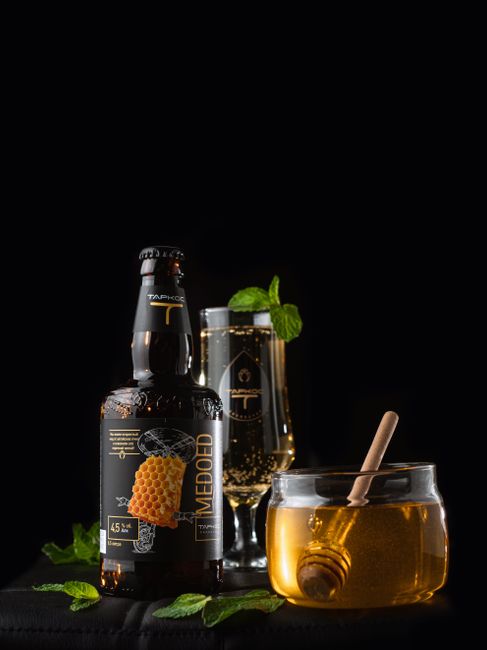
Mead is a fermented alcoholic beverage made from honey, water, and yeast, often considered the oldest fermented drink in human history. Unlike wine or beer, it has no grape or grain base; the honey provides all the fermentable sugar, which gives mead a rounder, less acidic profile than wine and a wide range of sweetness levels depending on how much sugar the yeast leaves behind.
Varieties
Traditional mead uses only honey, water, and yeast. Melomel adds fruit (raspberry or blackberry meads are common), cyser is fermented with apples or apple juice, pyment is fermented with grapes closer to a honey wine hybrid, and metheglin includes spices like cinnamon or clove. Each style shifts both the flavor and the ideal serving temperature.
Buying tips
Check the label for a sweetness indicator (dry, semi-sweet, or sweet) since mead varies more widely in sugar level than most wines. Also note the style: traditional mead is honey and water only, while melomel includes fruit, metheglin includes spices or herbs, and cyser is made with apple juice in place of some water.
Substitutes
Dry white wine plus honey — 1 cup wine + 1 tablespoon honey per 1 cup mead
Closest substitute for cooking; the honey restores the sweetness and slight viscosity mead brings to sauces and marinades.
Hard apple cider plus honey — 1 cup cider + 2 teaspoons honey per 1 cup mead
Good in recipes where mead's fruit-forward, slightly tart edge matters, such as glazes for pork or poultry.
Dry sherry — 3/4 cup sherry per 1 cup mead
More concentrated and nutty than mead, so use a bit less and expect a drier finish in the final dish.
Storage
Unopened mead keeps like wine: store bottles upright or on their side in a cool, dark place away from temperature swings. Once opened, recork or cap tightly and refrigerate; still mead holds its flavor for about 5 to 7 days, while sparkling mead loses its carbonation within a day or two and is best finished quickly.
How to use
Drink still, dry meads chilled around 50-55°F and sweeter or spiced meads slightly warmer, closer to 60°F, to let the honey aromatics open up. In cooking, mead works as a substitute for white wine or sherry in pan sauces, glazes for ham or duck, and mulled drinks, where its natural sweetness can reduce the need for added sugar.
What it pairs with
Dry mead pairs well with roasted chicken, pork, and firm aged cheeses like gouda or manchego. Sweeter meads and spiced metheglin styles suit desserts, blue cheese, or grilled meats with a fruit glaze.
Nutrition
A standard 5-ounce pour of mead runs roughly 150-250 calories depending on sweetness and alcohol content, generally higher than a comparable pour of dry wine because of the residual honey sugars.
FAQ
Is mead a type of wine or a type of beer?
Neither, technically. It's its own category since it ferments honey rather than fruit (wine) or grain (beer), though its production process and alcohol range, roughly 8% to 18% ABV, sit closer to wine.
Does mead need to be refrigerated before opening?
No, an unopened bottle stores fine at cool room temperature the same way wine does; refrigeration is only needed after opening to slow further oxidation and flavor loss.
Can mead go bad?
It doesn't spoil in a dangerous sense because of its alcohol content, but oxidation flattens the honey aroma and turns the flavor dull or vinegary within a couple of weeks of exposure to air.
Is mead gluten-free?
Traditional mead made only from honey, water, and yeast is naturally gluten-free; check the label if the mead includes added flavorings or was aged in a shared facility with grain-based beverages.