
Milanesa Steak
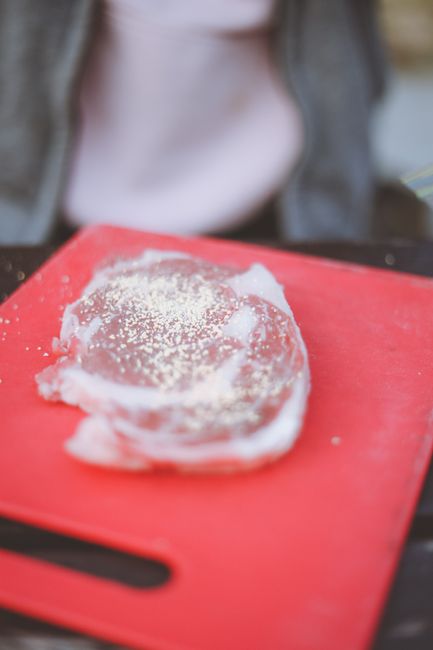
Milanesa steak is a thin, pounded cutlet of beef, most often cut from top round, eye of round, or sirloin tip, flattened to about a quarter inch thick. It's the base for milanesa, a breaded and pan-fried dish common across Argentina, Uruguay, Paraguay, and parts of Mexico, similar in concept to schnitzel but seasoned differently and usually made with beef rather than veal or pork.
Varieties
Milanesa de res uses beef, milanesa de pollo uses chicken, and milanesa de cerdo uses pork; all follow the same breading and frying method. Milanesa napolitana refers specifically to the beef version topped with ham, cheese, and tomato sauce and baked briefly after frying.
Buying tips
Many Latin American grocers sell beef already labeled and cut for milanesa; otherwise ask a butcher for top round or eye of round sliced about half an inch thick, which you then pound down yourself. Choose cutlets of even thickness so they cook uniformly and finish crisping at the same time.
Substitutes
Chicken breast cutlet (milanesa de pollo) — 1:1 by weight
Lighter and milder; pound to the same quarter-inch thickness so it cooks through in the same time as the beef version.
Pork loin cutlet — 1:1 by weight
Slightly fattier than beef round but breads and fries the same way; common in Uruguayan-style milanesas.
Veal cutlet — 1:1 by weight
The traditional choice for schnitzel-style preparations; more tender than beef round but pricier and harder to find.
Eye of round steak — 1:1 by weight
A leaner, cheaper alternative to top round; needs a firmer pounding since it's slightly tougher raw.
Flank steak, pounded thin — 1:1 by weight
Adds more beefy flavor and a bit more fat; cut against the grain before pounding so the fried cutlet isn't chewy.
Storage
Keep raw, unbreaded cutlets in the coldest part of the refrigerator and use within 1 to 2 days. For longer storage, freeze cutlets flat with parchment between layers for up to 3 months; thaw in the refrigerator before breading. Already breaded, uncooked milanesas can be frozen the same way and fried straight from frozen with a slightly longer cook time.
How to use
Bread with flour, egg, and breadcrumbs (often mixed with garlic and parsley) and shallow-fry until golden on both sides. Serve as milanesa napolitana topped with ham, cheese, and tomato sauce, tucked into a sandwich (milanesa al pan), or plain alongside mashed potatoes, fries, or a simple lettuce and tomato salad with lemon wedges.
What it pairs with
Pairs well with lemon wedges, garlic and parsley chimichurri, mashed potatoes, or a fried egg on top (milanesa a caballo). A simple tomato and onion salad with vinegar cuts through the richness of the fried crust.
Nutrition
The raw cut itself is lean, but breading and frying add a meaningful amount of calories and fat. Baking or air-frying breaded cutlets cuts fat noticeably compared to pan-frying in oil.
FAQ
What cut of beef is best for milanesa?
Top round, eye of round, or sirloin tip are standard because they're lean and slice into thin, even cutlets that pound out easily without shredding.
How thin should the meat be pounded?
About a quarter inch, though many cooks go closer to an eighth inch for a thinner, crispier result that cooks in under 3 minutes per side.
What's the difference between milanesa and schnitzel?
Both are breaded, pan-fried cutlets, but schnitzel is traditionally veal or pork with a plain flour-egg-breadcrumb coating, while milanesa is usually beef and often has garlic and parsley mixed into the egg wash or breadcrumbs.
Can milanesa be made without breading?
That's just a thin steak at that point, not milanesa; the breaded crust is what defines the dish and gives it its characteristic crunch.
Have milanesa steak on hand? Find recipes with our Recipe Generator →