
Mini Muffins
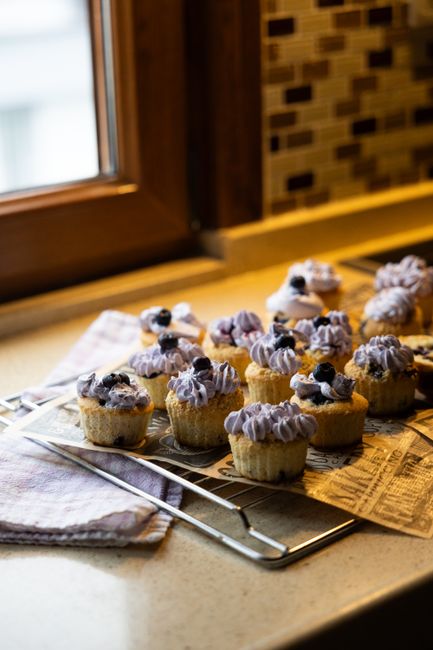
Mini muffins are simply a standard muffin batter baked in a smaller cavity, usually about 1.75 inches across and holding 1 to 1.5 tablespoons of batter, compared to the 1/3 to 1/2 cup a standard muffin cup holds. A standard mini muffin tin has 24 cavities instead of the usual 12, and the smaller mass means they bake in roughly a third of the time. Almost any muffin, quick bread, or even cornbread batter can be scaled down this way without changing the recipe itself.
Varieties
Savory mini muffins (cornbread, cheese and herb) use less sugar and often more salt and fat per bite than sweet versions, so they're not just a smaller copy of a dessert muffin, they're formulated differently to hold flavor in a small bite.
Buying tips
For pans, choose heavy-gauge nonstick steel with 24 cavities; thin pans warp and bake unevenly. For pre-made mini muffins at the store, check the ingredient list length since bite-sized bakery items often carry more preservatives to stay fresh in multi-piece packaging.
Substitutes
Standard muffin tin, cups filled 1/3 full — 3 mini muffins : 1 standard muffin
Fill each standard cup only a third of the way to mimic mini muffin volume, and check them starting at 10 minutes since they'll still bake faster than a fully filled cup.
Silicone mini muffin mold — 1:1
Bakes evenly and releases without greasing, but the batter takes about 1-2 minutes longer since silicone conducts heat more slowly than metal.
Mini loaf pan or mini bundt pan — not directly convertible
Works for the same batter but changes the shape and roughly doubles the bake time; better suited to gift-sized portions than true mini muffin texture.
Foil mini muffin liners set directly on a baking sheet — 1:1
Only works with thicker batters that hold their shape; thin batters will spread and lose the domed mini muffin shape.
Storage
Cool completely before storing. Keep in an airtight container at room temperature for 2 to 3 days, or refrigerate up to a week if they contain cream cheese, fruit, or dairy-heavy fillings. Mini muffins freeze well for up to 3 months; freeze in a single layer first, then bag them so they don't crush.
How to use
Common in lunchboxes, brunch spreads, party trays, and baby-led weaning because of the portion size. Savory versions (cheese, cornbread, herb) work as appetizer bites, and sweet versions are often dipped rather than eaten plain since the smaller surface area holds glaze or sugar coating well.
What it pairs with
Sweet mini muffins pair well with coffee, plain yogurt, or a fruit compote for dipping. Savory mini muffins (cheddar, cornbread, herb) pair with soup, chili, or a charcuterie board as a bread substitute.
Nutrition
A mini muffin generally runs a third to a quarter of the calories of a standard muffin from the same batter, which makes them useful for portion control without changing the recipe.
FAQ
How do I convert a regular muffin recipe to mini muffins?
Use the same batter, fill each mini cup about two-thirds full, and reduce the oven time to roughly a third of the original, checking at 8 to 10 minutes for a batter that normally bakes 20 to 25 minutes as standard muffins.
Do I need to grease a mini muffin tin?
Yes, even nonstick tins benefit from a light grease or spray in the small cavities, since batter with sugar or fruit is more likely to stick in tight corners than in a larger standard cup.
Why did my mini muffins turn out dry?
Overbaking is the most common cause. Because mini muffins have so little batter mass, even one extra minute in the oven can dry them out; pull them as soon as a toothpick comes out with a few moist crumbs.
Can I use paper liners in a mini muffin tin?
Yes, mini paper liners are sold specifically for this size and prevent sticking, though liner-free (greased) mini muffins tend to develop a slightly crisper edge.
Have mini muffins on hand? Find recipes with our Recipe Generator →