
Mint Peas
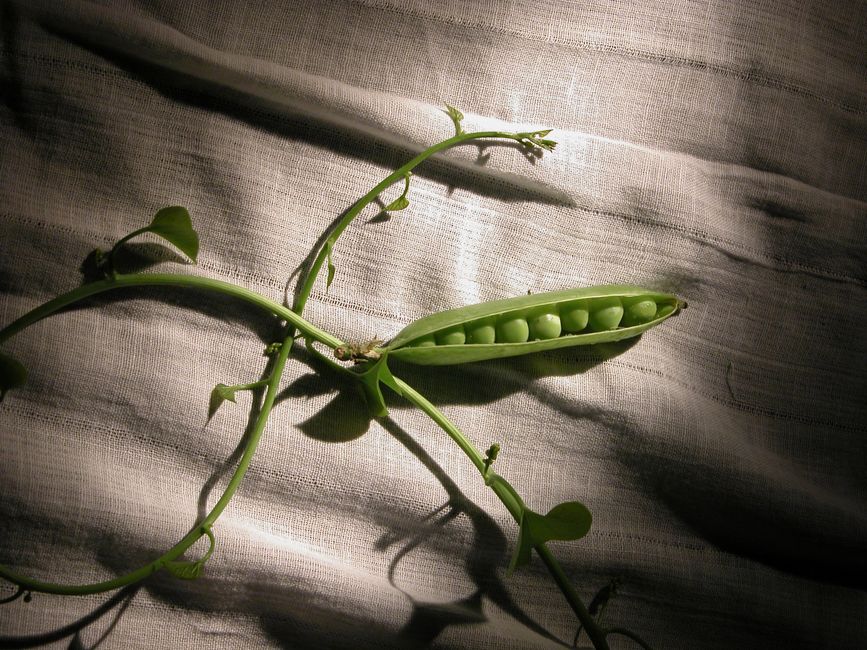
Mint peas is the classic pairing of sweet green peas, fresh or frozen, cooked briefly and tossed with fresh mint and usually a knob of butter. It's a staple British side dish (often served alongside fish and chips or a Sunday roast) and shows up across Middle Eastern and Mediterranean cooking as well, where the mint's cool sharpness cuts through the peas' natural sweetness and any richness on the plate.
Varieties
Spearmint is the standard choice for mint peas; its flavor is rounder and less intense than peppermint, which can overwhelm the dish with a medicinal edge. For the peas themselves, English garden peas (also called shelling peas) are the traditional choice, distinct from edible-pod varieties like sugar snap or snow peas.
Buying tips
For fresh peas in the pod, look for bright green, firm, well-filled pods; avoid ones that look shriveled or yellowing, which signal they've been sitting too long and will taste starchy rather than sweet. For mint, choose bunches with perky, unwilted leaves and no dark or slimy spots at the stems. Spearmint (not peppermint) is the variety typically used for savory dishes like this since peppermint's flavor is sharper and better suited to desserts.
Substitutes
Dried mint instead of fresh — 1:3
Use about one-third the amount of dried mint compared to fresh, and add it earlier in cooking since dried mint needs time to rehydrate and release flavor.
Fresh basil instead of mint — 1:1
Milder and sweeter than mint, without the cooling menthol note. Works well if serving alongside tomato-based or Italian-leaning mains.
Fresh parsley plus a small pinch of sugar — 1:1
Parsley won't replicate mint's flavor but adds fresh green color and a similar herbal lift; the sugar pinch approximates the sweetness mint tends to enhance.
Frozen peas instead of fresh peas — 1:1 by volume
Frozen peas are picked and flash-frozen at peak sweetness, so they're often more reliably sweet than fresh peas that have sat for days. Add them straight from frozen; they only need 2-3 minutes in simmering water.
Sugar snap peas or snow peas instead of shelled peas — 1:1 by weight, sliced
Slice on the diagonal before cooking. They hold more crunch and a slightly grassier flavor than shelled garden peas.
Storage
Fresh peas in the pod keep in the refrigerator for 2-3 days before they start turning starchy; shell them just before cooking for the best sweetness. Fresh mint stays good for about a week wrapped loosely in a damp paper towel and sealed in a container in the crisper drawer. Cooked mint peas keep in the fridge for 2-3 days in a sealed container, though the mint's color and punch fade the longer it sits.
How to use
Simmer or steam peas for 3-5 minutes until just tender, then toss off heat with butter, chopped fresh mint, salt, and black pepper. Add the mint at the very end of cooking, off the heat, so it stays bright and doesn't turn bitter or muddy. Beyond the side dish, mint peas are blended into pea and mint soup, folded into risotto, mashed with butter and lemon for crostini, or stirred through pasta with ricotta.
What it pairs with
Mint peas pair naturally with roast lamb, grilled or battered fish, roast chicken, and new potatoes. They also work well stirred into risotto or pasta with lemon zest and a soft cheese like ricotta or feta.
Nutrition
Peas are a good source of plant protein and fiber for a vegetable, along with vitamin C and vitamin K. Fresh mint contributes negligible calories at the quantities typically used but adds a small amount of vitamin A and antioxidants.
FAQ
Should mint be added at the start or end of cooking peas?
At the end, off the heat. Simmering fresh mint for more than a minute or two dulls its color and can turn the flavor bitter, so stir it in right before serving.
Can frozen peas be used straight from the freezer for this dish?
Yes. Frozen peas don't need thawing; drop them directly into simmering water or a hot pan and they'll be tender in 2-3 minutes, which also helps them keep their bright color.
Why do some recipes add sugar to mint peas?
A small pinch of sugar rounds out any bitterness from the mint and boosts the peas' natural sweetness, especially useful with frozen peas that have lost a little sweetness in storage.
Is it better to use fresh or dried mint for this dish?
Fresh mint is preferred for its brighter color and cleaner flavor. Dried mint works in a pinch but has a muskier, more concentrated taste, so use less and add it earlier so it has time to soften.
Have mint peas on hand? Find recipes with our Recipe Generator →