
Mirliton
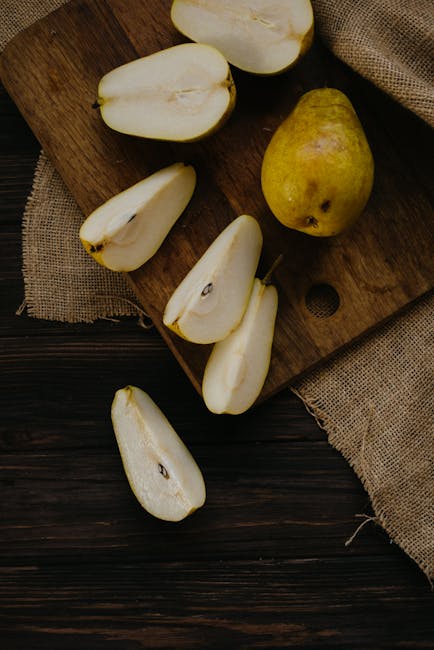
Mirliton is the Louisiana Creole and Cajun name for chayote (Sechium edule), a pale green, pear-shaped squash with ridged skin, crisp watery flesh, and a single large flat seed at the center. It has a mild, faintly cucumber-like flavor on its own, which is why Louisiana cooks lean on shrimp, ham, garlic, and breadcrumbs to give it something to carry. It's a staple in Creole holiday cooking, most famously stuffed and baked.
Varieties
Mirliton and chayote are not different varieties, they're the same plant, Sechium edule. 'Mirliton' is simply the name used in Louisiana Creole and Cajun cooking, while 'chayote' is the name used across most of the rest of the U.S. and Latin America. Some mirliton grown in Louisiana gardens are smoother-skinned than the more deeply ridged chayote typically found in grocery stores, but the flavor and texture are essentially identical.
Buying tips
Choose firm, unblemished squash that feel heavy for their size, with pale to medium green, smooth-to-lightly-ridged skin. Avoid any that are soft, shriveled, or already sprouting from the pointed end, a sign they're overripe and turning starchy and bitter.
Substitutes
Chayote squash — 1:1
This is the same vegetable under its more common national name; if a store doesn't carry 'mirliton,' ask for chayote before assuming it's out of stock.
Zucchini or yellow squash — 1:1 by weight
Softer and wetter than mirliton, with no central seed to scoop out; salt and drain sliced pieces for 15-20 minutes before cooking to avoid a mushy stuffing.
Green papaya, peeled and seeded — 1:1 by weight
Firmer and slightly more fibrous; works best in boiled or braised preparations rather than raw salads.
Jicama — 1:1 by weight
Good only for raw or lightly pickled applications, since jicama stays crunchy where mirliton softens when cooked.
Storage
Whole, unwashed mirliton keeps in the refrigerator crisper drawer for 3 to 4 weeks, longer than most squash because of its dense flesh. Once cut, wrap tightly in plastic and use within 3 to 4 days, as the exposed flesh oxidizes and turns brown at the edges.
How to use
Peel, halve, and remove the single flat seed before cooking (the seed is edible but usually discarded). Boil until fork-tender for salads and side dishes, or halve, boil briefly, scoop out the flesh, and mix it with sautéed shrimp, ham, onion, garlic, and breadcrumbs for classic stuffed mirliton. It can also be diced and simmered into gumbo or étouffée, or sliced thin and pickled.
What it pairs with
Pairs naturally with shrimp, ham, and other cured pork, garlic, onion, thyme, and buttered breadcrumbs. Also works well with lime, chile, and cilantro in raw or pickled Latin American preparations.
Nutrition
Mirliton is low in calories, around 20 per 100 grams, and provides vitamin C, folate, and potassium, along with a modest amount of fiber concentrated in the skin and just under it.
FAQ
Is mirliton the same as chayote?
Yes. They're the same squash species; mirliton is the regional Louisiana name and chayote is the more widely used name elsewhere.
Do you need to peel mirliton?
For cooked dishes, yes, the skin is edible but tough and slightly bitter once cooked. For raw, thinly sliced preparations, the skin can be left on if the squash is young and tender.
Why does mirliton make your hands sticky when you peel it?
Raw mirliton releases a sap that can leave a slightly sticky, sometimes irritating film on skin. Peeling it under running water or rubbing hands with a little oil afterward removes it.
Can mirliton be eaten raw?
Yes, thinly sliced raw mirliton has a crisp, mild, cucumber-like crunch and is common in slaws and salads with lime and chile.
What does the seed inside mirliton taste like?
The single flat seed is edible and has a mild, slightly nutty flavor, but most Creole recipes discard it since it's usually cooked to a soft, unappealing texture by the time the flesh is tender.
Have mirliton on hand? Find recipes with our Recipe Generator →