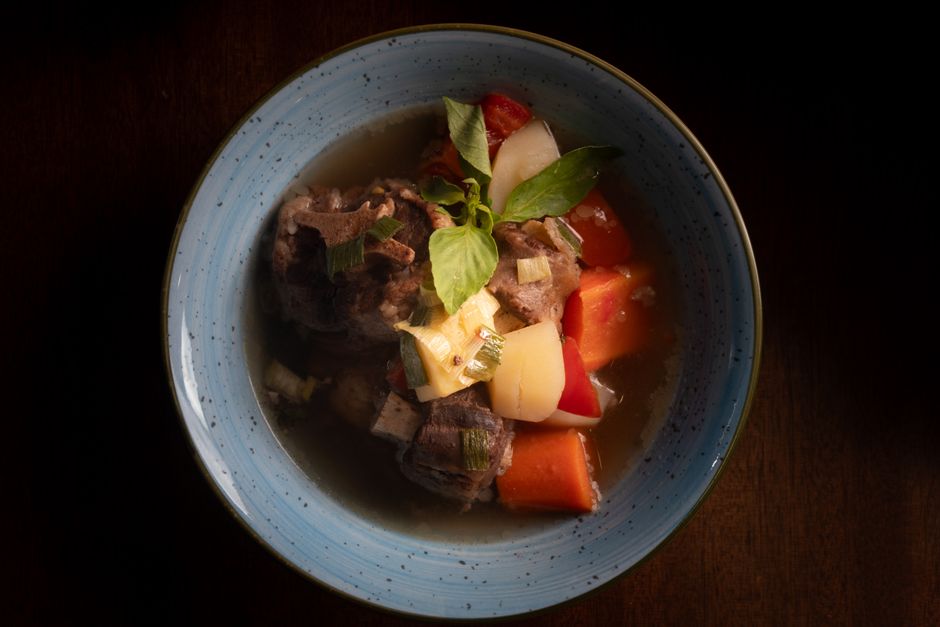
Mixed Vegetables

Mixed vegetables refers to the standard frozen or canned blend of diced carrots, peas, corn, and cut green beans, sometimes with lima beans added. It's sold pre-cut and pre-portioned specifically for convenience in soups, fried rice, pot pies, and casseroles where several vegetables are needed in small amounts. The blend is picked and processed at peak ripeness, so the vegetables inside are often more nutritionally intact than fresh produce that's traveled and sat for days.
Varieties
Some brands sell a 'California blend' (broccoli, cauliflower, carrots) or a 'stir-fry blend' under similar packaging, but these are distinct products from the classic pea-carrot-corn-green bean mix and shouldn't be swapped in for recipes calling for the standard blend without adjusting cook time and flavor expectations.
Buying tips
Check the bag for ice crystals or clumping, which signal the vegetables thawed and refroze at some point, leading to mushy texture. Give the bag a shake; the pieces should move freely rather than sticking together in a solid block. For canned, low-sodium versions taste less metallic and let you control seasoning better.
Substitutes
Fresh diced carrots, peas, corn, and green beans (homemade mix) — 1:1 by volume
Use roughly equal parts of each vegetable, diced to matchstick or pea size. Blanch 2-3 minutes before adding to dishes that won't cook long enough to soften raw carrots.
Canned mixed vegetables, drained — 1:1
Already fully cooked and soft, so add near the end of cooking to avoid mushiness. Rinse to cut the added sodium.
Frozen peas and carrots only — 1:1
A narrower substitute that skips corn and green beans; works fine in dishes where those flavors aren't essential, like pot pie filling.
Stir-fry vegetable blend (broccoli, snap peas, bell pepper, carrots) — Use as needed, not a direct swap
Different vegetables and cut sizes entirely; suitable for fried rice or stir-fries but changes the flavor profile of soups and pot pies noticeably.
Storage
Keep frozen mixed vegetables in the freezer at 0°F (-18°C) or below; they hold quality for about 8 months in their original bag if resealed tightly. Once thawed, use within a day or two and don't refreeze. Canned versions keep in the pantry for a year or more unopened, but leftovers should move to a sealed container in the fridge and get used within 3-4 days.
How to use
Add frozen mixed vegetables straight from the freezer to soups, stews, and simmering sauces during the last 5-8 minutes of cooking. For fried rice or stir-fries, thaw and pat dry first so they don't release excess water into the pan. Canned versions need almost no cooking time since they're already soft, so stir them in just to heat through.
What it pairs with
Works well with rice, egg, and soy sauce in fried rice, with cream sauces and pie crust in pot pie, and with broth, potatoes, and beef or chicken in soups and stews.
Nutrition
A cup of the frozen blend runs around 60-70 calories with a solid dose of vitamin A (from the carrots) and vitamin C, plus a few grams of fiber. Canned versions are similar in calories but typically higher in sodium unless labeled low-sodium or rinsed before use.
FAQ
Do I need to thaw frozen mixed vegetables before cooking?
Not for soups or stews, where they can go in straight from frozen. For stir-fries or fried rice, thaw and drain them first so they don't add extra water and steam the dish instead of frying it.
Why do my mixed vegetables turn mushy in soup?
They're added too early. Since they're often par-cooked before freezing, they only need 5-8 minutes of simmering; longer than that and the peas and corn break down.
Can I use canned mixed vegetables in a recipe that calls for frozen?
Yes, but reduce the cooking time since canned vegetables are fully cooked already. Add them near the very end and just heat through.
Are mixed vegetables less nutritious than fresh?
Not necessarily. Frozen vegetables are typically blanched and frozen within hours of harvest, which can preserve vitamin C and other nutrients better than fresh produce that spends days in transit and storage.
Have mixed vegetables on hand? Find recipes with our Recipe Generator →