
Mustard Oil
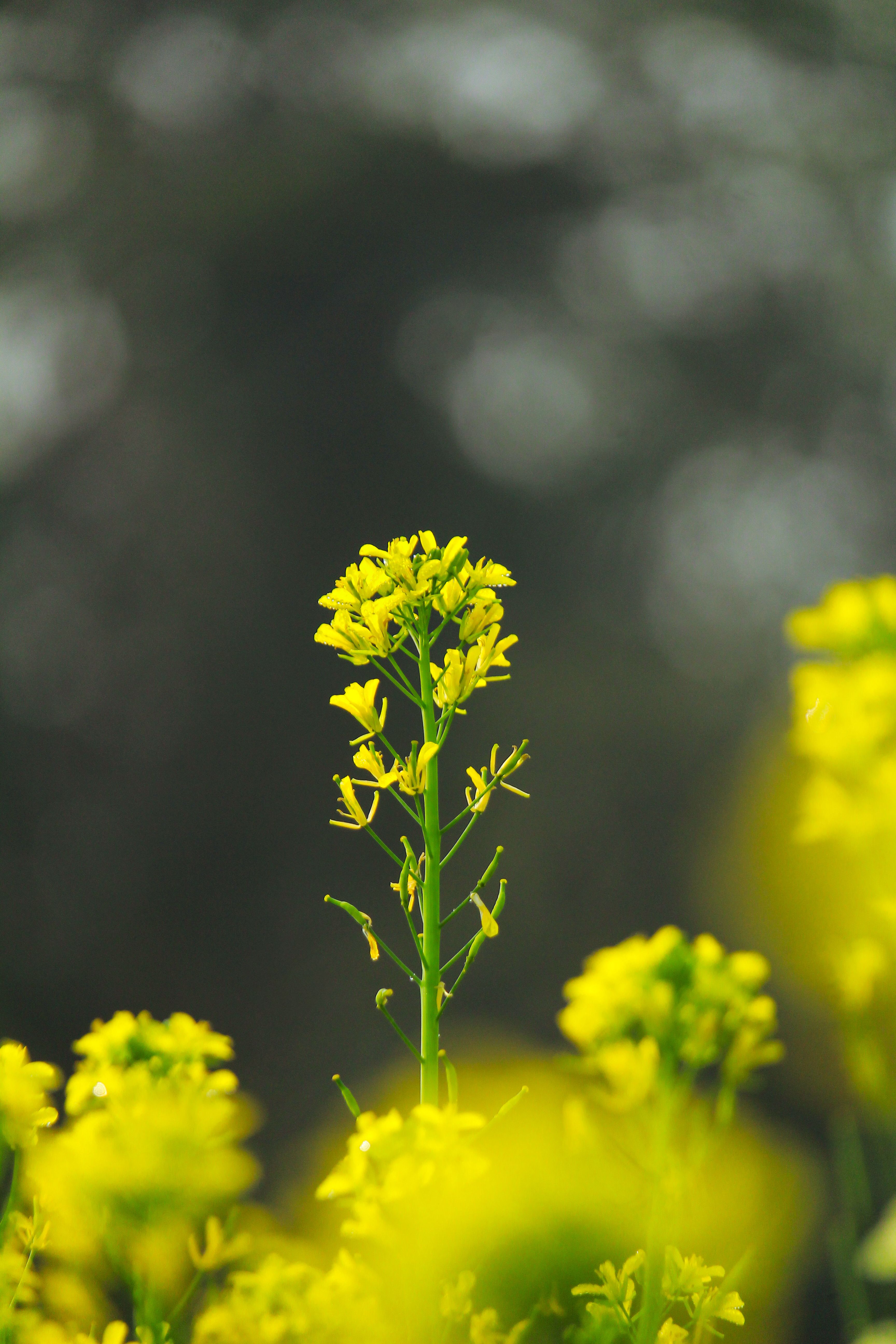
Mustard oil is pressed from the seeds of the mustard plant (Brassica juncea or Brassica nigra) and is a staple fat in Bengali, Bangladeshi, Nepali, and Punjabi cooking. Cold-pressed ('kachi ghani') versions have a sharp, sinus-clearing pungency when raw that mellows into a deep, nutty flavor once heated to near its smoke point, which is why many recipes call for heating the oil until it just starts to smoke before adding other ingredients.
Varieties
Cold-pressed mustard oil is sharper, more pungent, and darker in color than refined mustard oil, which has been deodorized and behaves more like a neutral frying oil. Oil pressed from black or brown mustard seed tends to be more pungent than oil from yellow mustard seed.
Buying tips
In the US, look specifically for bottles labeled 'food grade' or approved for cooking; most supermarket mustard oil is sold as a massage or hair oil and isn't meant for consumption. Cold-pressed, unrefined ('kachi ghani') oil has the sharpest flavor and is preferred for pickling and tempering; refined mustard oil is milder and closer to a neutral cooking oil.
Substitutes
Toasted sesame oil — 1:1
Not the same flavor, but the closest match in pungency and depth for tempering spices or finishing a dal.
Refined canola or rapeseed oil — 1:1
Same plant family as mustard, so it's a genuine botanical relative, but refining strips out almost all the pungency, so use where mustard oil's flavor is a background note rather than the point.
Peanut oil — 1:1
Shares mustard oil's high smoke point, useful for frying pakoras or samosas, though the flavor is milder and nuttier rather than sharp.
Neutral oil with a spoonful of prepared mustard or mustard powder stirred in — to taste
A flavor patch rather than a true swap, good for dressings or marinades where you want the bite of mustard oil but don't have a bottle on hand; it won't hold up to high-heat tempering.
Storage
Keep mustard oil in a dark glass bottle away from direct light and heat; a cool pantry cabinet works, though refrigeration is worth it in hot climates or if you go through it slowly. Once opened, use within about 6 months for the best flavor before the pungency fades and the oil turns flat.
How to use
Used for tempering spices (tadka) at the start of dals and vegetable curries, as a preservative and flavoring agent in Indian and Bangladeshi pickles (achaar), for marinating fish before frying, and drizzled raw over boiled potatoes, rice, or mustard greens in Bengali cooking.
What it pairs with
Works especially well with oily fish like hilsa or mackerel, potatoes, lentils, mustard greens, and the vinegar-forward pickled vegetables common in South Asian cooking.
Nutrition
Mustard oil is high in monounsaturated fat and one of the few common cooking oils with a meaningful amount of omega-3 alpha-linolenic acid. It's also notably high in erucic acid, which is why pure culinary mustard oil is restricted in the United States and most bottles sold there are labeled 'for external use only' unless certified food-grade.
FAQ
Is it legal to cook with mustard oil in the US?
Pure culinary mustard oil isn't approved for sale as a food product by the FDA because of its erucic acid content, so most bottles are labeled for external use only. Food-grade mustard oil does exist and is imported and sold specifically for cooking, but it must carry that certification to be used safely as a food oil.
Why do recipes say to heat mustard oil until it smokes?
Raw mustard oil has a sharp, almost bitter pungency similar to raw horseradish. Heating it to just below its smoke point breaks down some of that sharpness and brings out a rounder, nuttier flavor that's typical of Bengali cooking.
Can mustard oil replace ghee in dal or vegetable dishes?
Yes, it's a common dairy-free swap in many households, though it changes the dish's flavor from rich and buttery to sharp and pungent. Use it in dishes where mustard oil is traditional rather than in sweets or dishes built around ghee's specific flavor.
Have mustard oil on hand? Find recipes with our Recipe Generator →