
Orange Roughy
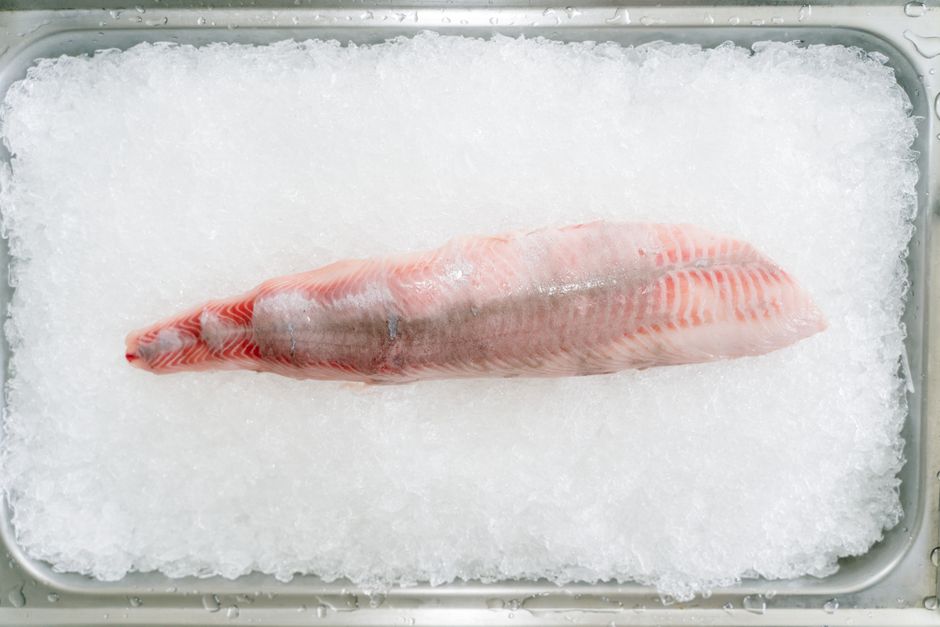
Orange roughy (Hoplostethus atlanticus) is a deep-sea fish caught in cold waters off New Zealand, Australia, and Namibia, prized for its firm, snow-white flesh, mild sweet flavor, and almost complete lack of fishy smell. It's sold almost exclusively as skinless, boneless fillets, usually frozen, since it's caught far offshore at depths of 500 to 1,800 meters. The fish itself can live over 100 years and matures slowly, which has made wild populations vulnerable to overfishing.
Varieties
There's no meaningful culinary variety distinction within orange roughy itself; differences in quality mostly come down to the fishing region and how the fish was handled and frozen at sea, not the species. Orange roughy was originally marketed in the 1970s under the name 'slimehead' before being renamed for commercial appeal.
Buying tips
Because it's a deep-sea species, almost all orange roughy sold in the US and Europe is previously frozen, even if displayed on ice at a fish counter. Look for fillets that are firm, moist, and free of discoloration or a strong ammonia smell. Check for a Marine Stewardship Council (MSC) label or sourcing information, since orange roughy fisheries vary widely in sustainability status by region.
Substitutes
Tilapia — 1:1
Similarly mild and flaky, though slightly less firm; good for baking or pan-frying with the same seasonings.
Cod — 1:1
Slightly flakier texture but a very close flavor match; works well in the same breaded or baked preparations.
Haddock — 1:1
A bit more moisture and a mild sweetness close to orange roughy; holds up well to poaching.
Halibut — 1:1
Firmer and slightly more expensive, but the texture is the closest match for pan-searing or grilling whole fillets.
Red snapper — 1:1
Firmer flesh and a touch more sweetness; works in place of orange roughy in most baked or fried recipes.
Storage
Keep orange roughy frozen at 0°F (-18°C) until ready to use; commercially frozen fillets hold well for up to 6 months. Thaw overnight in the refrigerator, never at room temperature, and cook within a day or two of thawing. Fresh (never-frozen) fillets should be used within a day of purchase.
How to use
Its mild flavor and low fat content make it best suited to preparations that add moisture and seasoning: pan-searing in butter, baking with a crumb or citrus topping, or poaching in broth. The fillets are thin and cook fast, usually 8 to 10 minutes at 400°F (200°C), so they're easy to overcook. Avoid long braises or grilling directly over high heat, since the flesh can fall apart.
What it pairs with
Pairs well with butter, lemon, capers, white wine, and light herb sauces that don't overpower its mild flavor. Serve alongside simple sides like steamed potatoes, rice pilaf, or sautéed greens rather than heavily spiced dishes.
Nutrition
Orange roughy is low in fat and calories and high in protein, but it's also one of the fish species the FDA flags for higher mercury content, similar to swordfish and king mackerel. Pregnant women, nursing mothers, and young children are generally advised to avoid it or limit it to occasional servings.
FAQ
Is orange roughy sustainable to eat?
It depends on the source. Orange roughy grows and reproduces very slowly, and several fisheries collapsed from overfishing in the 1980s and 90s; some regions, particularly parts of New Zealand's fishery, are now MSC-certified as better managed, but many conservation groups still list it as a species to avoid or limit.
Why is orange roughy almost always sold frozen?
It's caught at extreme depths far offshore, so boats freeze it at sea shortly after catch to preserve freshness during the long trip back to port.
Does orange roughy taste fishy?
No, it has one of the mildest flavors of any white fish, closer to a firm, slightly sweet chicken breast than to oilier fish like salmon or mackerel.
How can you tell if orange roughy is overcooked?
The flesh turns from translucent white to opaque and starts flaking apart easily; because fillets are thin, they can go from perfectly done to dry within a minute or two of extra cooking time.
Have orange roughy on hand? Find recipes with our Recipe Generator →