
Peach Tea
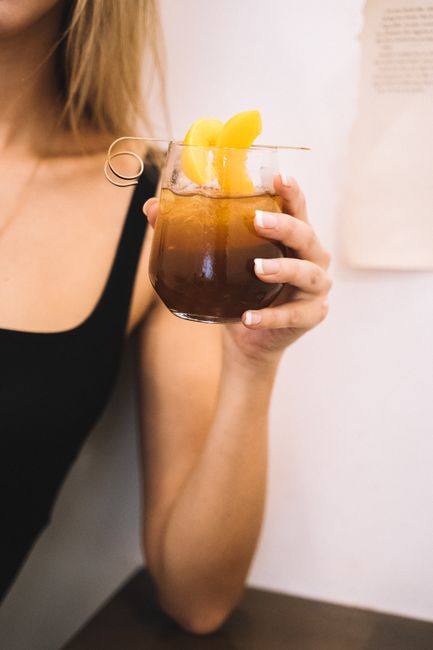
Peach tea is black, green, or herbal tea infused with peach flavor, either from real peach puree or nectar, peach syrup, or natural peach flavoring added during or after brewing. It's sold both as ready-to-drink bottled tea and as loose leaf or bagged tea blends meant to be brewed at home, and shows up in recipes as a marinade base, cocktail mixer, popsicle liquid, and glaze reduction, not just a drink on its own.
Varieties
Southern-style sweet peach tea is made with black tea and a heavy sugar syrup added while the tea is still hot. Herbal peach teas, often rooibos or hibiscus based, are naturally caffeine-free and taste more tart and floral. Bottled versions vary widely: some use real peach juice concentrate, while budget brands rely mostly on sugar and flavoring with little actual peach content.
Buying tips
Read the ingredient list on bottled or bagged peach tea: blends listing dried peach pieces or peach puree near the top taste noticeably more like real fruit than ones relying only on 'natural peach flavor.' For brewing at home, a black tea base gives the fullest flavor and holds up best to ice without going watery.
Substitutes
Brewed black tea mixed with peach nectar — 3 parts brewed tea to 1 part peach nectar, use 1:1 for the total volume called for
The closest homemade match to bottled peach tea; steep the tea strong since the nectar dilutes it.
Unsweetened brewed tea plus peach juice, half and half — 1:1
Lighter and less syrupy than nectar-based versions; good for marinades and reductions where you don't want added sugar dominating.
Peach-flavored kombucha — 1:1
Adds tartness and slight carbonation instead of tea's tannic bite; works well in cocktails but changes the flavor profile noticeably.
White grape-peach juice blend steeped with a plain tea bag — 1:1
A sweeter, less tannic stand-in that works in popsicles and desserts where bitterness from tea isn't wanted.
Fresh peach puree simmered with water and a splash of lemon juice — Use in place of peach tea, adjusting sweetness to taste
No tea flavor at all, so this only works when peach tea is used mainly for its fruit character rather than its tea base, like in glazes or sauces.
Storage
Brewed peach tea keeps in a sealed pitcher in the refrigerator for 3 to 4 days; flavor and color start fading past that. Unopened bottled peach tea is shelf-stable until the printed date, but once opened, refrigerate and use within about a week. Loose leaf or bagged peach tea blends stay fresh longest in an airtight container away from light and heat, up to a year for flavor to hold up.
How to use
Serve hot or over ice as a drink, or use it as the liquid base in fruit popsicles, chicken and pork marinades, glazes for grilled meat, and cocktails mixed with bourbon, vodka, or sparkling wine. It also works simmered down into a light syrup for drizzling over cakes or pound cake.
What it pairs with
Pairs well with fresh mint, ginger, and a squeeze of lemon or lime in iced versions, and with bourbon or light rum in cocktails. As a marinade or glaze, it complements grilled chicken, pork chops, and shrimp, and works in vinaigrettes for summer salads with stone fruit or arugula.
Nutrition
Unsweetened brewed peach tea has almost no calories on its own; the sugar comes from added nectar, syrup, or the sweetener in bottled versions, which can range from 20 to over 30 grams per serving in commercial brands. Checking the label matters more than the tea itself for anyone watching sugar intake.
FAQ
Is peach tea caffeinated?
It depends on the tea base. Black or green tea peach blends contain caffeine, roughly 30 to 50 milligrams per cup depending on steep time, while rooibos or hibiscus-based peach teas are naturally caffeine-free.
Can I make peach tea without tea bags?
Yes. Simmer fresh or frozen peach slices in water for about 10 minutes, strain, and sweeten to taste; the result is a peach infusion rather than true tea, but works the same way in most recipes.
Does peach tea work in a slow cooker as a chicken marinade?
Yes, sweetened peach tea tenderizes chicken well over a low, slow cook because the mild acidity and sugar help the meat brown and glaze; just reduce added salt elsewhere since bottled versions often carry sodium from preservatives.
Why does homemade peach tea turn cloudy?
Cloudiness usually comes from brewing tea too hot for too long, which releases tannins that react with the fruit's natural pectin. Brewing at a slightly lower temperature and straining well keeps it clearer.
Have peach tea on hand? Find recipes with our Recipe Generator →