
Pepperoncini Peppers
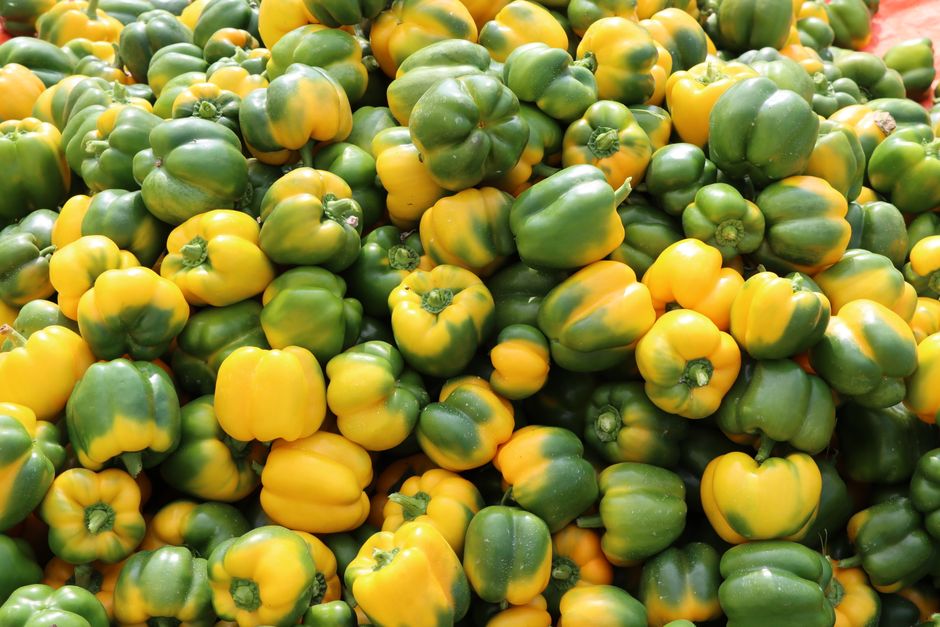
Pepperoncini are a mild, thin-walled chili pepper (Capsicum annuum) usually sold pickled in a tangy brine of vinegar, water, salt, and sometimes a little sugar or oregano. They're pale yellow-green, slightly wrinkled, and taper to a blunt point. Raw, they rate around 100 to 500 Scoville units, milder than a jalapeno, so most of the heat people notice actually comes from the sharp vinegar brine rather than the pepper itself.
Varieties
Golden Greek pepperoncini and Tuscan (Italian) pepperoncini are the two common types sold pickled; Tuscan peppers tend to be slightly longer and a touch spicier. Fresh, unpickled pepperoncini (sometimes called 'friggitelli' or frying peppers) are a different product entirely, used lightly fried or roasted rather than brined.
Buying tips
Check that the peppers are fully submerged in brine with no cloudy or slimy liquid, and look for firm, unblemished skins through the glass. Whole pepperoncini keep their crunch longer than pre-sliced jars, which soften faster once opened.
Substitutes
Banana peppers (pickled) — 1:1
Nearly identical in heat and texture; slightly sweeter and less tangy than pepperoncini, and usually a bit longer and more curved.
Pickled cherry peppers, sliced — 1:1 by volume
Rounder and a bit hotter, so start with less if the recipe needs mild flavor rather than heat.
Pepperoncini brine substitute: white vinegar plus a pinch of oregano — 1:1 for the liquid only
Use only when a recipe calls for the brine itself (like a salad dressing splash), not for the pepper.
Giardiniera (mixed pickled vegetables) — 1:1 by volume, peppers picked out
Works in sandwiches and antipasto salads where you want tang and crunch rather than a specific pepper shape.
Storage
Once opened, keep pepperoncini submerged in their brine in the original jar, tightly sealed, in the refrigerator. They keep for 2 to 3 months this way since the vinegar brine is a strong preservative; unopened jars are shelf-stable in a cool pantry until the printed date.
How to use
Slice into rings for sandwiches (especially Italian subs and Chicago-style beef), chop into pasta salads and Greek salads, stuff whole into olive-style antipasto trays, or blend a few into ranch or Italian dressing for tang. They also hold up well simmered whole in slow-cooker roasts like Mississippi pot roast, where they slowly soften and release flavor into the meat.
What it pairs with
Pairs well with salty cured meats (salami, capicola), sharp provolone, briny olives, and rich mayonnaise-based spreads, since the vinegar cuts through fat. Also good alongside grilled or roasted meats where its acidity balances char.
Nutrition
Very low in calories (about 4 to 5 per pepper) but relatively high in sodium from the brine, typically 200 to 300mg per pepper. They contain small amounts of vitamin C and capsaicin, though not enough to register meaningfully as spicy.
FAQ
Are pepperoncini the same as banana peppers?
No, though they're often confused. Pepperoncini are shorter, more wrinkled, and slightly tangier; banana peppers are longer, smoother-skinned, and a bit sweeter. Both work as substitutes for each other.
How spicy are pepperoncini peppers?
Very mild, around 100 to 500 Scoville heat units, well below a jalapeno's 2,500 to 8,000. Most of the sharpness people taste comes from the vinegar brine, not capsaicin.
Can you use the pepperoncini brine for anything?
Yes. It works well whisked into vinaigrettes, added to deviled egg filling, or poured over a roast in a slow cooker for tang, since it's essentially a seasoned vinegar.
Do pepperoncini need to be refrigerated before opening?
No, an unopened jar is shelf-stable at room temperature. Refrigeration is only necessary after opening to keep the peppers crisp and prevent spoilage.
Have pepperoncini peppers on hand? Find recipes with our Recipe Generator →