
Pisco
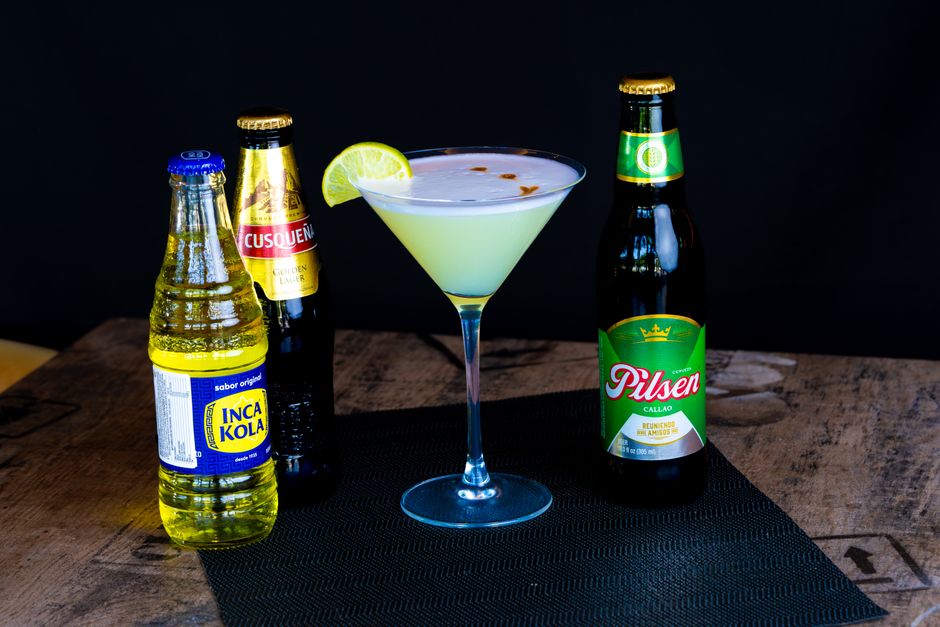
Pisco is a clear grape brandy distilled from freshly fermented grape juice, made primarily in Peru and Chile. Unlike most brandies, it's typically bottled straight after distillation without oak aging, which keeps its flavor bright, floral, and grape-forward rather than woody or caramelized.
Varieties
Peruvian pisco is distilled once, cannot be aged in wood, and cannot have water added, giving it a fuller, more intensely grape-driven flavor. Chilean pisco can be aged briefly in neutral vessels and diluted to proof after distillation, producing a lighter, sometimes smoother spirit. Within Peruvian pisco, Puro is made from a single non-aromatic grape variety like Quebranta, Aromático uses fragrant varieties like Italia or Moscatel, and Acholado blends multiple grape types.
Buying tips
Check the label for the grape variety (Quebranta and Italia are common) and the region, Ica in Peru and the Elqui and Limarí valleys in Chile are well-regarded. Peruvian pisco must be pure, distilled from a single grape variety with nothing added or removed, while Chilean pisco allows blending and slight dilution with water after distillation, so the two styles taste noticeably different even at similar price points.
Substitutes
Unaged grappa — 1:1
Also an unaged grape spirit, so it's the closest flavor match. Choose a mild, floral grappa rather than a harsh or overly funky one.
White (unaged) grape brandy — 1:1
Similar production method to pisco, giving a comparable fruity, slightly floral base for cocktails.
Silver tequila — 1:1
Not grape-based, so the flavor shifts toward agave and pepper, but the clear color and dry finish work in citrus-forward cocktails like a pisco sour.
Vodka — 1:1
Neutral and lacks pisco's grape character entirely, but it won't clash with other cocktail ingredients if pisco is unavailable.
Storage
Store an opened bottle upright at room temperature, away from direct sunlight and heat. As a distilled spirit around 40% ABV, it doesn't spoil or need refrigeration, and it keeps its flavor for years once opened, though very slow oxidation can dull its aromatics after a couple of years.
How to use
Pisco is the base spirit for the pisco sour (with lime juice, simple syrup, egg white, and bitters) and the chilcano (with ginger ale and lime). It also appears in ceviche marinades in small amounts and can be sipped neat or on the rocks to showcase the grape variety it was distilled from.
What it pairs with
Pairs well with fresh lime and lemon juice, ginger, and egg white in cocktails, and with ceviche, grilled seafood, and salty snacks like corn nuts when served neat as an aperitif.
Nutrition
Like other distilled spirits, pisco contains no sugar, fat, or carbohydrates from the distillation itself; calories come entirely from alcohol, roughly 64 calories per 1-ounce (30 ml) pour at 40% ABV.
FAQ
Is pisco a type of tequila or rum?
No, pisco is a brandy, distilled from grapes rather than agave (tequila) or sugarcane (rum), which gives it a fruitier, less vegetal profile than either.
Can I substitute white wine for pisco?
Not really. Wine is fermented but not distilled, so it's far lower in alcohol and won't deliver the same body or kick in a cocktail like a pisco sour.
Why does a pisco sour have foam on top?
The foam comes from vigorously shaking raw egg white with the other ingredients; it adds a silky texture and helps carry the aroma of the bitters garnished on top.
Is Peruvian or Chilean pisco better for cocktails?
Peruvian pisco's bolder, more concentrated grape flavor tends to hold up better in a classic pisco sour, while the lighter, smoother style of Chilean pisco is often preferred for simple mixed drinks like a chilcano.
Have pisco on hand? Find recipes with our Recipe Generator →